Skip to content

4.30 percent of this year’s budget lost in the Genji movement: How much is the largest share at the federal, state and local levels? 

nabil bank

. A report on damage assessment of public property, physical infrastructures and private establishments and reconstruction plan of public infrastructures-2082 has been made public.

The ‘Committee for Assessment of Damage to Public Property, Physical Infrastructures and Private Institutions and Reconstruction of Public Infrastructures’ formed under the coordination of the Secretary of the National Planning Commission (NPC) had submitted its report to the government on December 2 TAG_OPEN_div_58 4. The commission has made public the full report of the study.

} The report has suggested the government to reconstruct the public property by assessing the human loss and physical damage caused to the public, private and community structures during the agitation.

A total of TAG_OPEN_div_54 77 people were killed during the protests. Of them, 73 were male and four female. Among the dead, 39 were between 12 and 24 years of age. The total number of injured was 2,429, of which 1,433 were aged between 13 and 28, the report said.

The total cost of physical damage caused during the agitation is Rs 84.TAG_OPEN_div_52 45 billion. This is equivalent to 1.38 percent of the country’s GDP and 4.30 percent of the budget for the current fiscal year.

According to the report, 53 per cent of the total loss was in the government and public sector, 40 per cent in private sector and seven per cent in community and other sectors.TAG_OPEN_div_50

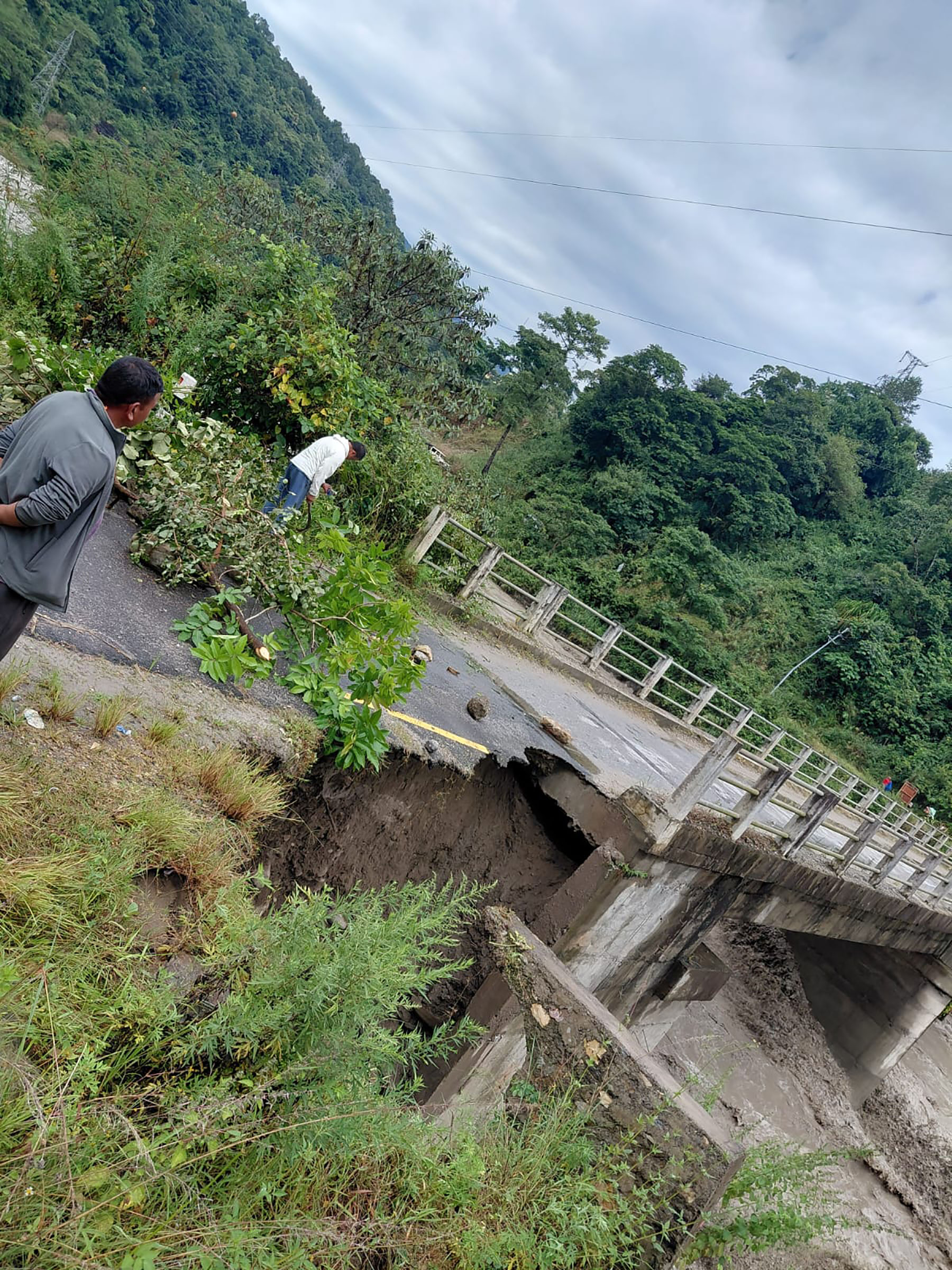
Bagmati Province has been the most affected during the protests.TAG_OPEN_div_48 A total of 2,671 buildings have been damaged in the province, of which 79.8 per cent are public buildings. According to the report, Rs 39.31 billion was damaged to buildings, Rs 12.93 billion to vehicles, Rs 20.36 billion to other physical properties, Rs 2.81 billion to cash and valuables and the remaining Rs 9.02 billion to temporary and private properties.

A total of TAG_OPEN_div_46 Rs 44.93 billion has been damaged in the public sector during the agitation. The government of Nepal has suffered 66 per cent, the provincial government 10 per cent, the local levels 21.8 per cent and the public enterprises 2.2 per cent.

Of the total damages, 44 TAG_OPEN_div_44.7 per cent were damaged in buildings, 2.6 per cent on vehicles, 23.2 per cent on other physical properties and 29.5 per cent on other temporary and private properties.

Bagmati Province has the highest loss of 66 TAG_OPEN_div_42.00 per cent of the total physical damages. The Bagmati Province accounts for 74 per cent of the total damage to buildings and 58 per cent of the total damage to vehicles.

The private sector has suffered a total loss of Rs 33.54 billion. The report incorporates the losses to private enterprises and households, of which 27.49 billion and households have suffered losses amounting to Rs 6.05 billion (18.1 per cent).

Loss of Rs 5.97 billion has been caused in community and other areas. This includes damage to structures and property of political party offices and community organisations. Of the total physical damages, seven per cent has been damaged in community and other areas.

According to the report, the production of goods and services has suffered a loss of Rs 13.TAG_OPEN_div_36 87 billion due to the situation arising during the agitation. On the employment side, 2,999 people have been directly affected, of which 2,353 have lost their jobs.

According to the ‘Reconstruction Action Plan’ presented by the committee, a total of Rs TAG_OPEN_div_34 36.30 billion will be spent for the reconstruction and repair of damaged buildings, purchase and repair of vehicles and other physical materials. Out of this, Rs 19.98 billion will be spent for the reconstruction of buildings, Rs 6.16 billion for vehicle reconstruction and Rs 10.14 billion for other physical infrastructures.

} The report has made a detailed assessment of the damage and has presented suggestions for setting priorities, budget management and policy formulation for the reconstruction. It states that an action plan has been prepared for the repair and rehabilitation of damaged buildings, vehicles and other properties giving priority to the reconstruction of public property.

The provision of financial incentives and relief would be appropriate to support the rehabilitation of the private and community sectors. The report also suggested that relief and reconstruction programmes should be conducted through coordination and cooperation among the three tiers of government mechanisms.

Prabhu
sikhar insurance

प्रतिक्रिया दिनुहोस्

global ime
ime
citizen life
Gili