

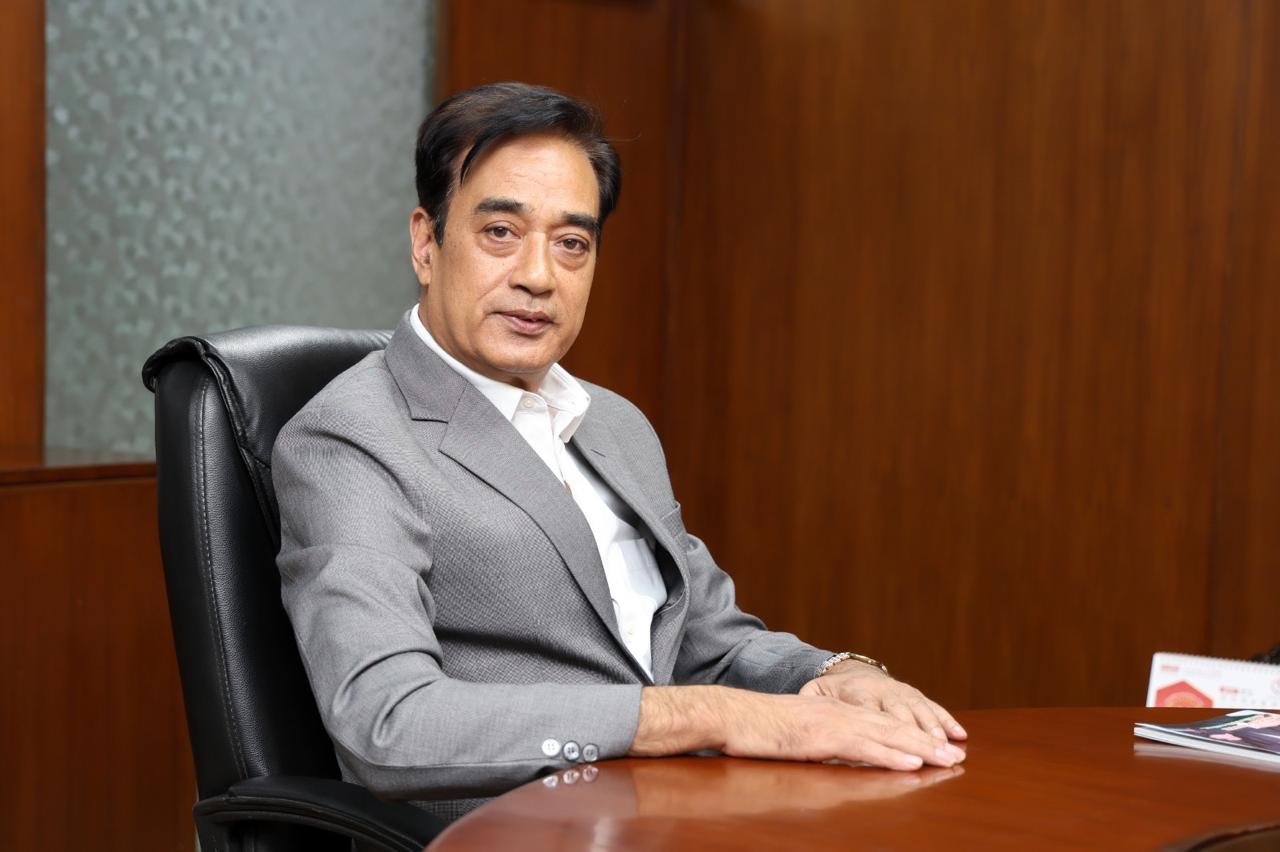
Kathmandu. Former President of Nepal Chamber of Commerce, Rajendra Malla, has said that the political parties should bring the manifesto only by incorporating programmes that can be implemented and possible as per the capacity of the country. Nafiz said this in his manifesto at the ‘Economic Agenda’ program.
“There is a lot of work to be done in our country, so we should move ahead with short and practical goals. I believe that party leaders should prepare manifestos keeping in mind the real need. We need to come up with a program that is as feasible as it is to look at the valley and swallow it. The manifesto should not look good on paper, but should be able to benefit the people at the grassroots level. If there is a people-friendly manifesto, the country will definitely move forward. ‘
Stating that negative political agenda comes in the party level competition, he urged all parties to stand together and forge a common view on the economic agenda. “At present, the economic situation of our country has gone in some negative direction. The current expenditure has reached about 80 percent while the development expenditure is limited to only 20 percent. Due to the high daily administrative expenses, investment in the production-oriented sector has decreased. Therefore, the manifesto should have a clear plan to reduce unnecessary recurrent expenditure and increase productive activities. ‘
According to him, another important issue is youth power. Stating that a large number of youths are going abroad, he said a part-time job arrangement should be brought to include the youths in the national production and this should be included in the manifesto. He said, “The situation of youths of 20-25 years of age going abroad without getting opportunities should be stopped. In developed countries, work opportunities are available from early morning, that is the policy of connecting the youth power to production. A similar environment should be created in our country as well. ‘
According to him, the agriculture sector has not been prioritized yet. Even though we are an agricultural country, food imports are increasing, which is a very negative sign. He said, “If agricultural production increases, there will be a direct improvement in GDP. A large amount of arable land is now barren. To stop this, a policy should be brought in collaboration with the local government and ward level to not keep barren land. The production system should be according to the soil in the area. He stressed that the issue of not keeping the land barren should be included in the manifesto as a national plan.
According to him, there is a huge potential in the information technology (IT) sector. He pointed out that India is earning billions of dollars while we are limited to a few billion rupees. He said, “IT education should be taken not only to the cities but also to the remote areas of the villages. “The model of earning as much as possible should be taken forward so that the youth can get the opportunity to study and work. ‘
“Forests and medicinal herbs have not been utilized properly,” he said, pointing out the fact that Nepal has been importing it from Malaysia and other countries despite having adequate resources. “Medicinal herbs should be developed commercially and export-oriented,” he said. There is also a need for serious discussion on regulating, processing and promoting some crops, including cannabis, as there is a huge international demand for it. ‘
He said that the main reason for increasing despair in the country is the weakening of government service delivery. According to him, the tendency of delaying and delaying works has increased dissatisfaction among the people. He said, “The next government should mandatorily implement a time-limit-based action plan. There should be an accountable system for which work was delayed and why. According to him, the country has lagged behind in lack of timely service and development is not possible without improving it.












प्रतिक्रिया दिनुहोस्