

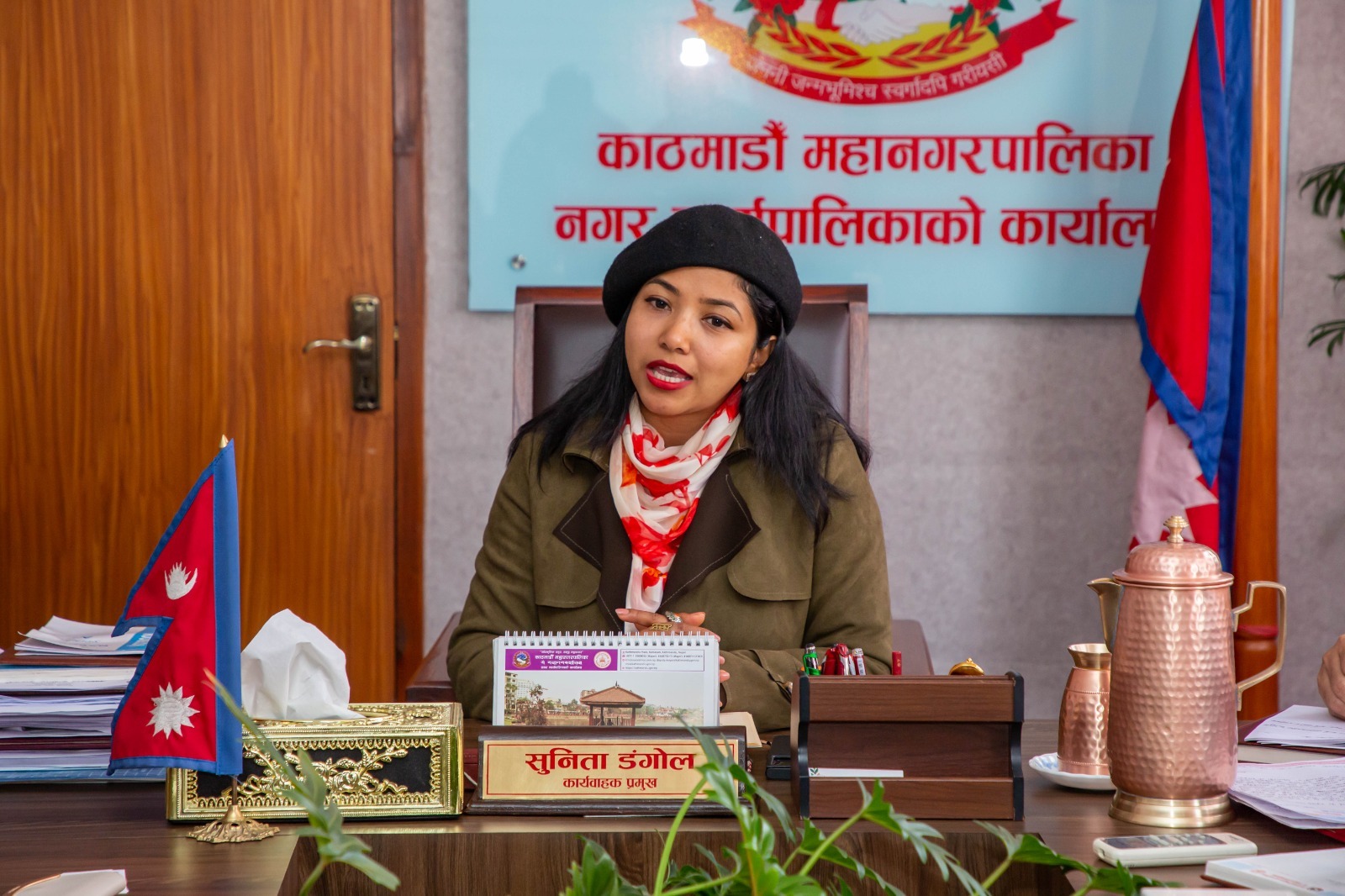
Kathmandu. “We have taken the goal of reforming the public transport sector by choosing the use of public transport instead of private cars. We know that it will not be easy to reach this goal. However, we should not achieve this goal. ’
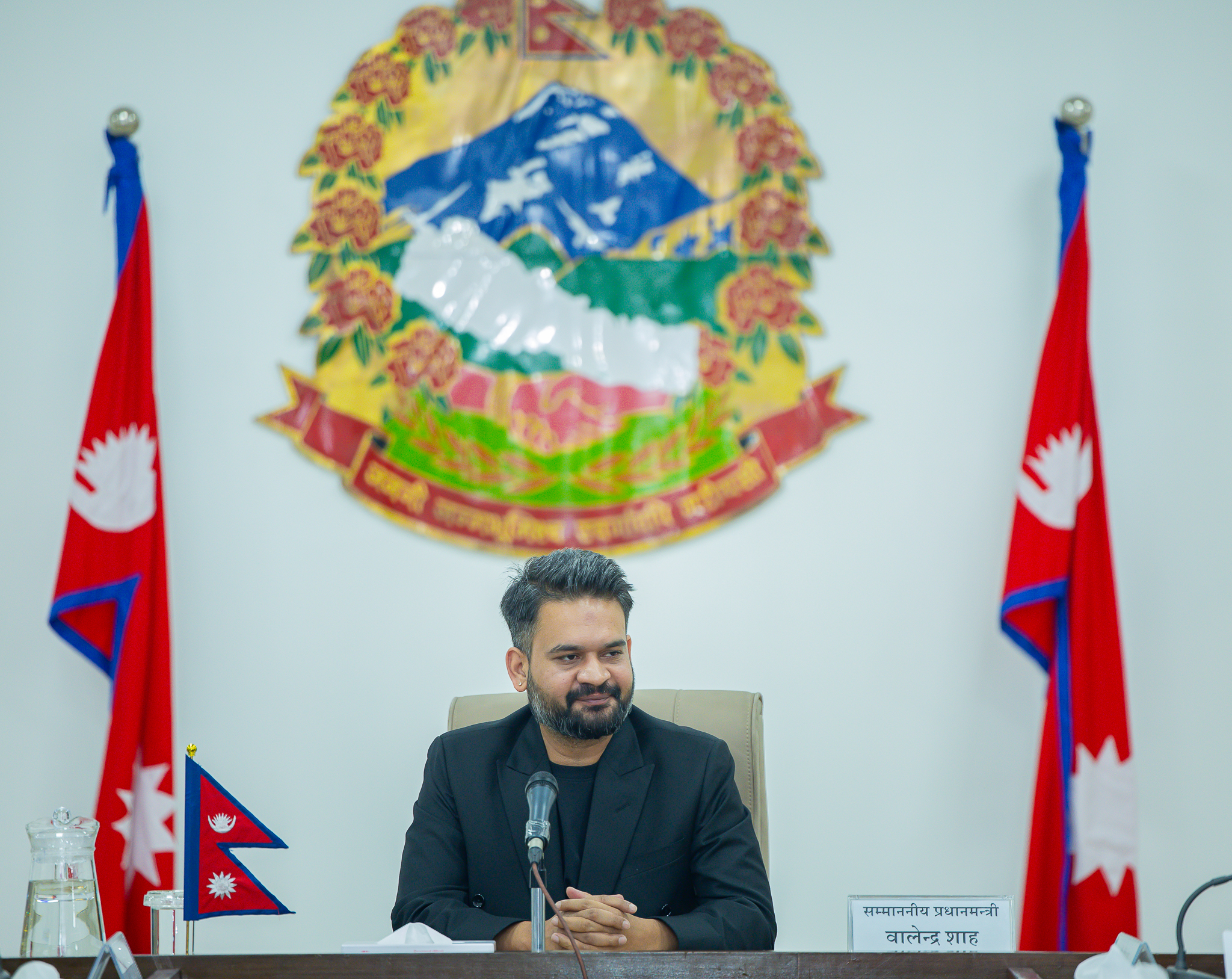
Acting Mayor of Kathmandu Metropolitan City, Sunita Dangol, said, “When we return home after work, we don’t get a vehicle. In such a situation, girls and women have to face extreme harassment. We need to improve on this immediately. ’
She said the metropolis was open to hold discussions with experts and groups who come to the office with proposals for the improvement of Kathmandu’s public transportation system from the planning stage to develop a modern, integrated, easy, safe and reliable system.
Speaking to World Bank representatives on Sunday, she said, “We need a public transport system that suits local conditions and needs. We work on the basis of the facts given by the study of our context. ’
Today, Chief Executive Officer of the Federal Capital Urban Area Public Transport Council, Kuber Nepali, and Acting Mayor of the Council held a discussion on the work done by the Council, the plans made and the works to be done now. During the meeting, discussions were held on GIS service in public transport system, smart traffic monitoring system, integrated application, collection of facts and data, status of routes, among other topics.
Earlier, discussions were held with officials of Sajha Yatayat about the possibility of connecting one hospital to another and operating night electric bus from Kalanki to Kalimati, Tripureshwor, Thapathali, Maitighar Mandala, Baneshwor, Minbhawan, Tinkune and International Airport.
Chief Administrative Officer Saroj Guragain, traffic expert Jagat Man Shrestha and other officials gave feedback during the discussions.
The metropolis has given importance to the plan to operate and manage environment-friendly and passenger-friendly public transport by improving the infrastructure. Developing a cashless integrated transport system based on information technology, developing a real-time information system and implementing the developed systems, constructing and operating public toilets at bus stops, pedestrians, people with disabilities, cyclist-friendly roads are the challenges to be faced from the angle of public transport management.
Collecting, recording, updating and qualitative use of public transport related information, increasing the availability of transport services in residential areas, business centers and shopping malls, fixing service charges, determining routes, one-way, double operation on the designated routes, and completely or partially prohibiting the designated vehicles should be done.
These should be done at the level of government, private partners and communities










प्रतिक्रिया दिनुहोस्