

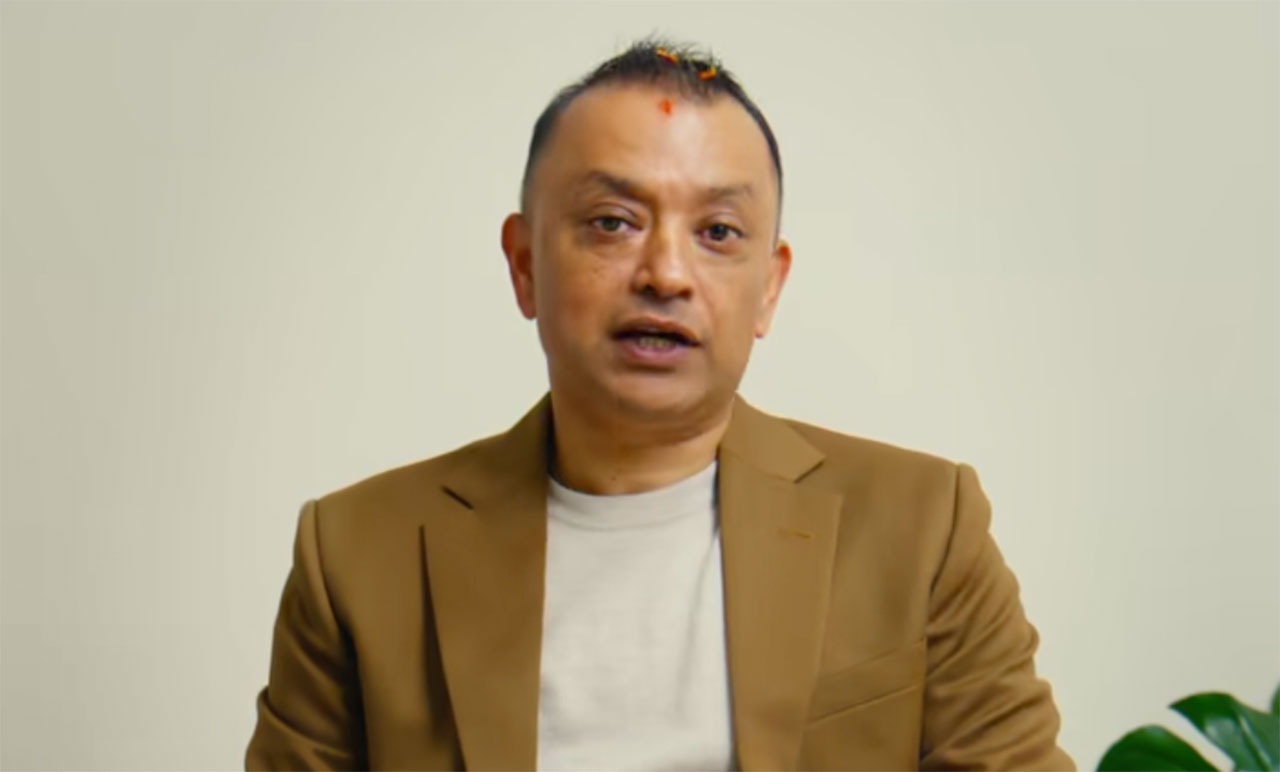
Kathmandu. Nepali Congress (NC) President Gagan Kumar Thapa has blamed systemic problems for the slow pace of infrastructure development in Nepal.
Stating that development is not possible through the ‘magic tuna’ style of giving directives, intimidating contractors or abusing employees, he claimed that he has a clear blueprint to transform the infrastructure sector in the next 5 years.
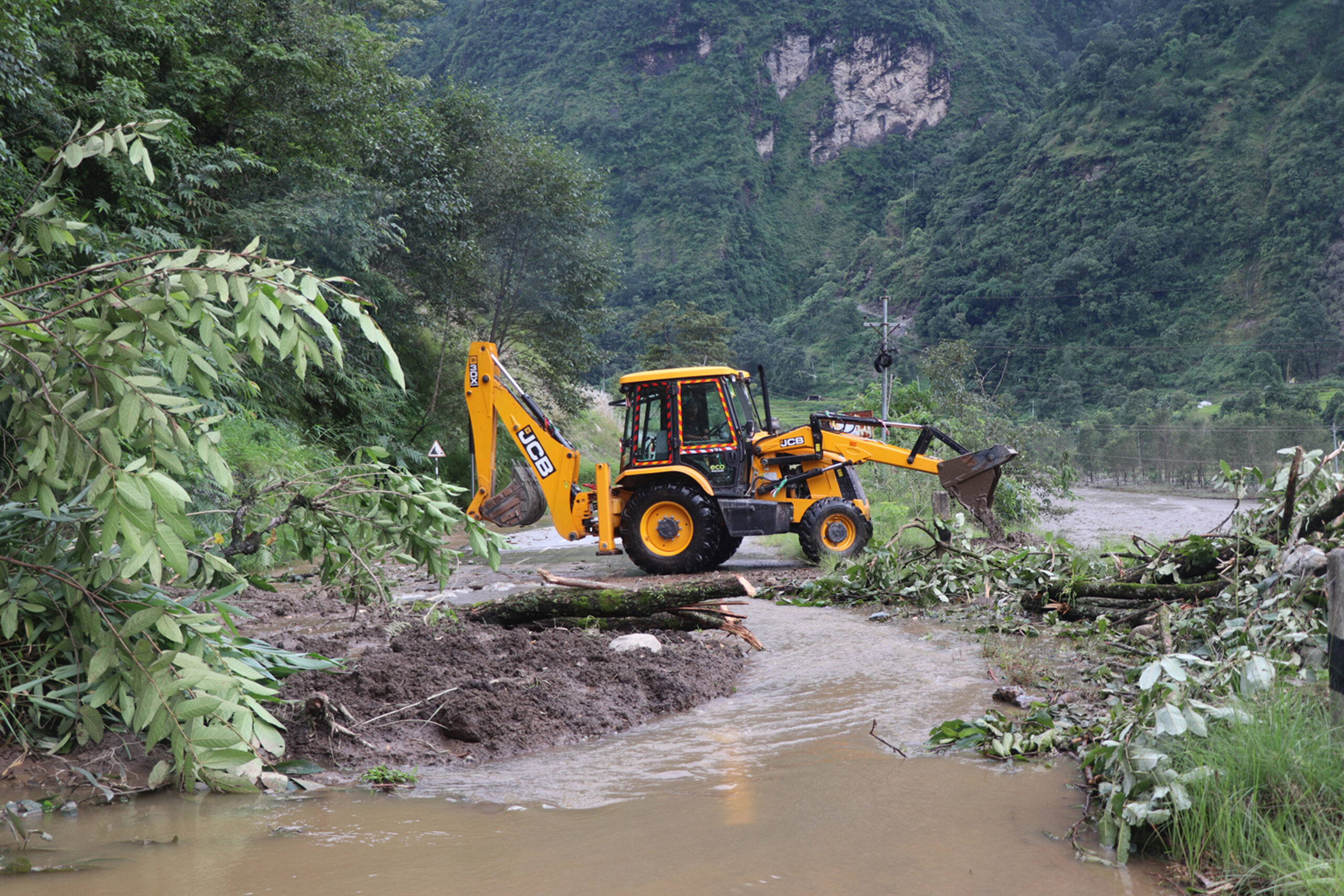
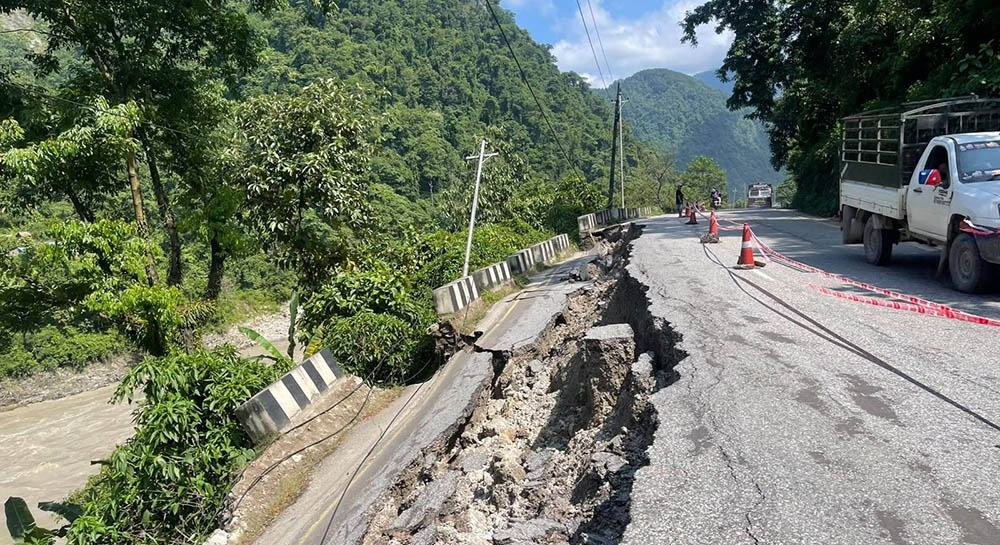
Issuing a video message on social media, Thapa highlighted the plight of national pride projects like the Narayangadh-Butwal road section, East-West Highway and Melamchi Water Supply Project and concluded that the traditional style of development would no longer work. Thapa termed the situation of big projects in the country in limbo for years and frequent digging and burial works due to lack of coordination in the city’s roads.
According to him, the tendency of digging with drinking water immediately after the construction of the road and then digging again for drainage and fiber has only increased the cost. He said he had closely observed the problems seen in the construction of the infrastructures in the parliament, parliamentary committees and the ministry since long.
“We may get applause from time to time by intimidating the contractor or by going to the project site and giving instructions, but the problem will not be solved,” Thapa said, “We should not only work on the symptoms, we should treat them by reaching the roots.” ’
No law, three dozen reverts
According to Thapa, the main reason for the delay in infrastructure construction is the old legal framework. The 48-year-old Road Act and 20-year-old Public Procurement Act would not address the present needs, he said.
He said that his study shows that about 3 dozen laws need to be amended, amended or repealed to complete the infrastructure on time. He argues that no matter how much noise is made outside the law, there will be no results.
Stating that irregularities start from the selection of plans, Thapa stressed the need of putting to an end the tendency of formulating plans based on political access and pressure. He said that cost benefit analysis should be made mandatory while selecting the project and he was preparing to make provisions in the law so that no one can exercise the right of decision.
‘The value of time’ should be understood
Stating that prioritizing only ‘low bidding’ in the public procurement process has lost both quality and time, Thapa proposed to give priority to the ‘time value of money’. He said that legal provisions should be made to give priority to those who can work quickly based on the practices of other countries including India.
Thapa stressed on the need of making transparency and social audit mandatory to maintain good governance in the infrastructure sector. He argues that the regulatory body should be strengthened but should not be intervened in such a way that it cannot work.
He also stressed the need to put an end to the practice of announcing big projects but not ensuring resources. He pointed out that investment in infrastructure could be mobilized through the use of new financial instruments such as monetisation of public assets and hybrid annuity model (HAM).
Commitment to conversion in 5 years
}
Stating that the problem could not be resolved in the past by the minister just saying that he would break the contract with a whip in his hand or abuse someone, Thapa claimed that results would come only from institutional capacity and legal reforms.
He said, “If we think that the problem can be solved in a miraculous way like magic, then the next 5 years will be wasted.” I want to assure you that I will bring transformational changes in the infrastructure sector within the next 5 years. ’
Pledging to complete the projects that take ten to twelve years within a year or two and establish a system of quality works, Thapa said the NC would play a leading role to end the problems and harassment of the citizens













प्रतिक्रिया दिनुहोस्