

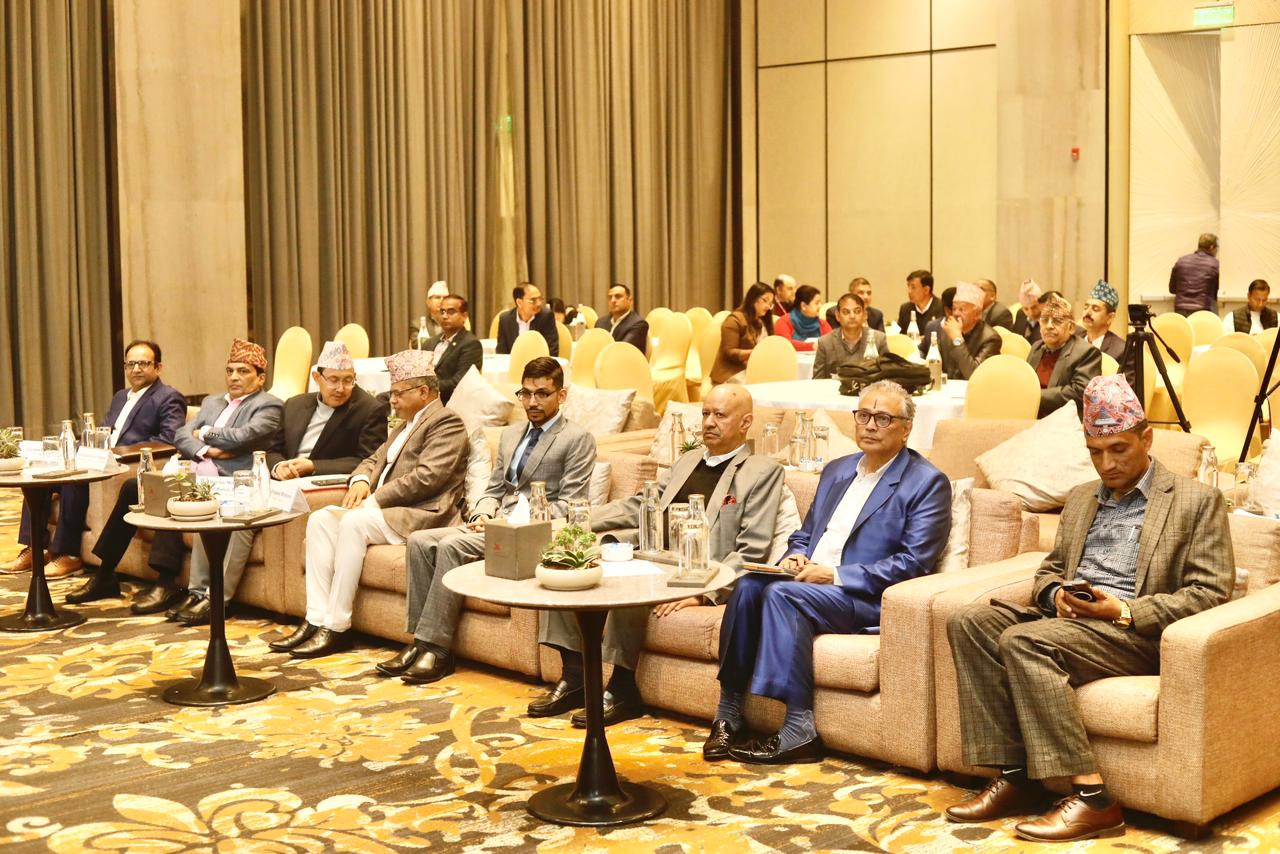
Kathmandu. Nepal is preparing to implement the policy of blending 10 percent ethanol in petrol. At a programme entitled ‘Ethanol Blending Policy in Nepal: Opportunities, Challenges and Implementation Strategy’ organized by Society of Economic Journalists Nepal (SEJON) here today, the representatives of the government and private sector stressed the need of implementing ethanol blending policy at the earliest.
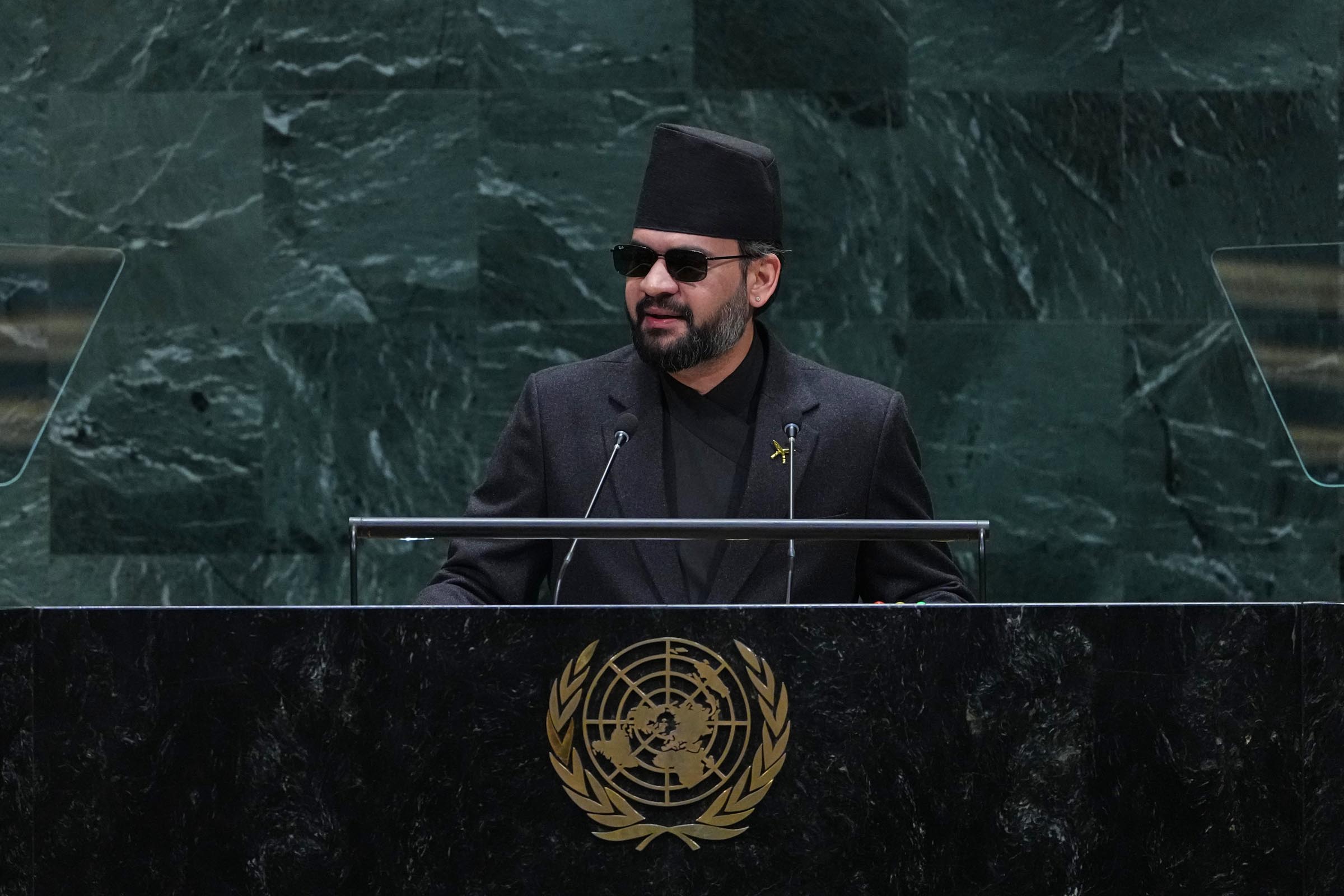
On the occasion, Minister for Industry, Commerce and Supplies Anil Kumar Sinha said the decision to blend ethanol in petrol has come into implementation after long study and discussion. Stating that the study on ethanol blending has been going on for two decades, he said, “Study and discussion on this subject has been going on for about 20 years. So far, all the studies have been done and the Order-2082 to blend ethanol in petrol has been approved. The policy would be published in the Nepal Gazette soon and come into effect. ”
Stating that blending ethanol in petrol was an important step towards achieving clean energy, Minister Sinha claimed that 10 percent ethanol blending could reduce the import of petroleum products from Nepal annually. This will help reduce the trade deficit, he said.
Minister Sinha expressed the belief that the production of ethanol would increase agricultural production like sugarcane, expand the utilization of agricultural land and make the domestic economy dynamic. He however admitted that there were challenges in establishment of new industries, industrial environment, security, employment and raw materials production, among others. “There are opportunities as well as challenges. There is also a risk that the increase in cash-centric agriculture could affect food security,” he said.
Stating that there was possibility of foreign investment coming to this sector, Minister Sinha stressed that although competition is necessary, unhealthy competition should not be maintained. He said that the price of ethanol should be lower than petrol to make ethanol competitive.
Secretary at the Office of the Prime Minister and Council of Ministers, Govinda Bahadur Karki, said that several commissions and recommendation committees were formed in the past for ethanol blending.
Stating that the positive and negative aspects of all petroleum products should be analysed, Secretary Karki said that ethanol blending in petrol is in the interest of the country. He expressed the belief that the government to be formed after the election of the House of Representatives would also give continuity to this policy.
Similarly, Executive Director of Nepal Oil Corporation Chandika Prasad Bhatta said that the government would not step back from implementing the decision. He said, “The programme which was prepared for 20 years is now being implemented. This program will not be allowed to fail. ”
According to Bhatta, it may take one to one and a half years for the program to be fully implemented. He said that preparations are being made for the quality standard of ethanol. “Mere order for mixing is not enough, it is necessary to set quality standards,” he said.
Joint-Secretary at the Ministry of Industry, Shivaram Pokharel, informed that the Council of Ministers had last December decided to blend 10 per cent ethanol in petrol. However, he said the order paved the way for production.
He said that the government would soon recommend minimum price of ethanol, determine the quality and initiate the process of calling tender for production. According to him, the company would be selected on the basis of production capacity after the ethanol blending order is published in the Nepal Gazette. “It will take time to implement the issue as it is a new issue, but we have moved ahead after studying the practice of various countries,” he said.
Representatives of the private sector, however, said that although raw materials are sufficient for ethanol production, a conducive environment is necessary to set up industries. Chairman of Kian Chemical Industries Limited, Ved Prasad Kharel said that the investors have been facing administrative hassles and stressed the need for strengthening the government mechanism.
President of Nepal Sugar Producers Association Shashi Kanta Agrawal said that around 240,000 metric tonnes of sugar is consumed annually in the country and only 200,000 metric tonnes is produced in the country. Stating that there was a possibility of becoming self-reliant within two years, he said that although the decision of ethanol blending was made, the work procedure and implementation plan are not clear.
Consumer rights activist Madhav Timilsina stressed on the need of clarity on price, quality and market regulation while implementing ethanol blending programme. “We need to evaluate what we need and whether the existing mechanisms are capable of handling it,” he said.
He was of the view that the goal of import substitution would not be achieved if the ethanol price fluctuation, regulation and monitoring was necessary. “The price, quality and measurement of ethanol should be clarified,” he said.











प्रतिक्रिया दिनुहोस्