

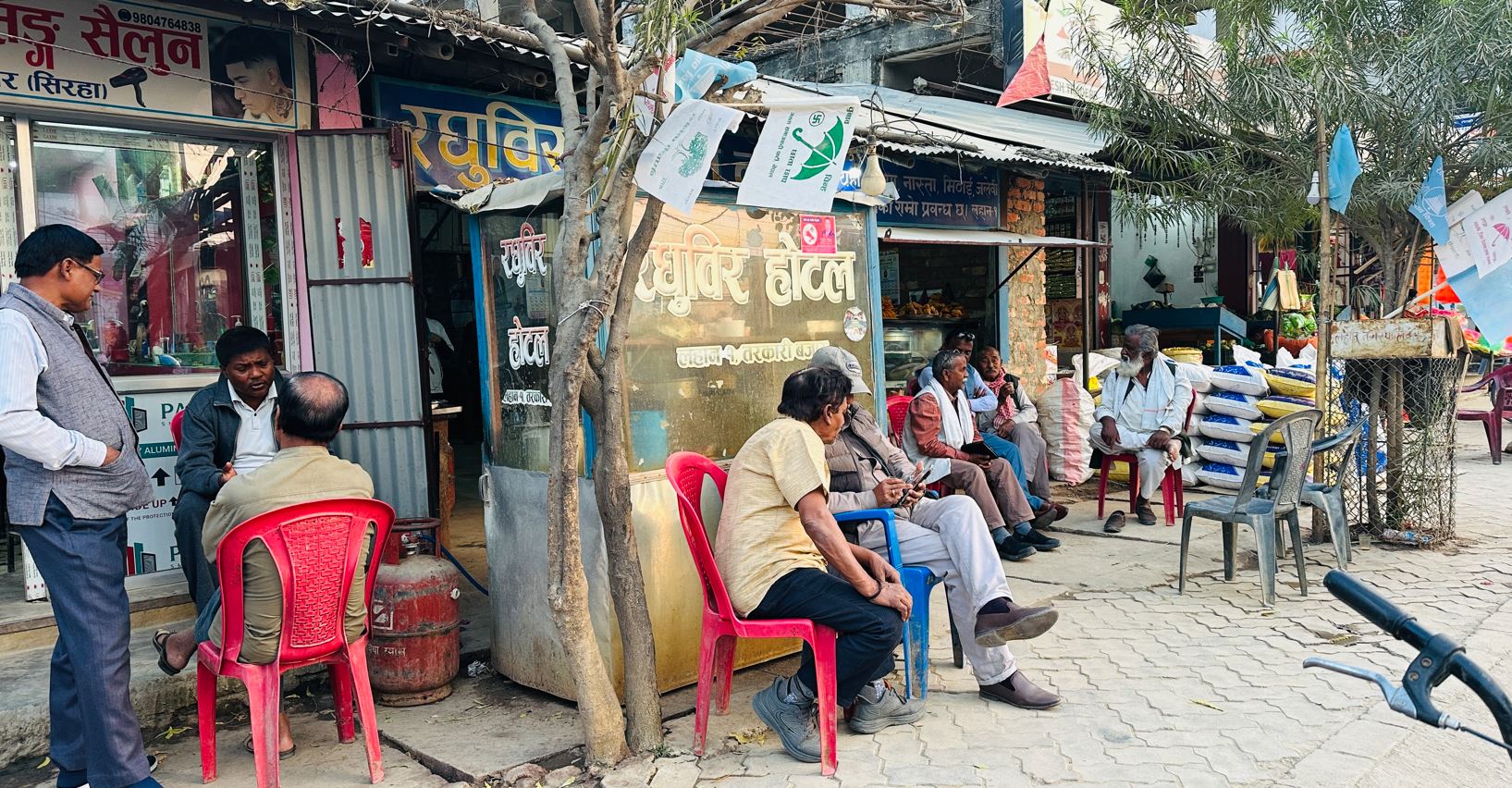
Head. As the upcoming House of Representatives election is approaching, the election fervor has increased in the villages of Siraha, but this time’s door-to-door campaign is not as easy for the candidates as in the past.
The voters, who used to hear the bundles of assurances and clap in the past, are now waiting for a candidate as an auditor.
The leaders of the old parties are finding it difficult to show the ‘report card’ of the past, while the new ones are struggling to present the basis that it is not the same as the old one. The voters here have now made four main issues their bargaining points: the pending condition of the Kamala Bridge, the land ownership certificates of the landless, the fertilizer of the farmers and the concrete roads in the villages.
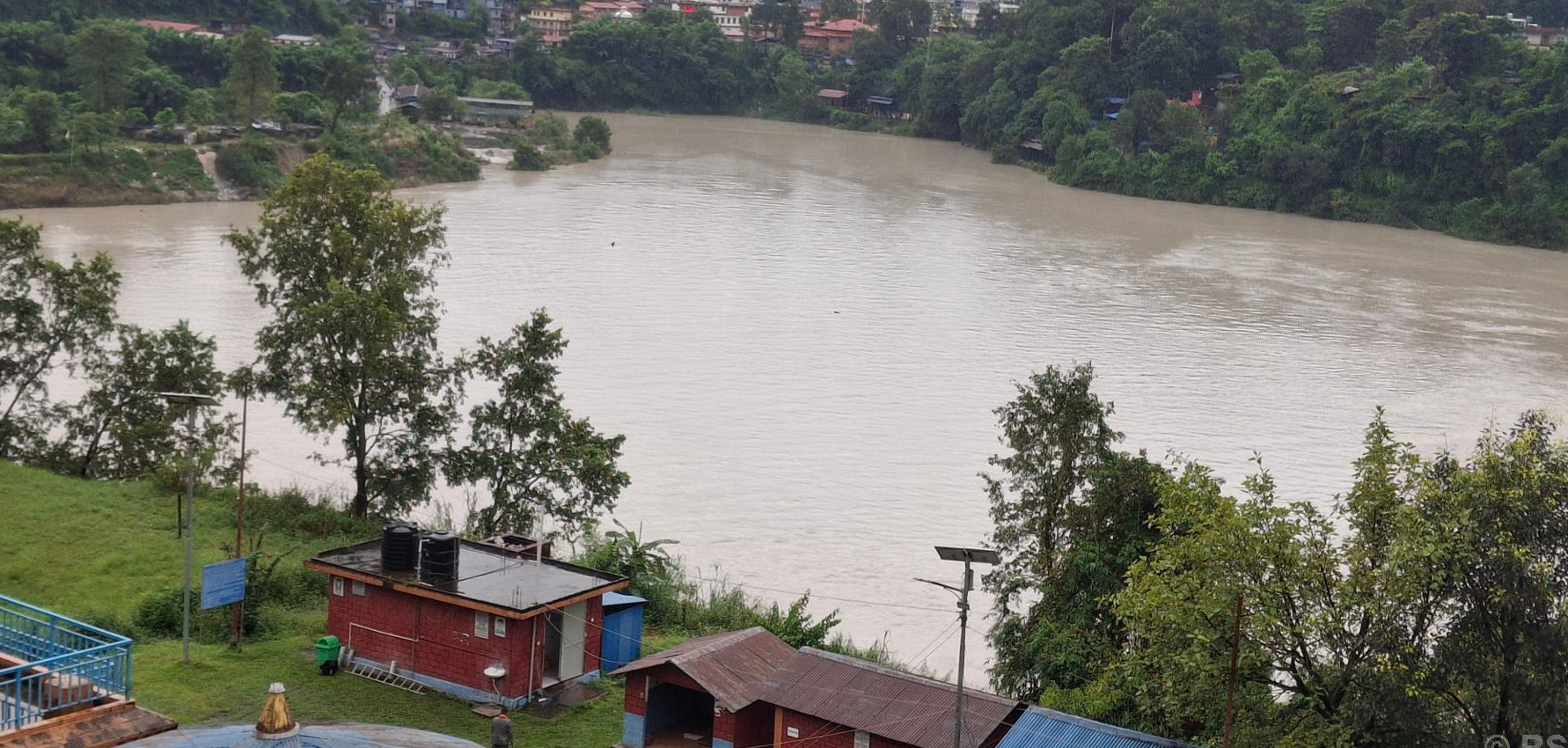
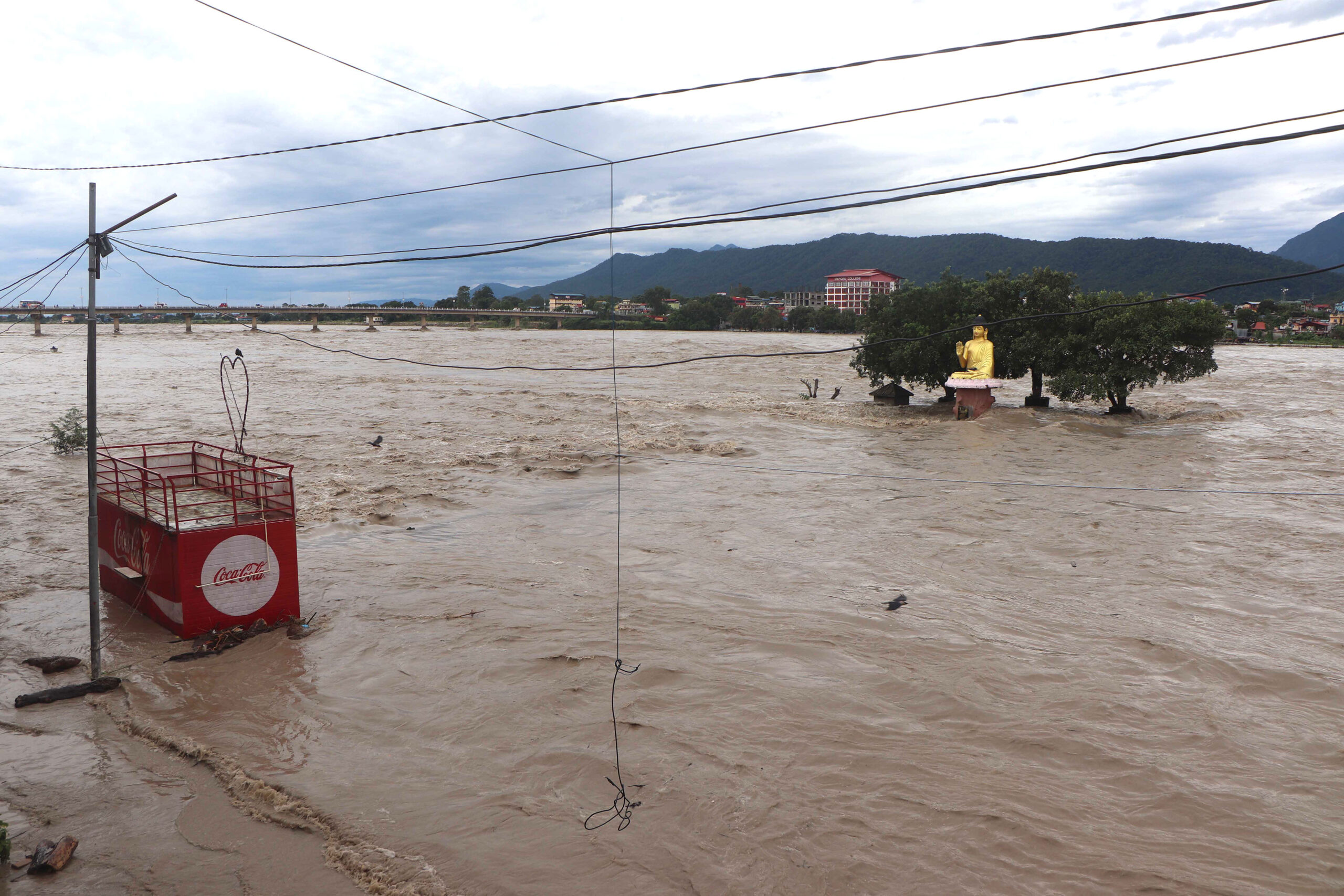
Locals are angry that the bridge over the Kamala River that connects Siraha and Dhanusha along the Postal Highway has not been completed even after 14 years. Praveen Yadav, a local youth of Basbitta of Siraha Municipality-6, said, “In every election, leaders sell the issue of this bridge to get votes. The bridge collapsed before it was built, but no action was taken. Now we don’t want to lay the foundation stone of the bridge, we want to see vehicles running on it. Whoever gives a solid schedule gets the vote. ”
The candidates who reach the Musahar and Dalit settlements in Bhagwanpur, Lahan, Dhangadhimai, Golbazar and Nawarajpur areas are surrounded by questions about land ownership certificates. Ram Sufal Saday, a leader of the Musahar community, says, “Our generations lived on this soil, but we do not have a single dhur land ownership certificate in our name.” Every time, they fill up the form saying that they will distribute land certificates, but no one knows where they disappear after the election. This time we are looking for rights, not papers. ”
Political analyst and Dalit activist Rajesh Vidrohi describes this election atmosphere as a “revolt of the marginalized”. According to him, the Dalits, landless and marginalized communities of Siraha are no longer ready to remain just voting machines. “For decades, politics was done in the name of Dalits and landless, but their standard of living remains the same,” he said. The tradition of garnering votes by assuring land ownership certificates but forgetting them after coming to power is taking a big hit this time. Voters are no longer assessing the candidates’ faces, but their honesty and past working style. This is not just a protest against any one party, but a warning from citizens against political fraud that has been going on for years. According to him, this political awakening among the Musahar and other Dalit communities can break the traditional balance of power.
Not getting chemical fertilizers during farming season in the Terai, which is considered a storehouse of grains, is a permanent pain for the farmers here. Ram Briksha Yadav, a farmer of Sukhipur, expressed his ire, “We don’t get fertilizer during the sowing season and we don’t get proper price for the paddy market. Leaders make big speeches, but they can’t manage a mall depot. Now we need a commitment to provide water in our fields and fertilizer in sacks, not the faces of the candidates. ”
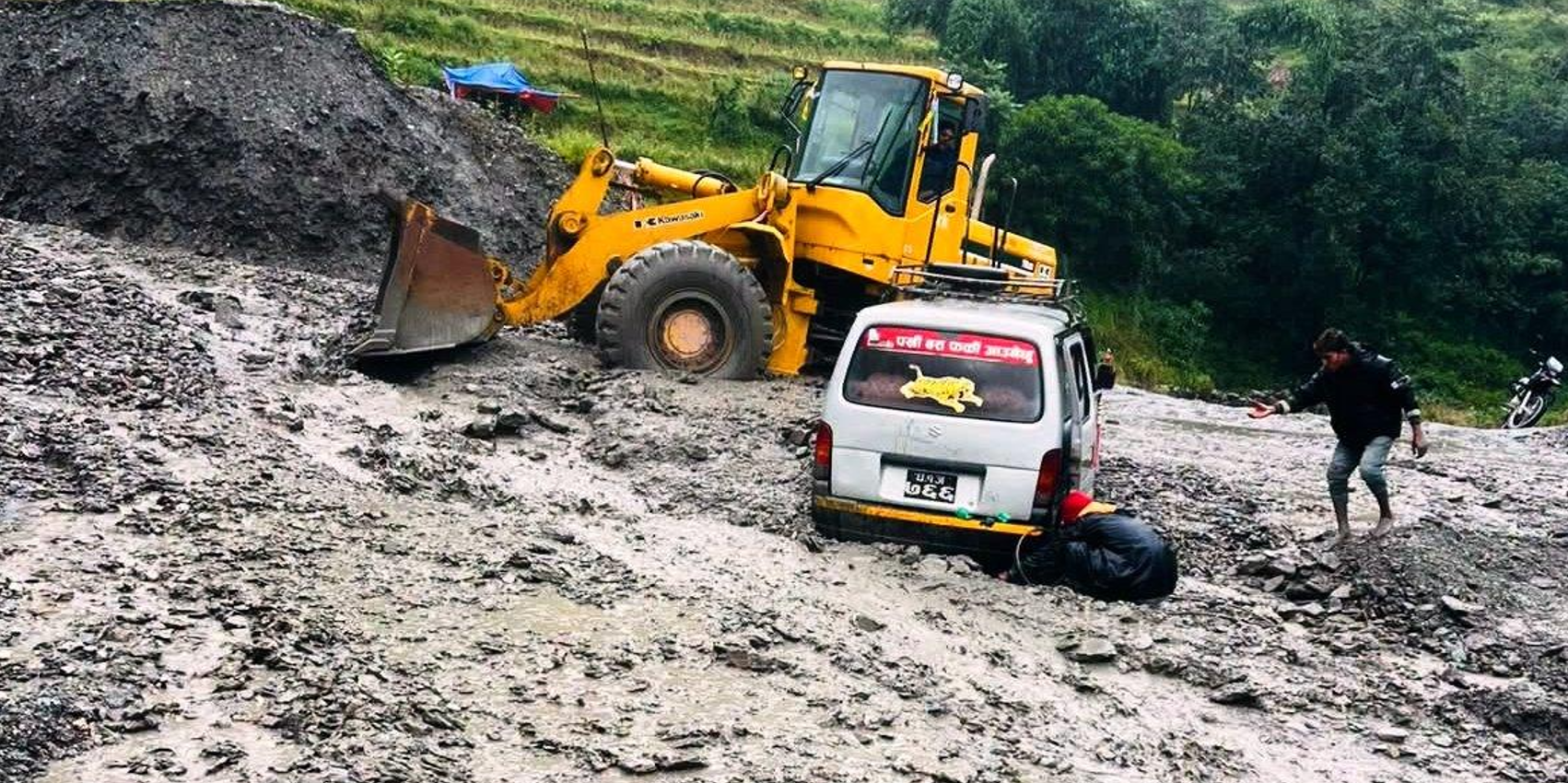
The poor condition of the roads in the rural areas has irked the voters this time. Locals allege that the roads, especially those connecting the inner villages with the market area, have become a means of nurturing cadres in the name of maintenance for decades. Locals have warned the candidates that their health problems are due to mud in the rainy season and dust in winter.
“Every year, gravel is poured on the roads of our village, but it gets washed away with a single rain,” say a local. They are now asking the candidates for a guarantee of a long-term and quality concrete road, not an assurance of normal maintenance.
Human rights activist Raj Kumar Raut, who is also a local of Lahan, analyses the matter, “The game of dilverting the voters and spending the budget by putting gravel will not work in the village just before the election.” Development has not gained momentum due to rampant corruption and commission system in road construction. Voters are now looking for a concrete blueprint for a corruption-free local administration and transparency in the construction process. According to Raut, questioning the quality of road construction and seeking technical details has greatly increased the awareness towards good governance at the local level.
Seeing this form of voters, the candidates of the old parties have started carrying a list of some of the things they have done in the past. They are clarifying that some work has been stopped due to ‘lack of time’ or ‘technical problem’. On the other hand, the candidates of the new parties are presenting themselves as an alternative, blaming the old parties for all these anomalies.
Civic leader Arjun Thapaliya says, “Voters have now transformed from ‘raiti’ to ‘conscious citizen’. They have made up their minds to rise above caste, religion and party and vote for development and good governance. This is a good thing for democracy. In this election, the situation where the voters have to please the voters and not the leader and give logical answers to every question has made the election results more interesting and difficult to predict.











प्रतिक्रिया दिनुहोस्