
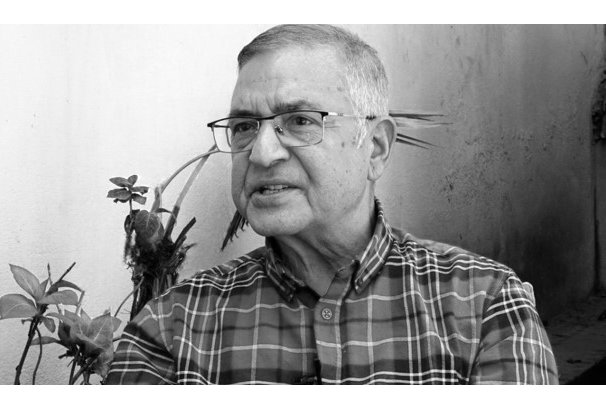
. First week of August 2067. I first went to the residence of economist Keshav Acharya in search of an address. The objective was to talk to Acharya, senior economic advisor at the Ministry of Finance, and prepare an opinion piece. At the time, I was in the early stages of professional economic journalism, and my workplace was ‘economic campaigning’.
It was edited by Achyut Wagle, who is now the Vice-Chancellor of Kathmandu University. I went to Acharya’s residence to fulfill the responsibility given to me. Although we met him on the phone and at a few events, it was the first time I had met him in person.
From the first meeting, Acharya’s style was clear—the ability to explain complex economics in very simple language.TAG_OPEN_p_55 In an hour-long conversation, he presented the deep topics of the economy not as a textbook, but as a life experience. Coincidentally, the first idea for the first official daily issue of ‘Economic Campaign’ was from the same Acharya, and I had the opportunity to talk about it.
guru economist
}
Then began a long relationship—not just that of a journalist and a source, but also of learning and teaching. Institutions changed, times changed, but the conversation with Acharya about the economy never ended.
For many of us involved in financial journalism, Acharya was not only ‘Sir’ but also a guide. He is equally accessible and accessible to everyone, from senior to junior journalists.
While the bull and bear trends in the stock market have made economic journalism attractive from the outside, its intrinsic complexity runs deep.TAG_OPEN_p_51 Moreover, for someone like me, who has only studied journalism, it was difficult to understand the word ‘balance of payment’.
However, Acharya never bothered about such complex issues. He would spend hours on the phone or on the phone patiently. Every interaction with him was like a classroom—where the teacher was kind, not harsh.
Strategic Contributions R Vision
Acharya also played an important role in Nepal’TAG_OPEN_p_48 s economic policy. During the first UML government led by Manmohan Adhikari, Acharya was associated with the concept of the popular ‘old age allowance’ program introduced by Bharat Mohan Adhikari.
This program played a big role in expanding the political base of the UML. But ironically, over time, the increasing burden of social security expenses worried Acharya.
Once, while reporting, he said to me, “I am afraid that the next generation will abuse me if I spend more on social security than the revenue can bear.” ”
In today’s situation, the social security program is about two trillion rupees.TAG_OPEN_p_45 Acharya’s concern was not only theoretical, it was a deep sense of responsibility towards the future.
Padabhanda{ Thoughts
}
After Surendra Pandey, Bharat Mohan Adhikari became the finance minister, and Acharya became the financial advisor for some time.TAG_OPEN_p_43 But he never gave priority to office—he always protected his freedom of thought and policy.
He later resigned from his government post and stepped away from his direct administrative role.
Although he was closely associated with communist ideology, he was not a blind supporter. He was of the view that a country like Nepal should adopt the ‘Nordic model’ – inclusive, equitable and sustainable economic policy.
After the formation of a powerful communist government in 2074 BS, he was expecting new economic reforms.TAG_OPEN_p_40 He seemed equally optimistic even after the rise of the Rastriya Swatantra Party in recent years.
last
}
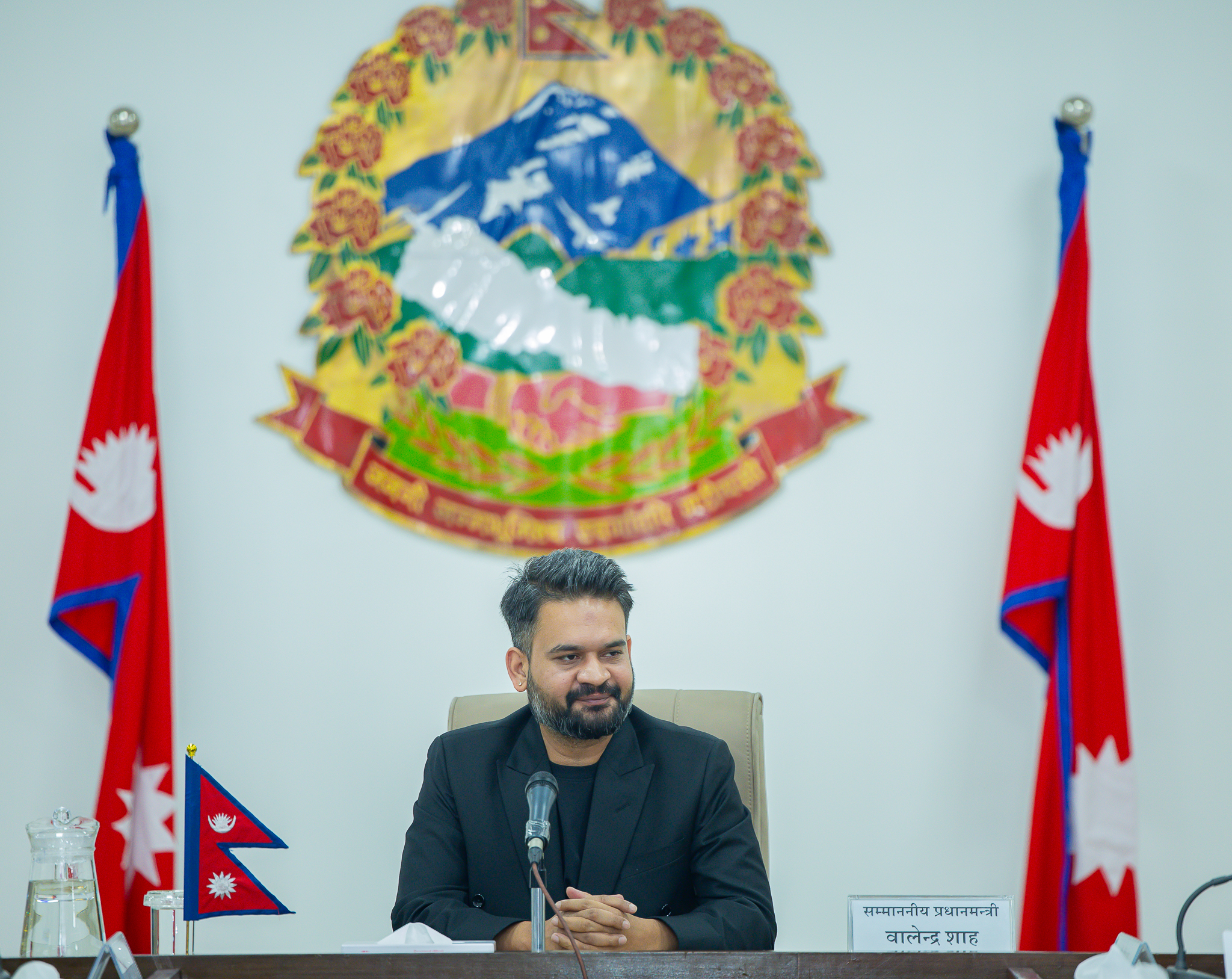
When he last met Acharya at the wedding ceremony of the son of Nara Bahadur Thapa, the former executive director of the NRB, he had expressed positive expectations from the youth leadership, especially a leader like Balen.TAG_OPEN_p_38 Acharya sir was not just an economist—he was a bridge to simplifying knowledge.
His ability to translate complex economic terms into plain language was an invaluable asset to journalists.TAG_OPEN_p_37 He taught us to look at the economy not just in terms of facts and figures, but with society and the future.
He is not with us today. But the thinking, communication style and sense of responsibility he taught are still alive.
Heartfelt tribute to economist Keshav Acharya who sought depth in simplicity and brought clarity to complexity.













प्रतिक्रिया दिनुहोस्