

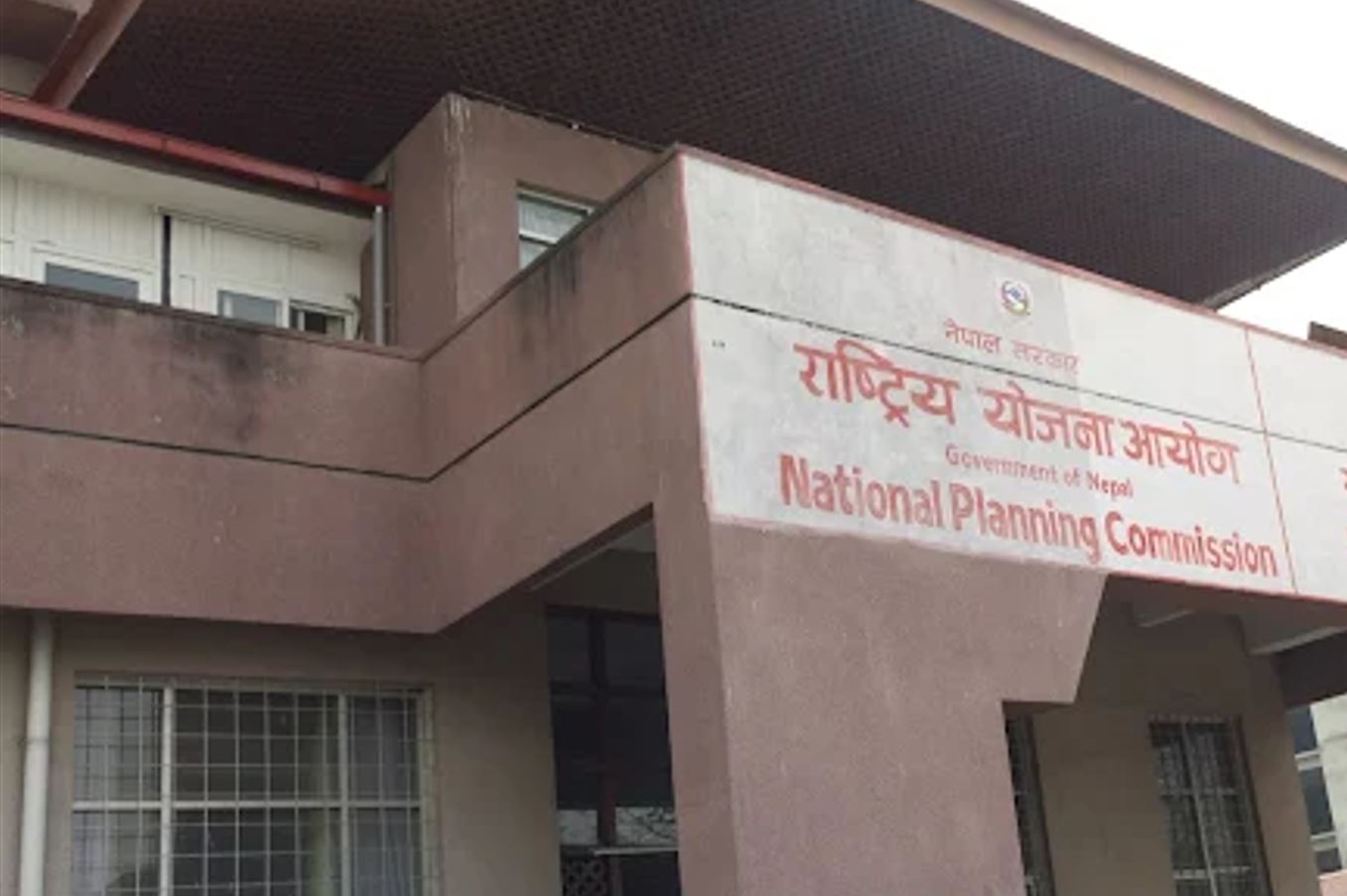
काठमाडौं । १६औ योजनामा उल्लेखित रणनीति, नीति र कार्यक्रमलाई स्पष्ट जिम्मेवारी, समयसीमा र नतिजासँग जोड्दै कार्यान्वयनलाई नतिजामुखी बनाउने उद्देश्यसहित सरकारले ‘१६औ योजना कार्यान्वयन कार्ययोजना (आर्थिक वर्ष २०८१/८२–२०८५/८६)’ सार्वजनिक गरेको छ ।
मुलुकको दीर्घकालीन विकास लक्ष्यलाई कार्यान्वयन तहमा रूपान्तरण गर्ने उद्देश्यसहित गत फागुन १२ गतेको मन्त्रिपरिषद् बैठकले १६औयोजना कार्यान्वयन कार्ययोजना स्वीकृत गरेको थियो । उक्त कार्यान्वयन कार्ययोजना राष्ट्रिय योजना आयोगले आज सार्वजनिक गरेको हो । कार्ययोजनामा आर्थिक, सामाजिक, भौतिक पूर्वाधार, सुशासन, समृद्धि र न्यायजस्ता मुख्य क्षेत्रहरूलाई आधार मानेर प्रत्येक क्षेत्रमा रूपान्तरणकारी रणनीति, लक्ष्य, सूचक र विद्यमान अवस्थाको विश्लेषण समेटिएको छ । त्यस्तै, प्रत्येक विषयगत क्षेत्रमा उद्देश्य, रणनीति, कार्यनीति, प्रमुख कार्यक्रम तथा क्रियाकलापलाई स्पष्ट रूपमा वर्गीकृत गरिएको छ ।
यस कार्ययोजनाको प्रमुख विशेषता भनेको प्रत्येक क्रियाकलापलाई स्पष्ट जिम्मेवारी, समयसीमा र अपेक्षित नतिजासँग जोडिएको छ । कार्यान्वयन गर्ने निकाय, सहयोगी निकाय, स्रोत, तथा समयतालिकासहितको विस्तृत ढाँचा तयार गरिएको छ । यससँगै प्रभाव, असर र प्रतिफल जस्ता सूचकहरू निर्धारण गरी आधार वर्षको अवस्था र योजना अवधिभरका वार्षिक लक्ष्य तय गरिएको छ । यसले परिणाममा आधारित योजना कार्यान्वयनलाई संस्थागत गर्ने अपेक्षा गरिएको छ । त्यस्तै, कार्यक्रम कार्यान्वयनका क्रममा आउन सक्ने सम्भावित जोखिमहरूको पहिचान र विश्लेषण गरिएको छ । साथै, विभिन्न कार्यक्रमबीचको समन्वयात्मक अतिरिक्त लाभ (सिनर्जी) र विरोधाभाष (ट्रेड–अफ) को विश्लेषण पनि समावेश गरिएको छ । यसका अतिरिक्त, गत भदौ २३ र २४ मा भएको आन्दोलनका क्रममा भएको भौतिक क्षतिको मूल्याङ्कन तथा पुनर्निर्माण कार्यको प्रारूप पनि कार्ययोजनामा समेटिएको छ ।
कार्ययोजनाले सङ्घ, प्रदेश र स्थानीय तहबीचको सहकार्यलाई स्पष्ट पार्दै जिम्मेवारी बाँडफाँट र स्रोत परिचालनको मार्गचित्र तयार गरेको छ । यसले सङ्घीयताको प्रभावकारी कार्यान्वयनमा देखिएका दोहोरोपन, ढिलासुस्ती र स्रोतको दुरूपयोग जस्ता समस्याहरूकम गर्ने अपेक्षा गरिएको छ । योजनामा सार्वजनिक लगानी व्यवस्थापन, बजेट कार्यान्वयन, अनुगमन तथा मूल्याङ्कन प्रणालीलाई सुदृढ बनाउने दिशामा स्पष्ट प्रावधान राखिएको छ । डिजिटल प्रविधिको प्रयोग, सामाजिक उत्तरदायित्व र नागरिक सहभागिता बढाउँदै पारदर्शिता र जवाफदेहिता सुनिश्चित गर्ने लक्ष्य पनि राखिएको छ ।
यस कार्ययोजनाले १६औ योजनाका नीतिगत मान्यता र कार्यक्रमलाई प्रभावकारी कार्यान्वयनमा लैजाने मूल उद्देश्य लिएको छ । जसमा विषयगत रणनीति र कार्यक्रमको प्रभावकारी कार्यान्वयन सुनिश्चित गर्नु, छरिएका र अस्पष्ट विषयवस्तुलाई एकीकृत र सरलीकृत बनाउनु, मन्त्रालय तथा निकायको भूमिका स्पष्ट गरी कार्यान्वयन क्षमता अभिवृद्धि गर्नुलगायत छन् ।
त्यस्तै, स्रोत साधनको प्रभावकारी परिचालन सुनिश्चित गर्नु, मध्यमकालीन खर्च संरचना र वार्षिक बजेटसँग योजनालाई आबद्ध गर्नु, नतिजा खाका तयार गरी मूल्याङ्कन र प्रतिवेदन प्रणाली सुदृढ गर्नुलगायतका विषयलाई पनि कार्ययोजनाको प्राथमिकतामा राखिएको छ । १६औ योजना समग्र रूपमा १३ वटा रूपान्तरणकारी क्षेत्रमा आधारित छ । जसमा उत्पादन क्षमता वृद्धि, रोजगारी सिर्जना, सामाजिक समावेशिता, वातावरणीय सन्तुलन, पूर्वाधार विकास र सुशासनलाई योजनाको केन्द्रमा राखिएको छ ।
यो कार्ययोजना तर्जुमा प्रक्रियामा विगतका योजनाको समीक्षा, सङ्घीयताको कार्यान्वयन अवस्था, दिगो विकास लक्ष्य, र नेपाललाई अति कम विकसित मुलुकबाट विकासशील राष्ट्रमा स्तरोन्नति गर्ने रणनीतिहरूको अध्ययन गरिएको जनाइएको छ । त्यस्तै, निजी क्षेत्र, सहकारी क्षेत्रलगायत सरोकारवालासँग परामर्श गरी कार्यान्वयनयोग्य कार्यक्रम छनोट र प्राथमिकता निर्धारण गरिएको उल्लेख छ ।
आर्थिक वर्ष २०८५÷८६ भित्र मुलुकको अर्थतन्त्रको आकार १०३ खर्ब हाराहारी पु¥याउन करिब रु ११२ खर्ब लगानी आवश्यक पर्ने गरी सोह्रौँ पञ्चवर्षीय आवधिक योजना कार्यान्वयनमा छ । सोह्रौँ पञ्चवर्षीय आवधिक योजनाले राखेको लक्ष्यअनुसारको वृद्धिदर हासिल भई मुलुकको अर्थतन्त्र विस्तार हुँदा योजनाको अन्तिम वर्ष जिडिपीको आकार सय खर्ब नाघ्नेछ ।
“सोह्रौँ योजना अवधिमा आधारभूत मूल्यमा औसत ७.१ प्रतिशतको आर्थिक वृद्धिदरको लक्ष्य हासिल गर्न कूल स्थिर पुँजी लगानी आव २०८०र८१ को मूल्यमा ९४ खर्ब ८२ अर्ब ६६ करोड आवश्यक पर्ने अनुमान गरिएको छ”, सोह्रौँ योजनामा भनिएको छ, “समग्र लगानीलाई प्रचलित मूल्यमा परिणत गर्दा योजना अवधिमा कूल १११ खर्ब ८४ अर्ब २३ करोड आवश्यक पर्ने अनुमान छ ।”















प्रतिक्रिया दिनुहोस्