

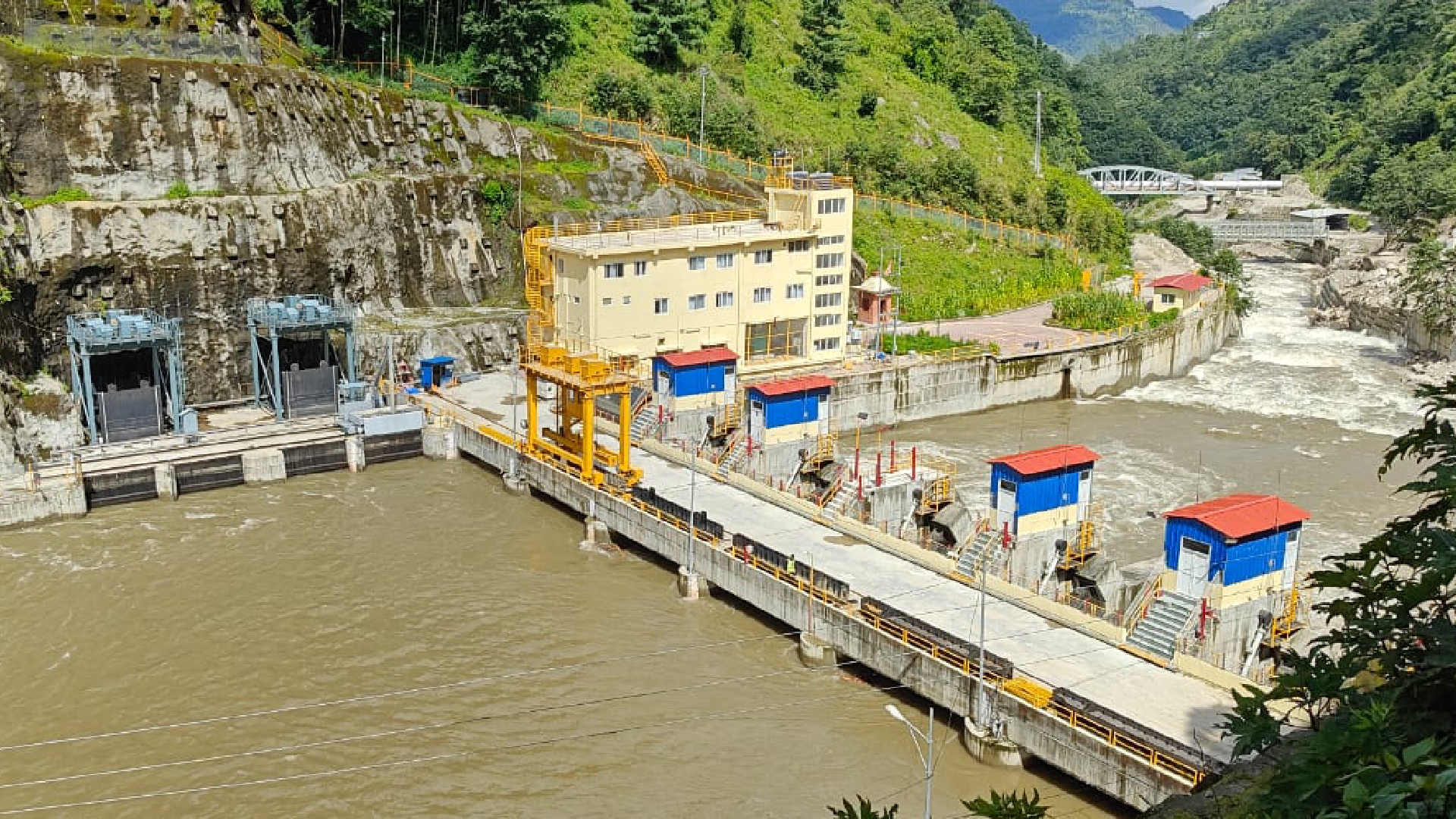
Solukhumbu. Solukhumbu: The 82 MW Lower Solu Hydropower Project in solukhumbu district has been connected to the national grid. The project, constructed at Solukhola in the district, has been connected to the national grid through Tingla substation through the 132 KV double circuit transmission line of the Solu Corridor.
Constructed with private investment, the project has become an important milestone in terms of production and flow. The project, promoted by Solu Hydropower Limited, started generating electricity of the first unit from July 15 and connected to the grid with trial, said Krishna Bahadur Chaudhary, assistant manager of the project. According to him, electricity has been generated by constructing a dam at Salme on the border of Solududhkunda Municipality-7 and 11 and pumping water to an underground powerhouse at Bhadaure in Tingla about six kilometers below.
A five-kilometer-long tunnel has been constructed to control the flow of rivers and generate energy. Assistant Manager Chaudhary said, “Two pelton turbines of 41 MW capacity each have been installed. Successful testing of both units has been completed on the grid. Nepal Electricity Authority (NEA) will now test the production for the next 15 days. After receiving the approval of the Electricity Authority after the trial, the project will start regular power flow on a commercial basis.
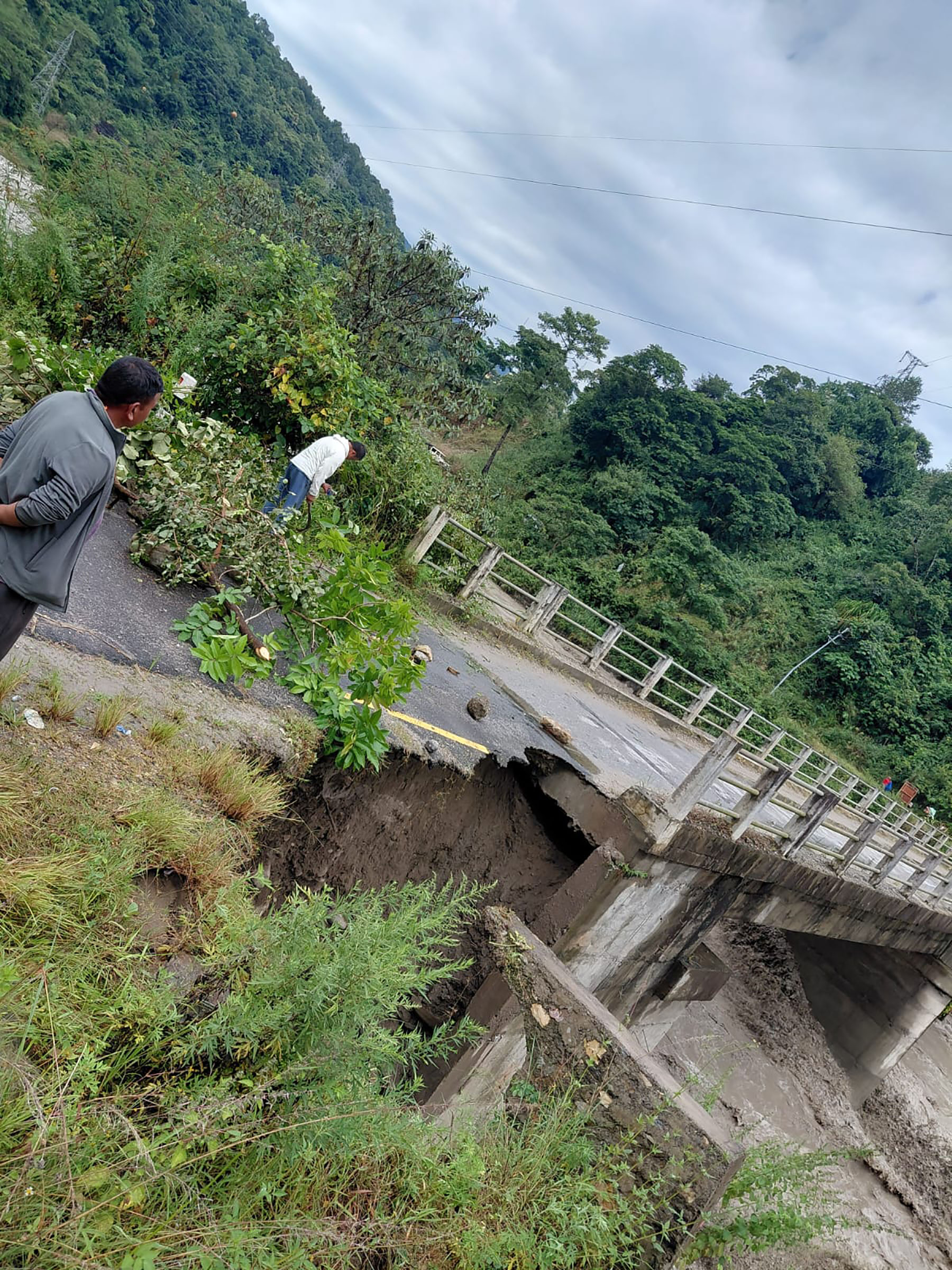
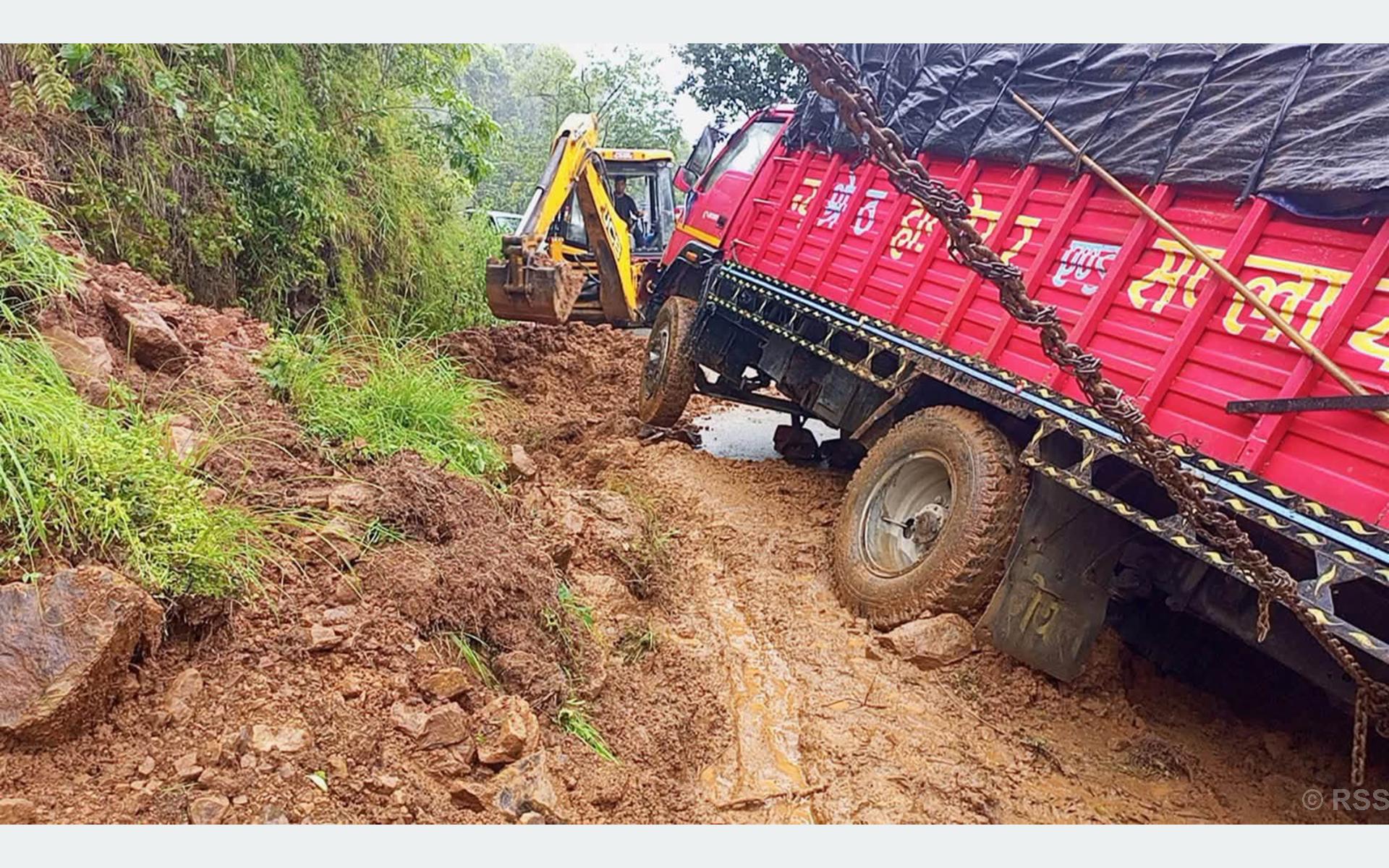
The project was started in 2016 and has been facing geographical difficulties, technical complications and climate-related hurdles. When the construction was in its final stages, the landslide caused extensive damage to the structure including penstock. As a result, all the structures had to be reconstructed, said Project Assistant Manager Chaudhary. Although this change has increased the cost slightly, it is expected to benefit the long-term sustainability.
Constructed at an investment of Rs 16 billion by various European banks, including FMO, the project has become a model of private sector and international cooperation. Project experts say that such a large amount of investment, risk management and premature completion is a positive in itself. Although the construction company had set a target to complete the project by September 2025, the construction work was completed two months ago and the power generation started. The lower Solu project is expected to generate a minimum of 23 MW of electricity in winter and a maximum of 82 MW in the rainy season.
The electricity generated is being transmitted to the national grid through the Tingla substation through the 132 KV double circuit transmission line. The project is part of the government’s ‘Super Six’ project, which includes six major hydropower projects being constructed with private investment. The 86 MW Solu Dudhkoshi project is the largest private sector project in Nepal so far. Which has already come into operation. Lower Solu project is the second largest hydropower project with private investment.
Along with power generation, the project has contributed significantly to employment, infrastructure, business mobility and economic activities in Solukhumbu district. From digging tunnels to installing penstocks, from installing turbines to operating power houses, dozens of local youths were involved in technical and non-technical fields. The local people’s representatives have expressed the belief that this project will become the main basis for solukhumbu’s prosperity. Tourism, industry, services and infrastructure development are expected to gain momentum along with power generation.











प्रतिक्रिया दिनुहोस्