

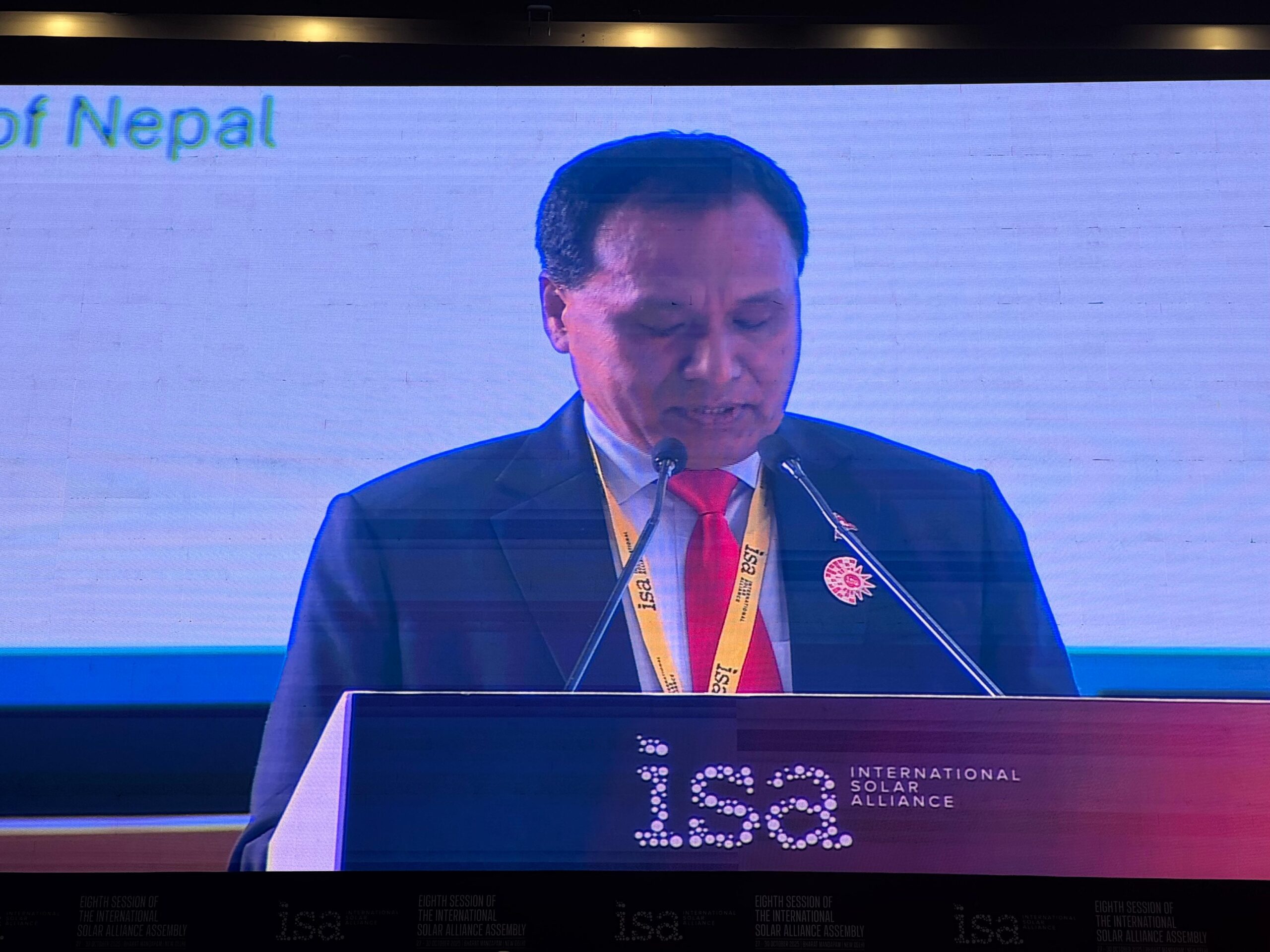
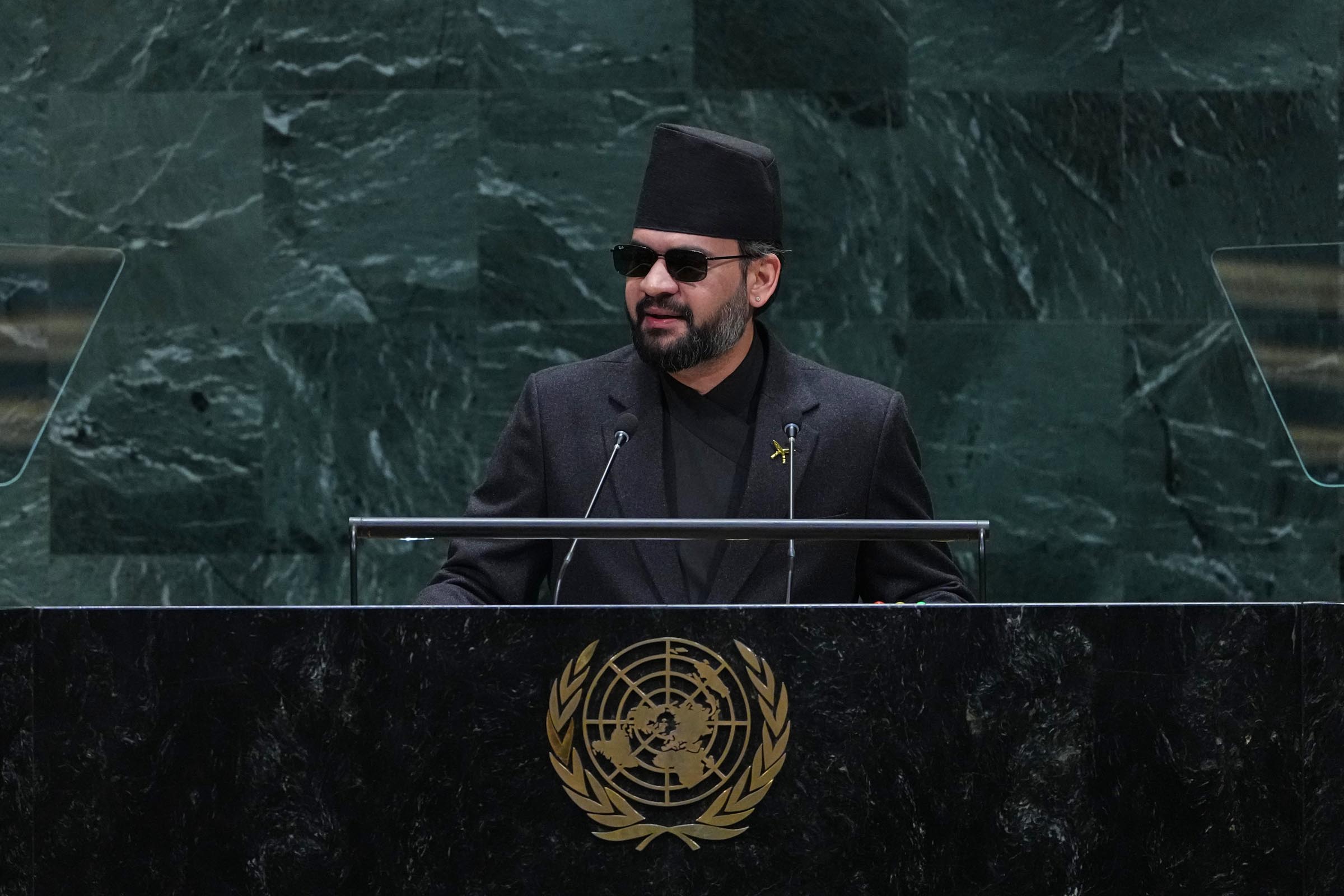
Kathmandu. Minister for Energy, Water Resources and Irrigation, Physical Infrastructure and Transport, and Urban Development Kulman Ghising has urged the international community to invest in Nepal’s renewable energy such as hydropower and solar.
Minister Ghising said that Nepal’s journey towards clean energy has now reached an important turning point to enter into a new era. “With immense hydropower potential, growing solar power potential, and expanding cross-border transmission lines and energy linkages that we have the potential to sustainably energize the region, I invite our friends and partners to invest in Nepal, invest in renewable energy, and be part of a brighter and greener future for all.” ” he said.
Speaking as a keynote speaker at the thematic session of the assembly on ‘Vision of Regional and Global Interlinkages for Large Scale Clean Energy Transition’ on Tuesday, Minister Ghising said that Nepal’÷s hydropower is the strategic enabler of clean energy transition in South Asia. “Nepal’s hydropower is an important resource for the region’s resilient and stable grid,” he said.
“It is Nepal’s vision to become a major exporter of clean and green energy in South Asia,” he said, adding that Nepal and India are jointly identifying high-capacity transmission line infrastructures with the goal of exporting 15,000 MW of renewable energy by 2035.
“With hydropower potential of around 83,000 MW and about 42,000 MW of pumped storage, the energy source is clean, renewable and complements the solar and wind energy of Nepal’s neighboring countries,” he said. “As grids evolve regionally and globally, interconnected transmission networks will enable the flow of renewable energy between different regions, maintaining power demand and supply balance, reducing costs and expanding access,” he said.
“This vision is perfectly aligned with the concept of One Sun, One World, One Grid, where clean energy flows across borders in a seamless and sustainable manner. “Transparent regulation, uniformity of standards and expanding open access to transmission infrastructure will be key elements to attract private investment and ensure long-term sustainability to ensure a smooth, non-discriminatory and unrestricted flow of green energy,” he said. ’
Stating that cross-border energy cooperation is at the heart of Nepal’s clean energy vision, Ghising stressed the need to strengthen transmission infrastructure not only between Nepal and India but also India and Bangladesh to lay the foundation for effective regional integration and fully connected grid among the BIMSTEC member countries. He called for further strengthening regional and international cooperation to address and mitigate the serious damage to power systems and livelihoods from climate change.
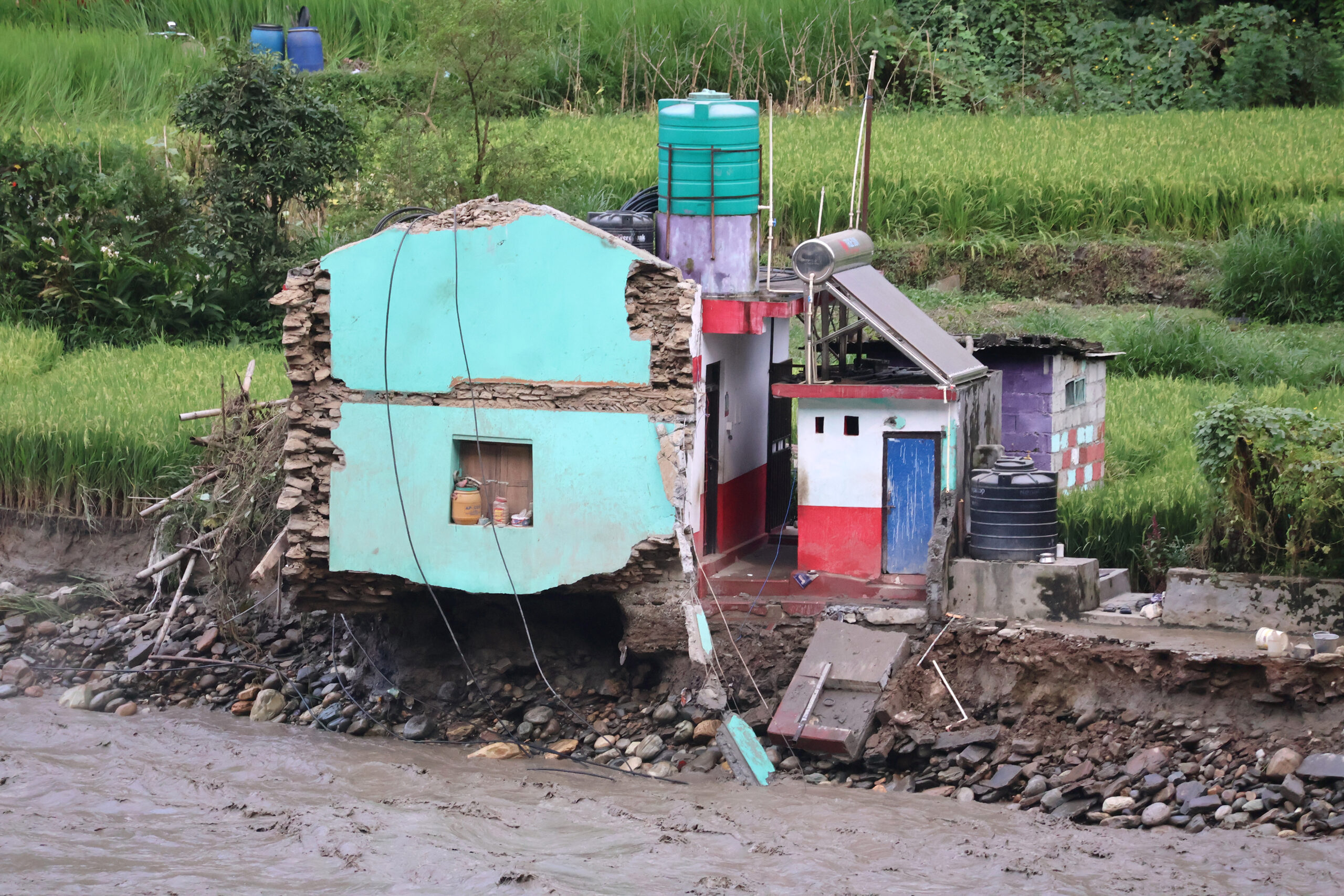
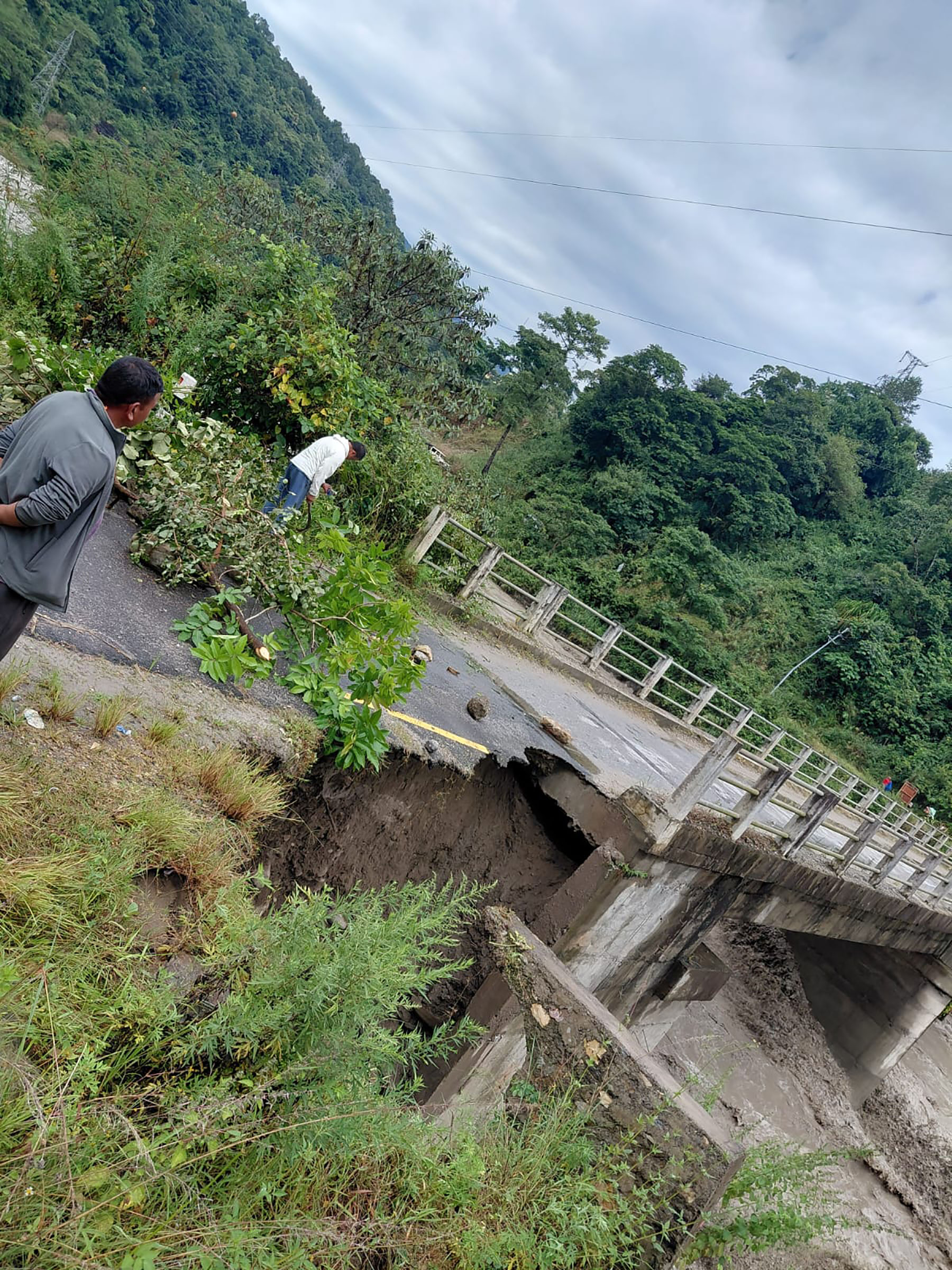
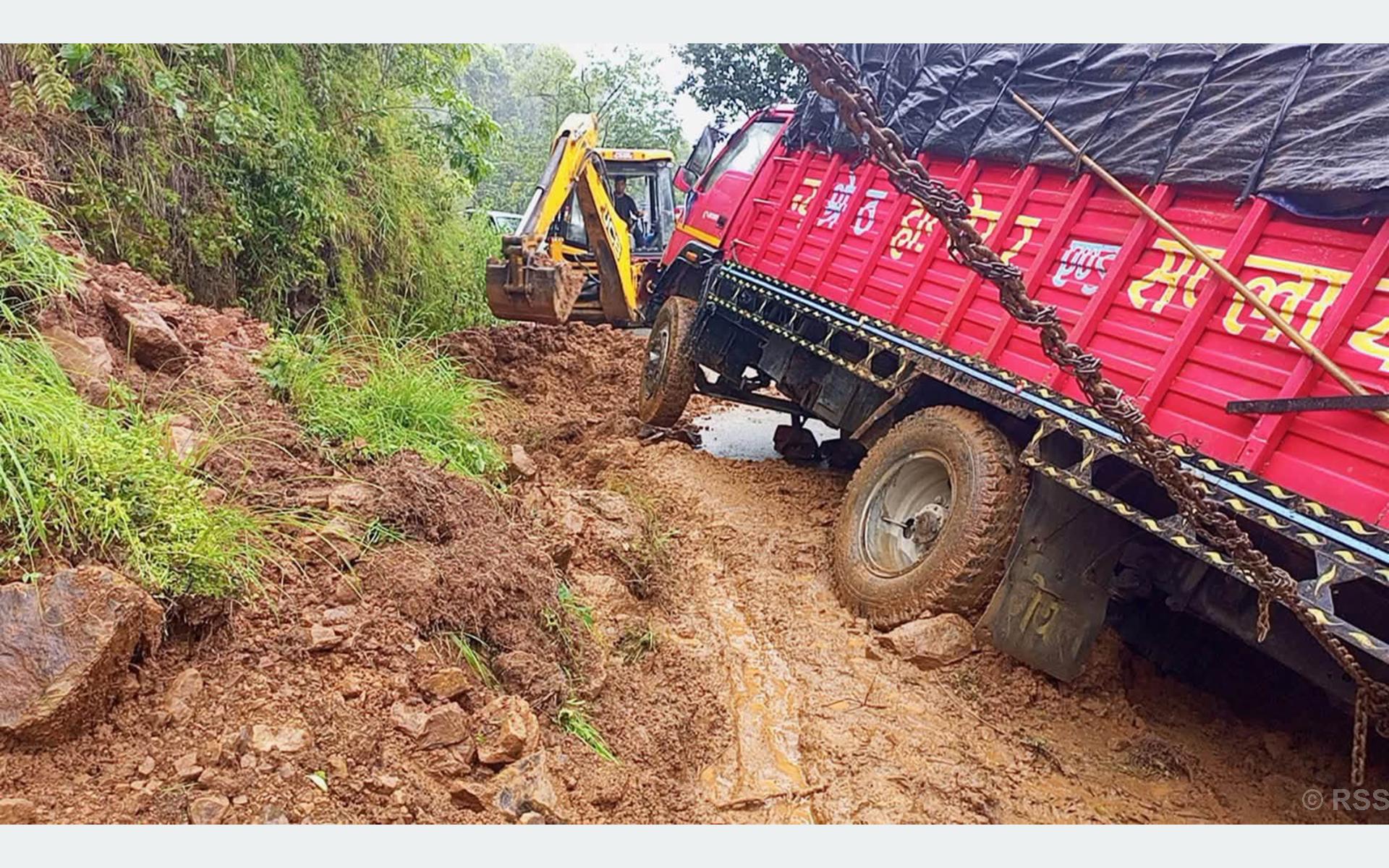
Minister Ghising said, “Another important aspect of sustainability is the resilience of our energy infrastructure to cope with the increasing impacts of climate change, although Nepal’s contribution to carbon emissions is negligible, the frequent occurrences of floods and droughts are severely damaging our power systems and livelihoods, often necessitating major reconstruction, so strengthening climate resilient infrastructure is our national priority. And we call for stronger regional and international cooperation to address and mitigate these climate-related losses. ’













प्रतिक्रिया दिनुहोस्