


Kathmandu. According to power producers, around 200 MW of electricity has been wasted after the Nepal Electricity Authority (NEA) cut off the power supply to big industries due to the dispute over dedicated and trunk lines.
At a time when 400 to 500 megawatts of electricity was being wasted regularly due to various reasons, at least 200 megawatts of electricity has been wasted after two dozen big industries consume a lot of electricity at once.
Now that the rainy season is coming to an end but the dry season has not yet begun, it is time for most of the projects to operate at full capacity. This is also the time to earn the principal interest that the bank has to pay for the whole year. The demand for electricity was also declining after the Jenji agitation saw the arson and vandalism of private and public properties across the country. A large amount of electricity from the power projects has been wasted after the government cut off the power supply to the big industries that consume electricity at this time.
According to the data, 84 MW Rahughat hydropower project and 9.9 MW Ewakhola Hydropower Authority (EWA) have completely wasted power due to the NEA’s dispatch directive. Likewise, the 71 MW Nilgiri-2 hydropower project, the 28.1 MW Lower 14 MW, the 44 MW Super Modi, the 12 to 15 MW and the 54 MW Super Dordi hydropower project will be run only with 5 to 7 MW.
According to the power producers, the demand for 500 MW of electricity was low even before the power supply was disconnected, which has led to the collapse of the financial condition of the hydropower projects. Promoters of the private sector have become worried after the dispatch directive halted power generation even in projects that were not kept in contingency in recent times. “Let’s protest against the Nepal Electricity Authority (NEA), we will stop the electricity taken from tomorrow, otherwise the economic situation will collapse. An investor from the private sector said, “If this situation continues, then the situation will arise as the NEA does not take electricity.”
Banks have provided loans of up to 4÷5 to a few and 12÷13 to build a single hydropower project. Until now, the hydropower sector was the only area where bad loans were almost zero. However, due to the government’s move, the hydropower projects will also be blacklisted, the houses and lands of the entrepreneurs may be auctioned and the banks will also collapse, and this will have a negative impact on the economy of the entire country, so the NEA should take electricity in such a way that it does not discourage the investment of the private sector.
The electricity generated by the 84 MW Rahughat hydropower project has been completely wasted. General Manager of Tundi Power Company, Indra Dhakal, said that all the electricity generated by the project has been wasted.
The 44 MW Super Madi Hydropower Project in Kaski was in full operation. This project is not even in contingency. Project proprietor Pushpajyoti Dhungana said the NEA has been purchasing only 12 to 15 megawatts of electricity from big industries.
The 54-megawatt Super Dordi Hydropower Project in Lamjung is a contingency project. The NEA had not purchased all the electricity generated from the project for a long time due to lack of capacity of the transmission line. Project proprietor Arjun Gautam said that the project has been operating only at 5-7 MW at some time and sometimes after the closure of big industries.
Niligiri Khola Hydropower Company General Manager Sumit Shrestha said that the project of 71 MW is expected to generate only 40 MW.
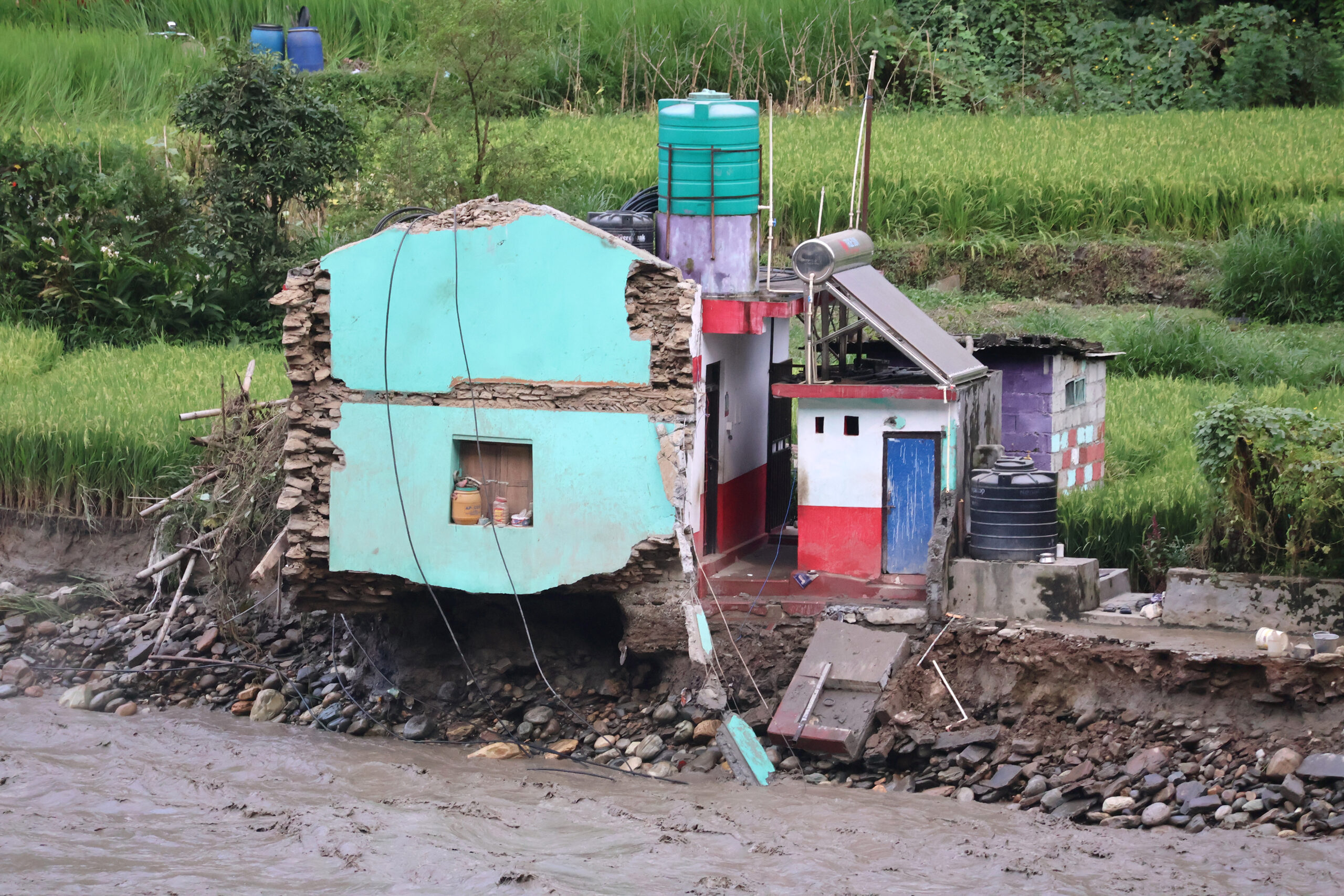
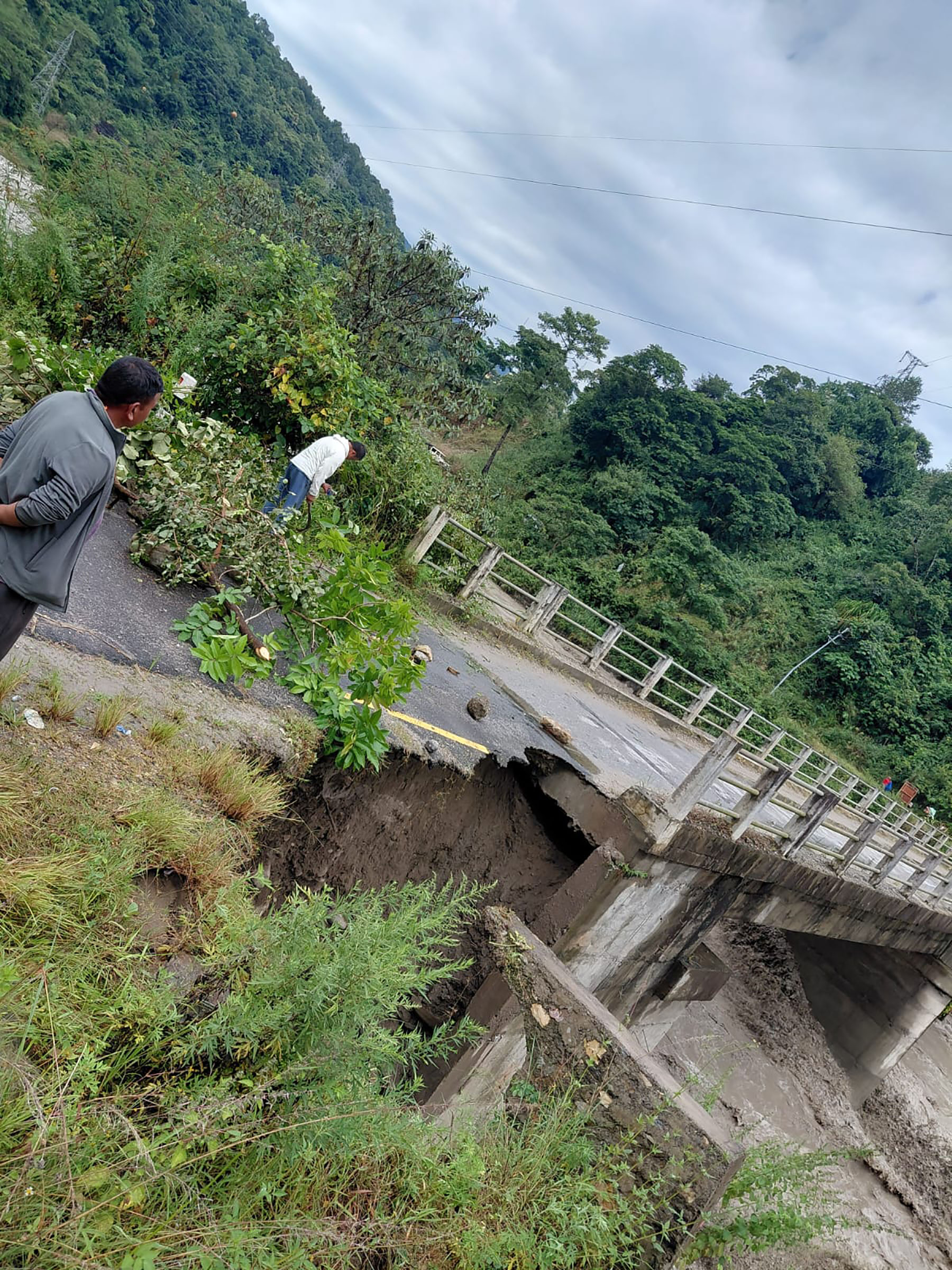
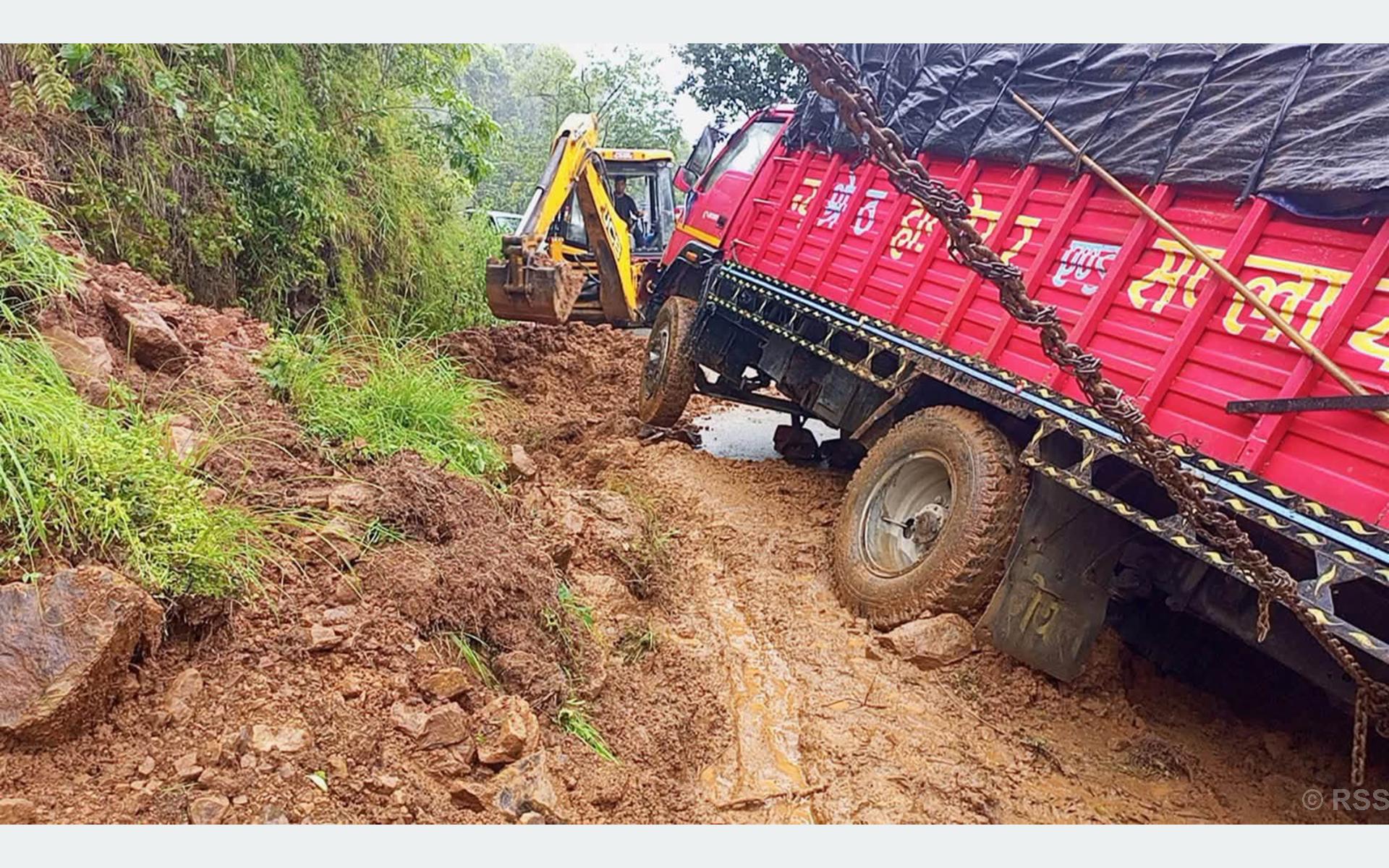
Currently, the total installed capacity in Nepal is 3,700 MW while the private sector has only 3,000 MW. However, electricity consumption was only 2,07÷800 MW including domestic consumption and export. A dozen hydropower projects in eastern Nepal have been affected due to the floods of October 17÷18, which has halted the generation of about 150 to 200 MW of electricity.











प्रतिक्रिया दिनुहोस्