

It has been almost 7 months since the Creta EV was launched in Nepal. During this period, the market of Creta has been very good. The EV market in Nepal is growing rapidly. About 70 percent of the vehicles sold are EVs.
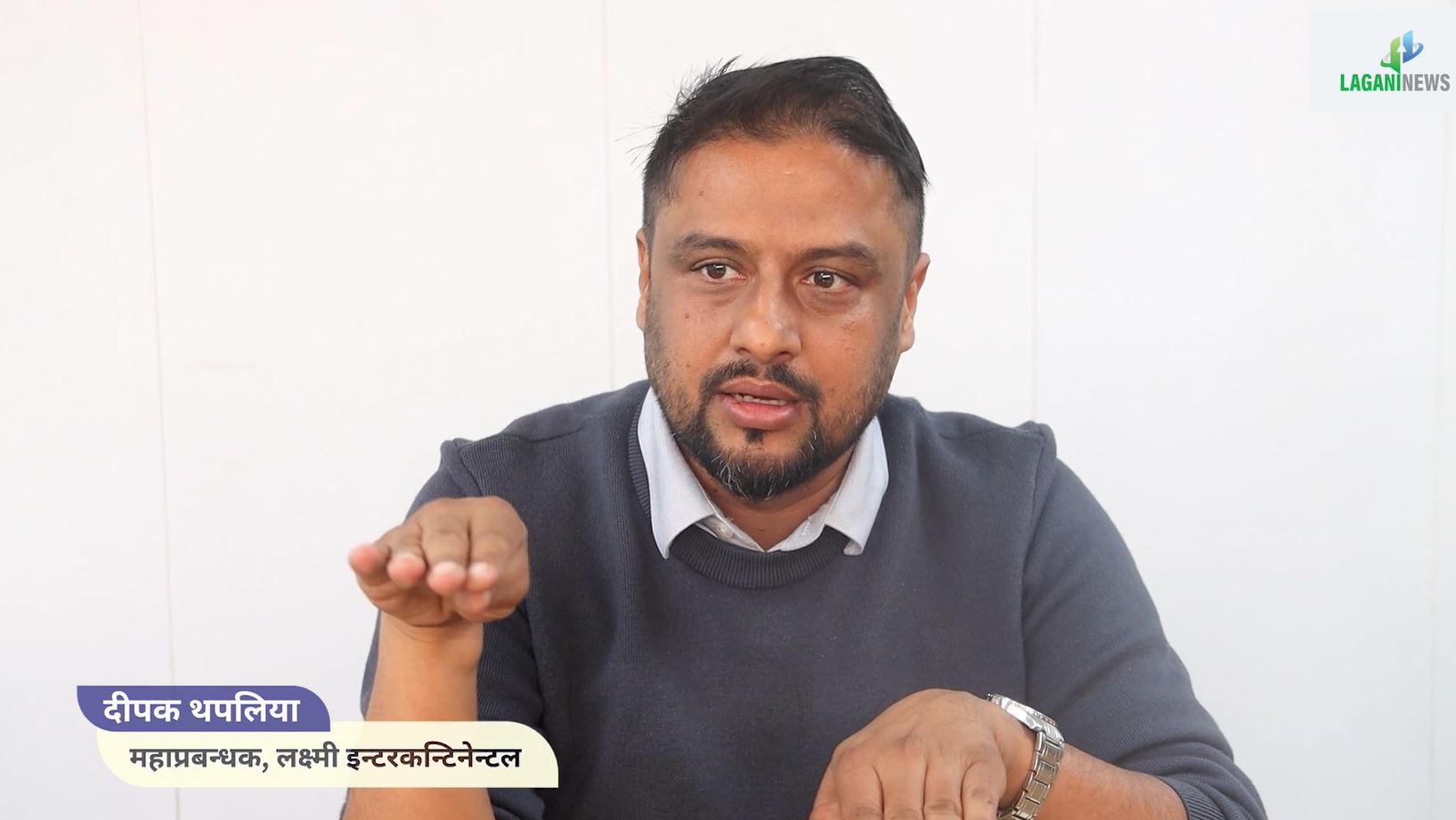
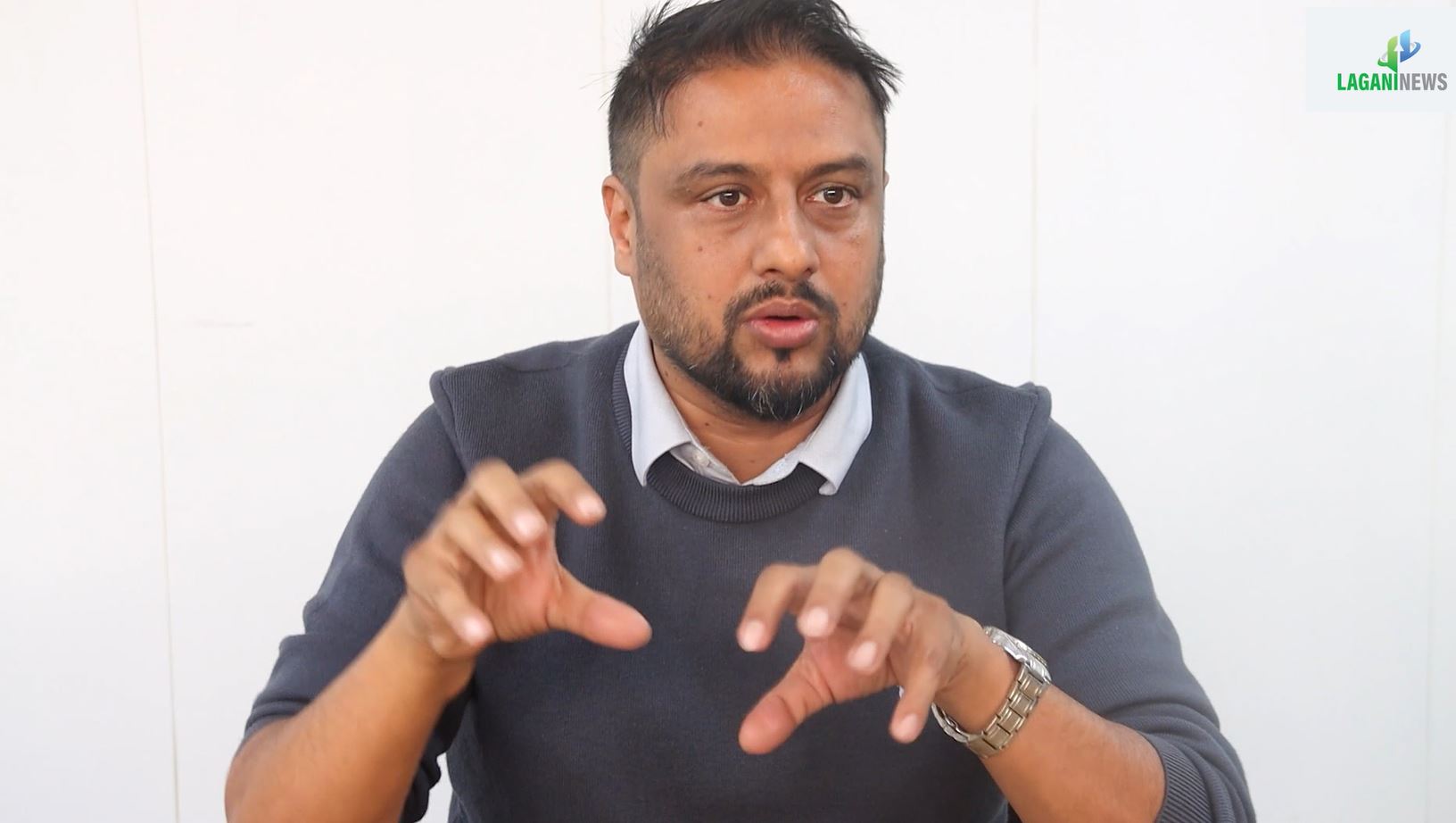
With the increase in EV imports in Nepal, what is its battery capacity, what is the cost of parts? What are the things that Laxmi Intercontinental has focused on to provide easy service to the customers? Focused on these TAG_OPEN_em_31 and similar topics, edited excerpts of a conversation with Deepak Thapaliya{, General Manager of Laxmi Intercontinental :
What is the demand for Creta EV in Nepal?TAG_OPEN_strong_29
We launched the Creta EV in Nepal about 7 months ago.TAG_OPEN_p_49 Even before the launch of the Creta in Nepal, many people were interested in it. It was also very prestigious. The Creta had become a brand in itself, so many people were getting information about it. The interest and interest of the customers standing in the Creta EV has increased a lot. EV enthusiasts were wondering when the Creta would arrive. Its model is also liked by everyone.
When it came to Nepal, there have been great reactions from its users. The customer response has made us very satisfied. The customers who have been loving us so far is a result of the trust they have placed in Creta. This vehicle is suitable for Nepali roads. The feedback has also been that its customer performance has been very good.
Which aspect of the Creta EV is most appealing to the consumer?
Currently, the market in Nepal is around 12,13,000, of which 70 to 75 percent is EVs.TAG_OPEN_p_46 There is a huge market for cars priced between Rs 50 lakh and Rs 55 lakh in the Nepali market. On average, more than 30 per cent of the market is in the range, and so is the Creta.
When there are so many options, the consumer has to decide what to take and why. So far, those who have bought the Creta have said that the reason for buying this vehicle is ‘peace of mind’.
TAG_OPEN_p_44 When choosing any Hyundai vehicle, you don’t have to worry about the convenience and cost of parts. When you travel, you do not have to worry about the condition of the road. There are many things to pay attention to when buying a car, and consumers pay more attention to the ‘peace of mind’ that this vehicle provides.
It doesn’t have to worry too much about aftersales. You don’t have to worry about getting parts or not. You don’t have to worry about the price of the parts.
TAG_OPEN_p_42Hyundai’s journey has completed 7 years. We have skilled technicians. We have 15 networks across the country. Everything the consumer needs is available in the car. After buying these vehicles, consumers can believe that there is no worries.
How much has the Creta EV attracted consumers in terms of price?TAG_OPEN_strong_27
TAG_OPEN_p_40 Every vehicle has its own characteristics. Hyundai is an old EV brand. Since 2018, we have started our journey through Ionic. Initially, we also brought EVs from Korea. At that time, there was no tax exemption like now, which led to higher prices. The tax rate has been pretty much the same for more than 4 years now.
EVs rely primarily on batteries. What has been the experience of Hyundai’s previous EVs in Nepal, why is it expensive to replace batteries?
Ioniq and Kona have not had to replace the batteries yet. The battery health of both is still very good. Kona is 97 percent and Ioniq is 95 percent, which is down only about 5 percent. The battery is lithium-ion technology and gives excellent performance even in Nepalese terrain. Even in a small pack, its energy density is high, so the performance looks good.
The result is also very good in terms of TAG_OPEN_p_38 the distance used so far. Battery raw materials are being mined around the world, and as the scale of the supply chain grows, so are the costs. Lithium-ion batteries used to cost around $450 per kilowatt-hour, but have now dropped to about $100. The battery is available for $400, although the total cost is different. It is unlikely to be any cheaper now.

The replacement cost of batteries may not be exorbitant, but the challenge is that it is difficult to bring them to Nepal at the rate set by the manufacturer. Lithium-ion batteries require a special container when transporting them from overseas, as ordinary containers are at risk of fire. Therefore, it has to be brought in refrigerated containers, which increases the transportation cost to Nepal a lot.
When will Nepali consumers be able to ride assembled EVs in Nepal?TAG_OPEN_strong_25
The government has given exemption for the import of vehicles in ready condition. It is cheaper to import from outside than to assemble in Nepal.
The government’s policy is now. There are 50 duties in Nepal. It’s as challenging as it gets. This is not the case in Nepal when a company sells a vehicle at a high profit abroad. Let’s hope something can change in the future. If the government takes a policy to encourage assembling, it will also benefit the country.











प्रतिक्रिया दिनुहोस्