


Kathmandu. Japanese Prime Minister Sigeru Ishiba has called it “seriously worrisome” after US President Donald Trump threatened to impose a 25 per cent tariff on Japanese goods. Tokyo, which has long been a friendly country of the United States, has been trying to avoid such tariffs.
Japan has been seeking concessions for its troubled carmakers and has been trying to block pressure from the Trump administration to enter the U.S. rice market. Meanwhile, several rounds of trade talks took place, and the Japanese trade minister visited Washington DC more than seven times since April. However, those visits did not yield much results.
During the talks, Trump commented that Japan has been ruined from hard. This week, Japan joined the list of 23 countries to whom u.S. tariff letters have been sent — 14 of them in Asia.
On Friday, Trump announced a 35 percent tariff on goods imported from Canada. At the same time, he said that there is a plan to increase the tariff on almost all business partners from the current 10 percent to 20 percent.
Countries around the world have been given a deadline of August 1, 2025, to make a deal with the US if they want to maintain access to the US market. But with even a close ally like Japan facing high tariffs, other nations have begun to doubt the possibility of a deal.
Still, some economists are optimistic. According to Xuan Tek Kin, head of research at United Overseas Bank, the deadline has put pressure on new negotiations.
Export-dependent countries, including Thailand, Malaysia, Cambodia and Vietnam, are expected to do more to find solutions. These countries are under US surveillance for ‘transshiped goods’ that divert China’s exports through third countries.
Alex Capri, a trade expert at singapore’s National University, said it was unclear how the tariffs would be levied on transshiped goods. It is unclear whether they are finished goods or materials imported from other countries.
Analysts believe that the biggest impact has been on global trade as tariffs show signs of becoming permanent. Multinational companies in the U.S., Europe and China are at risk, impacting U.S. importers and consumers as well.
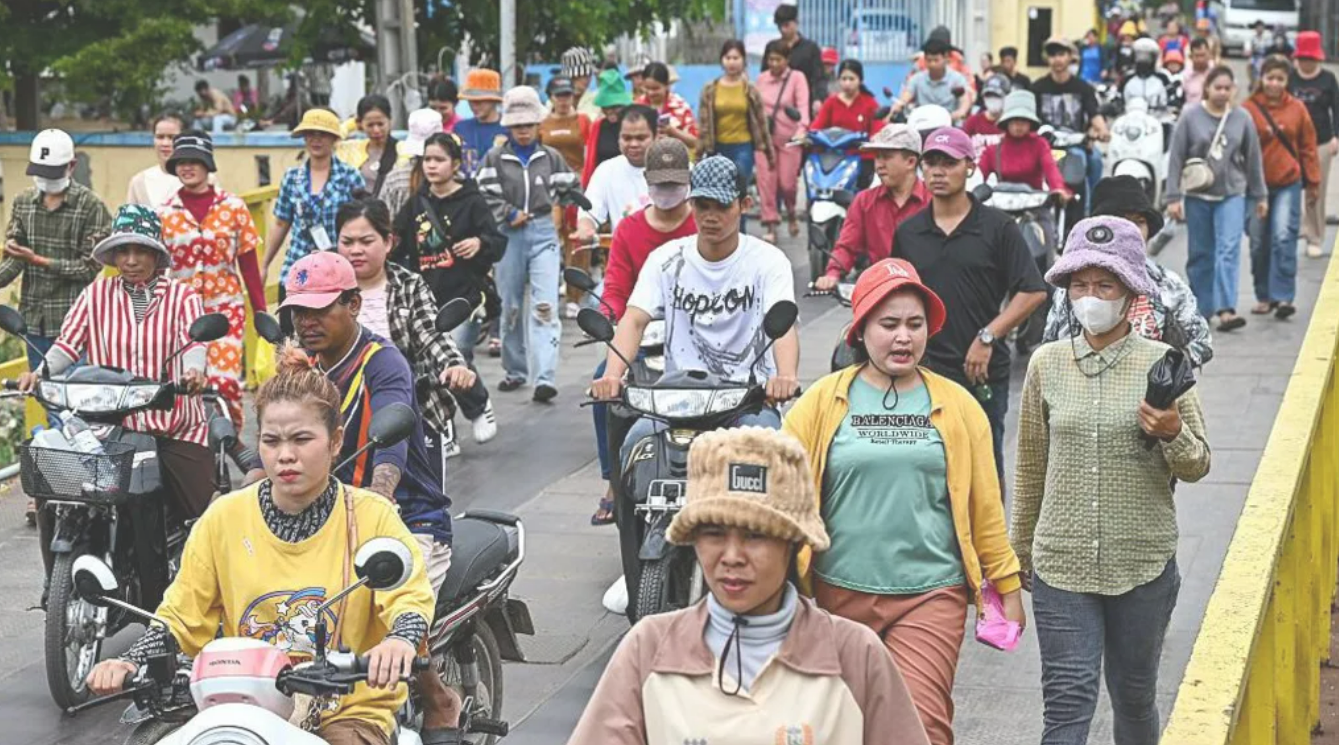
Especially asian countries where most of the manufacturing industries are located. Their economic aspirations are likely to be severely hurt. Millions of Cambodia’s workers depend on the garment industry, and those industries depend on exports.
Economist Jesper Cole says, “Despite having close economic and military ties with the United States, Japan continues to be treated like other Asian countries.” Japan has large financial reserves and is ready for long-term negotiations.
After Trump announced tariffs in April, the Japanese government immediately declared an “economic emergency” and opened hundreds of consultation centers. Prime Minister Ishiba has refused to buy rice from the UNITED States, which has given priority to the protection of domestic farmers despite the price rise in Japan. He has also rejected Trump’s demand to increase military spending.
Benefit to China
According to analysts, Trump’s public placement of tariff letters on the internet instead of traditional diplomatic means is a political drama that has rattled other nations. According to Alex Capri, the confusion created in this way will become an opportunity for China, which is trying to present itself as an alternative to Trump’s unexpected behavior. But the U.S. market won’t be easily abandoned, and China itself is locked in trade and diplomatic tensions with countries ranging from Japan to Vietnam.
Talks with China could last until August 13, 2025, but the race over which country will build a strong relationship with the US or China has not stopped yet. Professor David Jacques of NUS said, “Both sides feel the need to end the relationship, but that process can last for many years, even decades.” ”















प्रतिक्रिया दिनुहोस्