World’s largest dam being built by China puts India under stress
लगानी न्यूज
Agency. China has started the construction of a hydropower dam, which has raised serious concerns in India and Bangladesh. The foundation stone for the construction of the world’s largest hydropower dam in the Tibetan region has been laid. Chinese Premier Li Keqiang presided over the opening ceremony of the project over the Yarlung Tsangpo River on Saturday, local media reported.
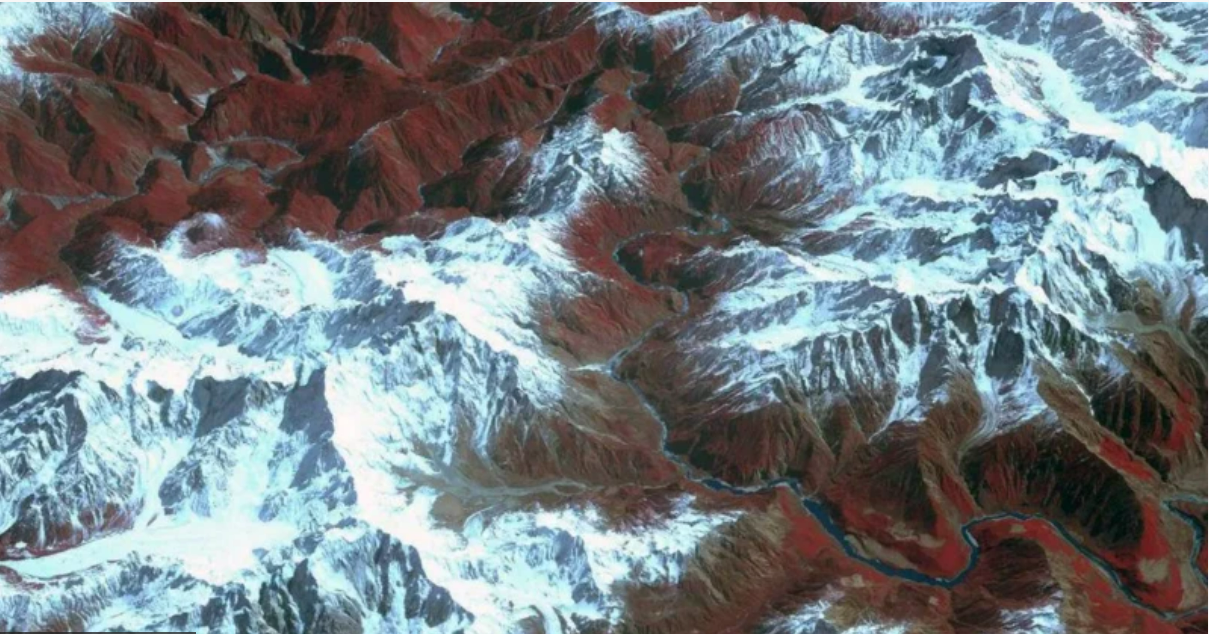
Yarlung Sangpo River flows through the Tibetan Plateau to Reach India and Bangladesh. The dam has drawn criticism for seriously impacting millions of people, the Tibetan community and the entire environment in the downstream region— India and Bangladesh.
Largest hydropower project
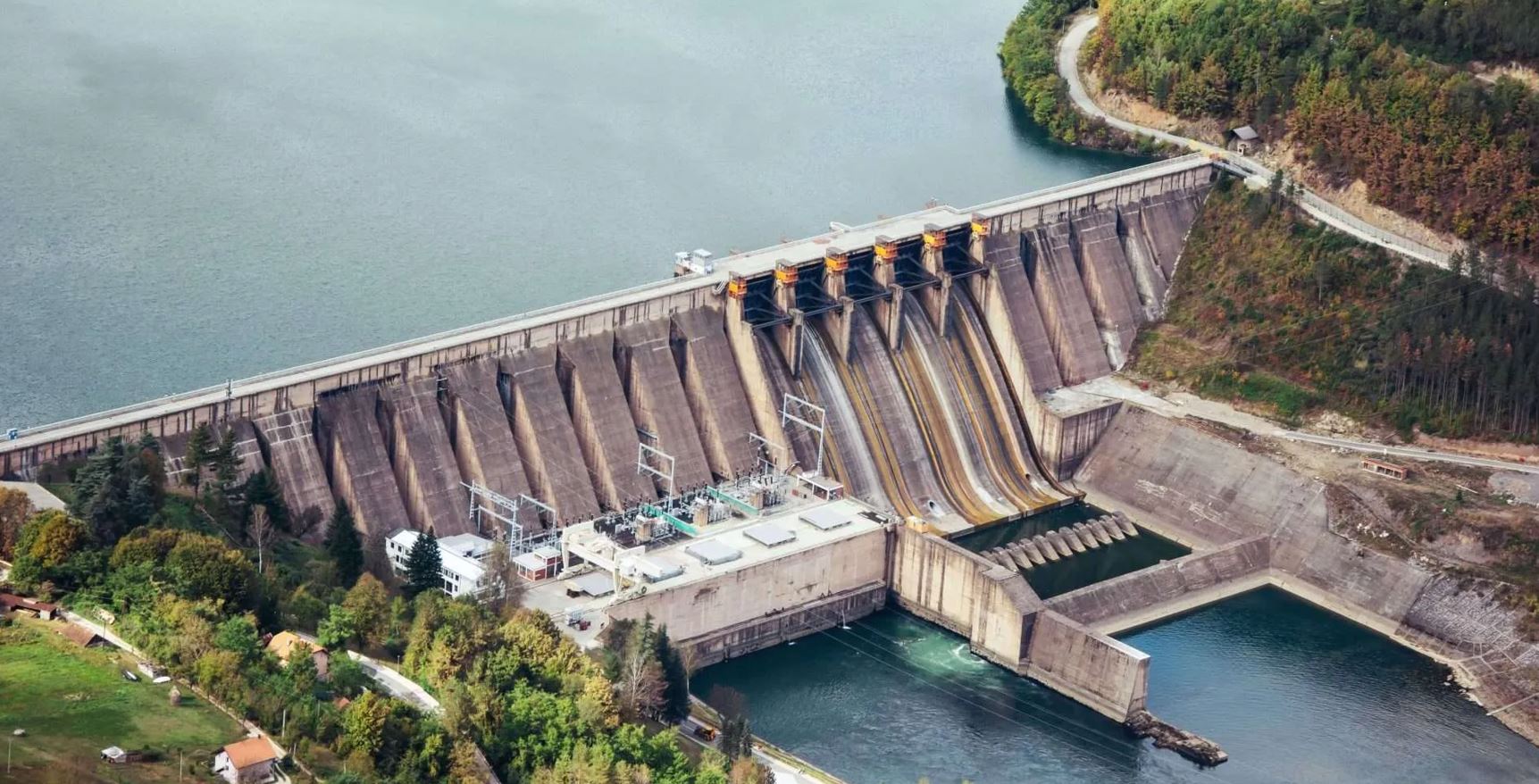
According to China, the project, named Motuo Hydropower Station, is estimated to be completed at around 1.2 trillion yuan (i.e. $ 167 billion or about Rs 1.44 lakh crore). TAG_OPEN_div_60 With the construction of the dam, it will become the world’s largest hydropower dam, overtaking China’s Three Gorges Dam. Its power generation capacity is estimated to be three times more than that of the Three Gorges Dam.
TAG_OPEN_div_59 The project was first discussed in China’s 14th Five-Year Plan. During his visit to Tibet in 2021, President Xi Jinping had announced the construction of such a mega dam.
According to
reports, five cascade hydropower stations will be built in the project. Cascade means the system of continuously generating electricity by bringing down the water in one step after another.
This project will supply electricity to the local people and also generate large amounts of electricity at the commercial level. China plans to reduce its dependence on coal and transition to green energy. China’s goal is to be fully carbon neutral by 2060. Premier Li Keqiang called it “the biggest project of the century”. But experts say China has the power to control or divert the flow of the Yarlung Sangpo River from this dam. This river flows from Tibet to Bangladesh via Arunachal Pradesh, Assam, India. In India, it is called the Siang and Brahmaputra.
TAG_OPEN_div_54 A 2020 report by the Lowy Institute, an Australian-based think tank, said: “River control over the Tibetan Plateau gives China the power to influence India’s economy. ”
Interests of India and Bangladesh
India has already expressed serious concerns with chinese authorities about the impact of this mega dam. In January 2025, the Ministry of External Affairs spokesperson had said that India has urged China to ensure transparency and consultation so that the interests of downstream countries are not disturbed. India itself is also planning to build a hydropower dam on the Siang River, which aims to avoid the risk of floods due to the sudden release of water from China.
Responding to India’s objection TAG_OPEN_div_48 s in 2020, China’s Foreign Ministry said, “China has the legal right to build dams on this river, and it also takes care of its impact on downstream countries.” ”
Bangladesh has also expressed interest in the project. In February, Bangladeshi officials wrote a letter to China seeking details.
The dam is being constructed TAG_OPEN_div_44 in Nyingchi district, close to the border of Arunachal Pradesh, India. This is the reason why many leaders in India are openly expressing interest. In a recent interview to PTI, Arunachal Pradesh Chief Minister Pema Khandu had termed it as a “water bomb”.
According to him, after the construction TAG_OPEN_div_42 of the dam, the flow of the Siang and Brahmaputra rivers can dry up to a great extent. “This is an existential crisis for our tribes and livelihoods. China can use it like a ‘water bomb’. If China suddenly releases water by building a dam, the Siang region will be completely destroyed. Land, property and life of the Adi tribes and other communities in particular can be devastatingly affected. ”
TAG_OPEN_div_40 The Congress party also posted on X (Twitter) that the dam at Nyingchi could be a threat to India. The party has expressed apprehension that China will be able to take full control of the flow of the Brahmaputra. Assam Chief Minister Himanta Biswa Sarma, however, said there was no need for too much concern. According to him, only 30-35 percent of the brahmaputra flow falls in China and the remaining 65-70 percent flow is in India. He wrote in his ex-post, “When the river enters India, its spread and flow increases. ”
Potential for environmental destruction
According to environmentalists, the project threatens to inundate tibetan valleys in which biodiversity is extremely rich. Similarly, this area is in the seismic risk zone, so that such a huge dam can be destructive in the future. Chinese officials have long been interested in harnessing Tibet’s hydropower potential. This place is located in one of the deepest and longest valleys in the world, where the Yarlung Sangpo River takes a sharp U-turn near Mount Namcha Barwa. According to a report in Xinhua news agency, a large part of the electricity generated from this project will be sent out of Tibet, although local needs will be taken care of.
TAG_OPEN_div_35 China has long been engaged in a strategy to build hydropower projects in western rural areas, especially in the Tibetan region, to meet the power needs of the country’s eastern metropolises.
The Chinese government and state media refer to these projects as ways to reduce pollution, provide clean energy, and support the economic advancement of the rural Tibetan people. But activists say the dams are a new exploitation of Tibetan land and communities.
















प्रतिक्रिया दिनुहोस्