


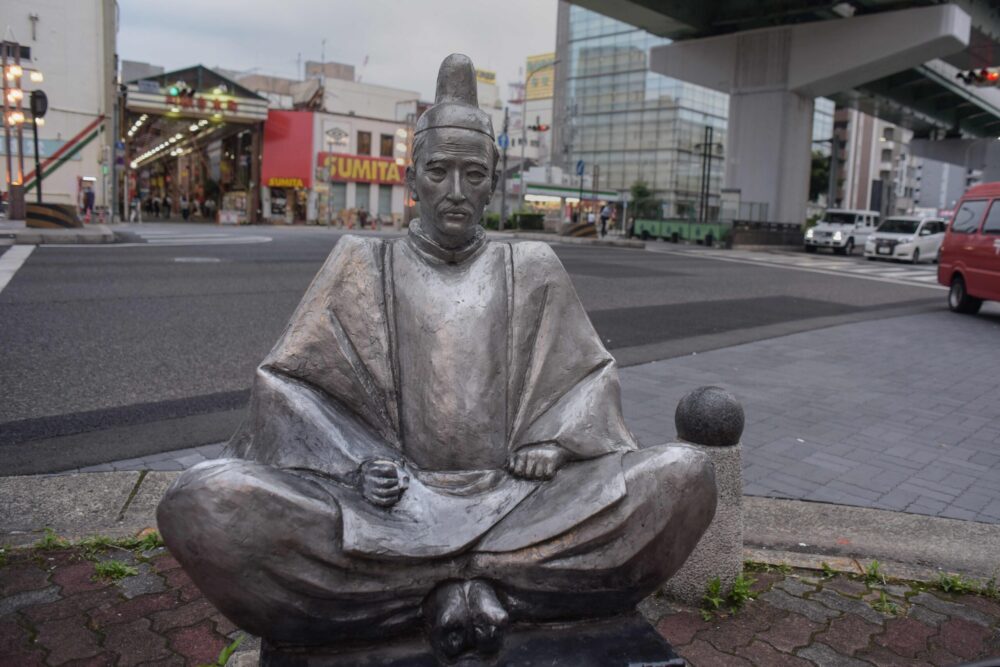
Tokyo. The beheading of a statue of 16th-century strongman and samurai Toyotomi Hideyosi was beheaded outside a shopping arcade in Japan on Wednesday. This information has been received through shop officials and media reports.
Toyotomy Hideoshi unified Japan in the 16th century. He is also known for his failed attacks on the Korean peninsula.
The Association of Andoji Shopping Arcade in Nagoya considers the statue as a symbolic figure of the community. A member of the association said, “We are considering registering a report of the damage with the police. ’
He, however, added that there was no information on who caused the damage and why. Other militant statues outside the shopping arcade have also been vandalized in the past. All these idols were donated by a real estate company in 2013.
In 2022, a statue of Tokugawa Iyasu, tokugami’s rival and founder of the Tokugawa Shogun regime (Edo era), was dropped and a hole was drilled in it. Earlier in 2019, a statue of another famous chieftain, Oda Nobunaga, was found handless.
Hideoshi, Iyasu, and Nobunaga are japan’s most famous feudal chieftains. They struggled to unite Japan by ending a period of nearly 100 years of warring states.
In recent years, statues of historical figures have become a subject of controversy in other countries as well. In particular, there has been a fierce debate about statues of people associated with colonialism and slavery.


















प्रतिक्रिया दिनुहोस्