


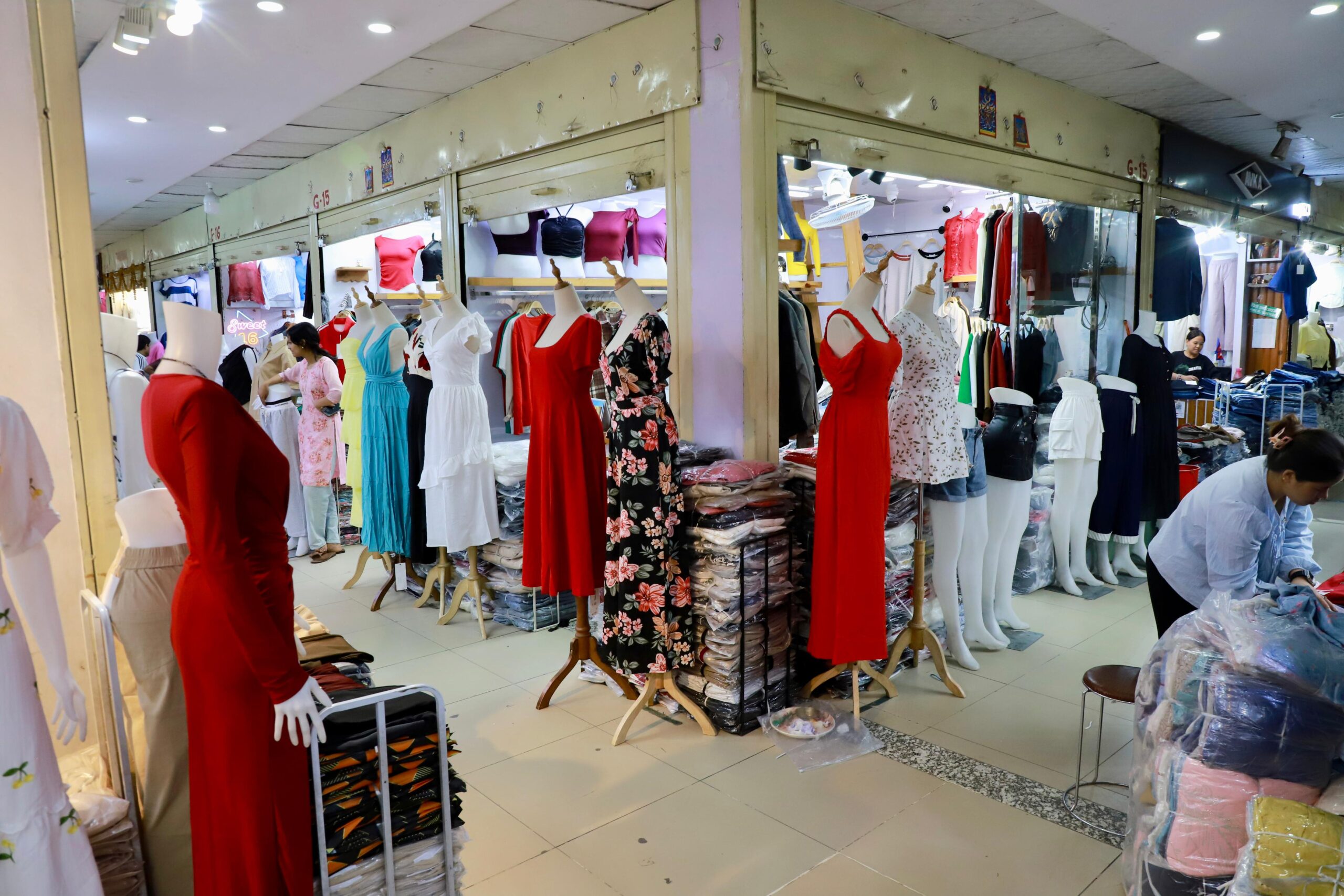
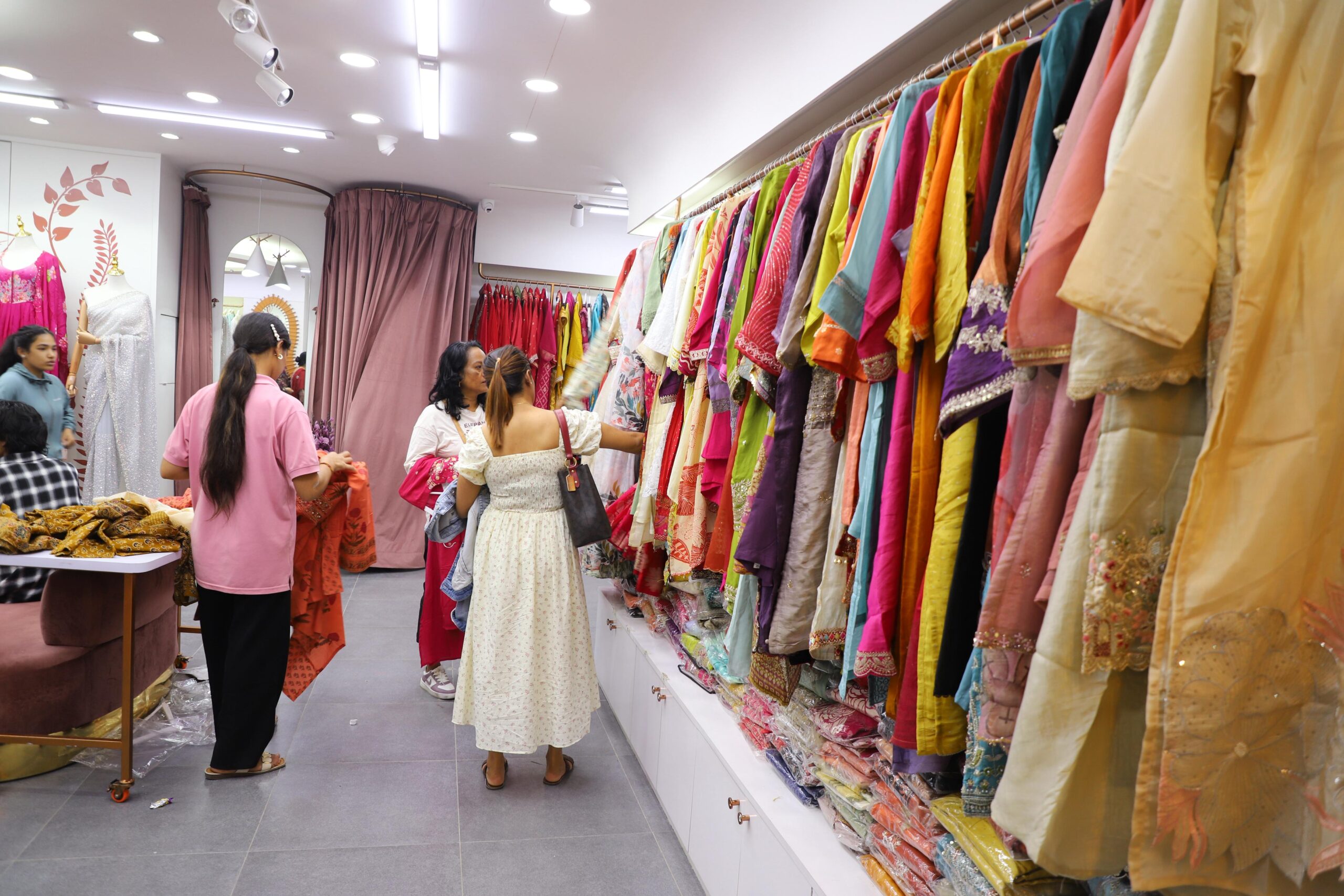
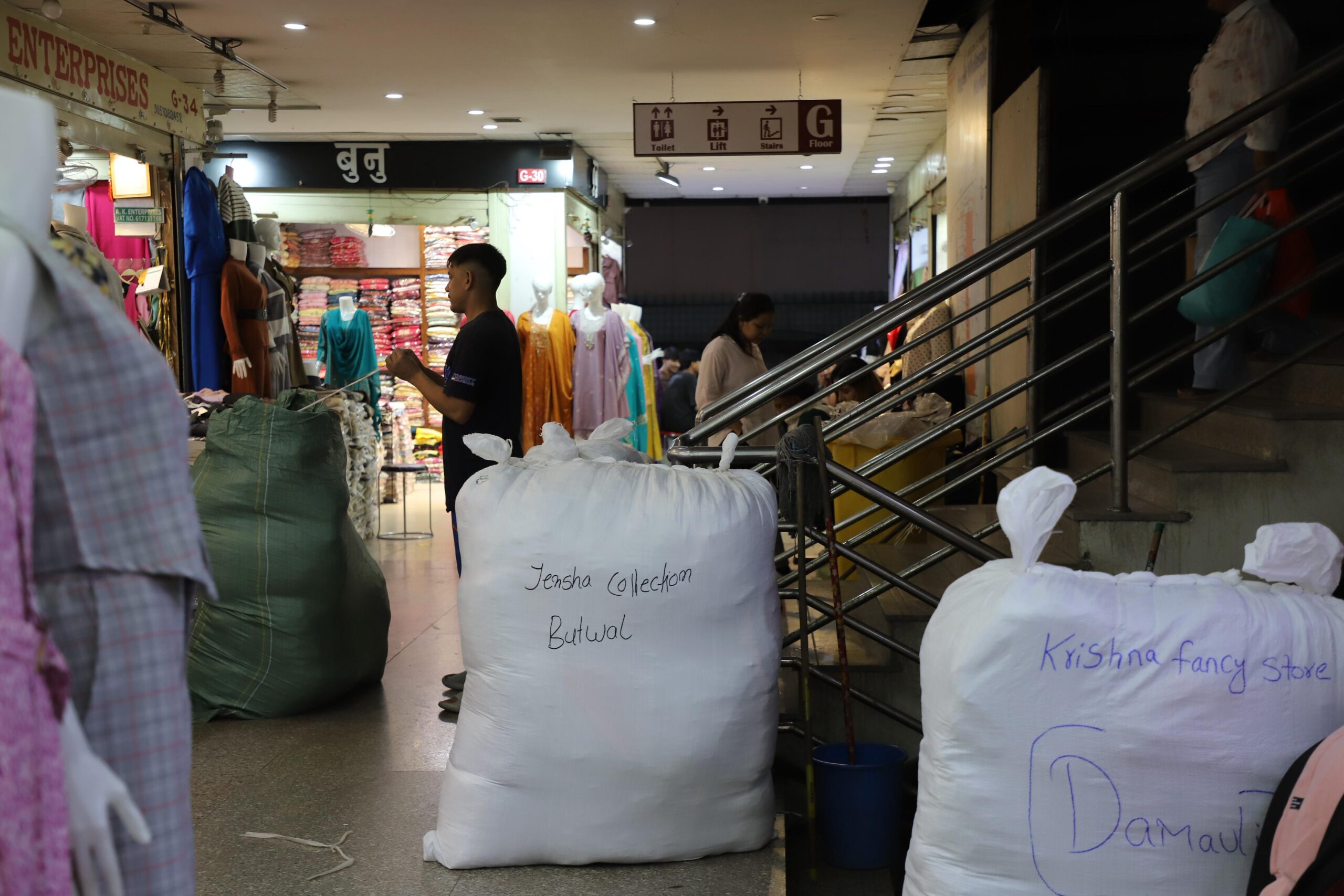
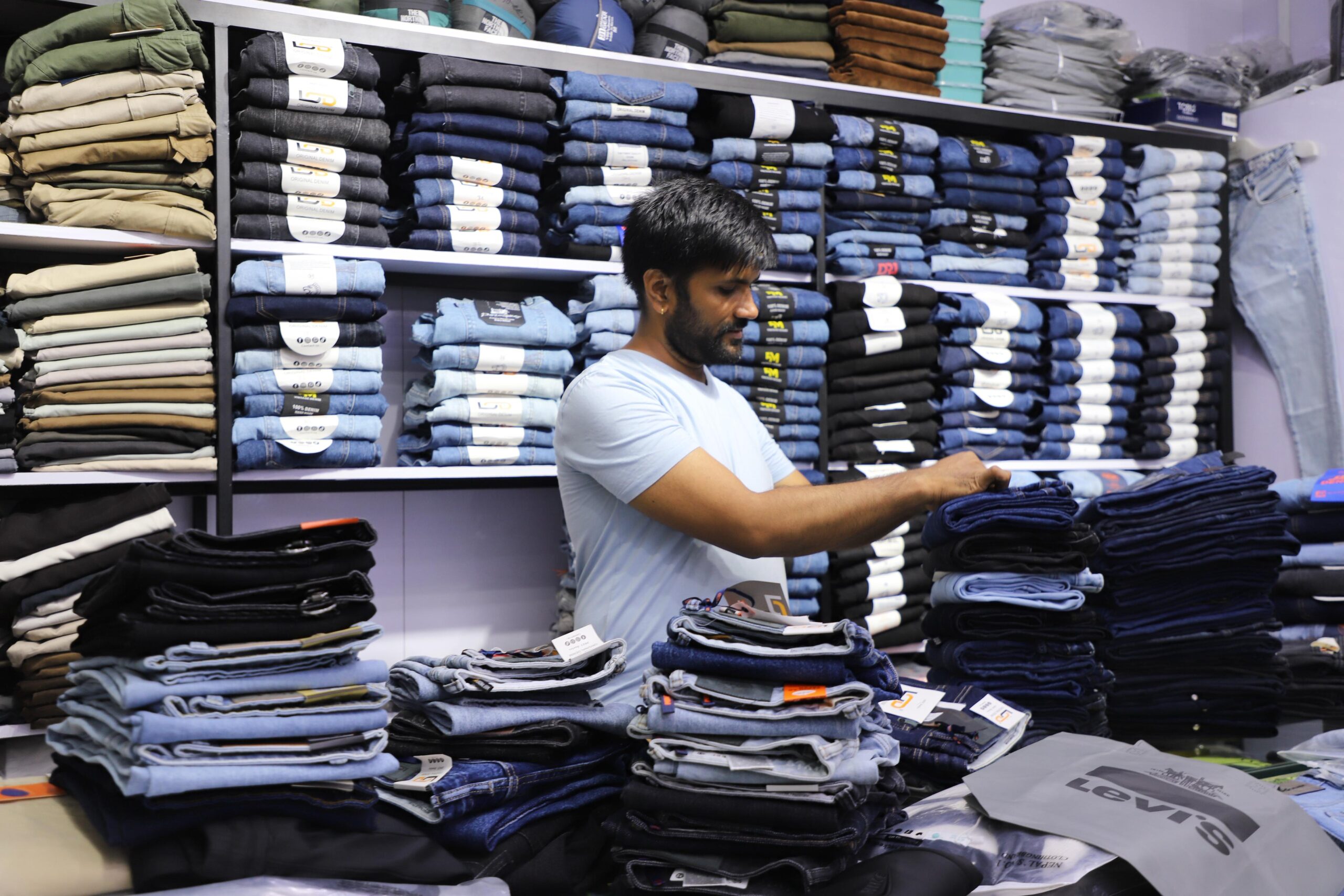
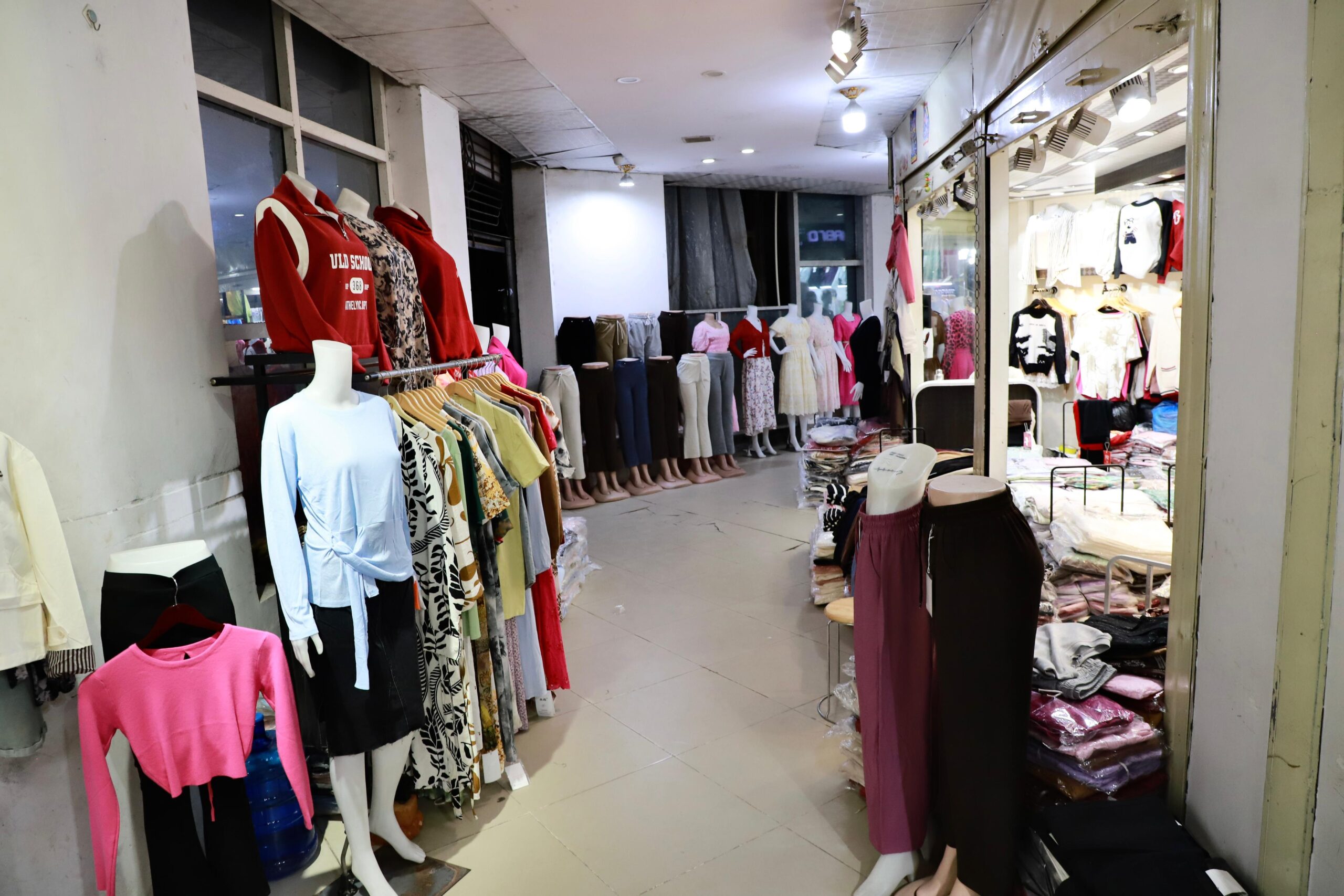
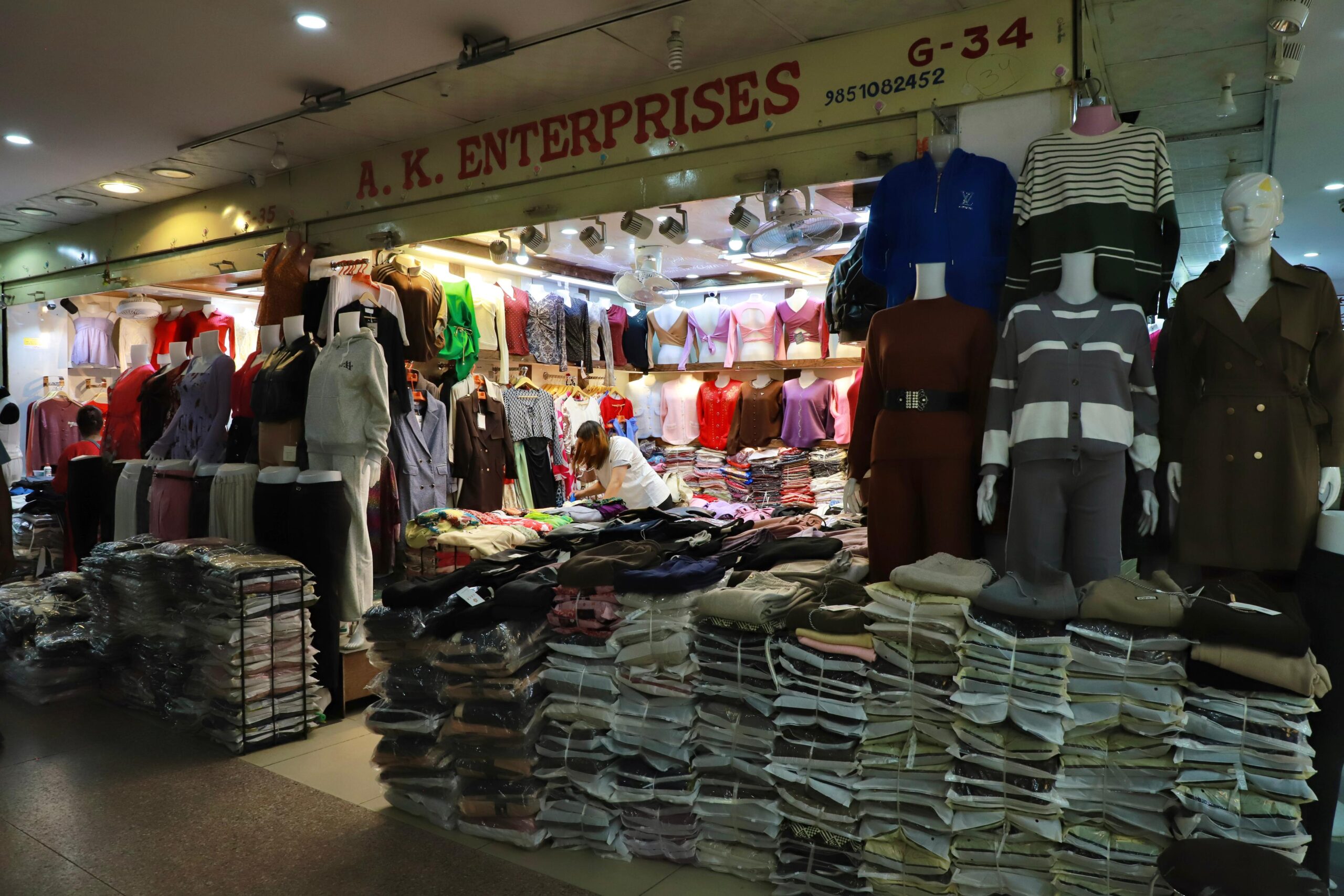
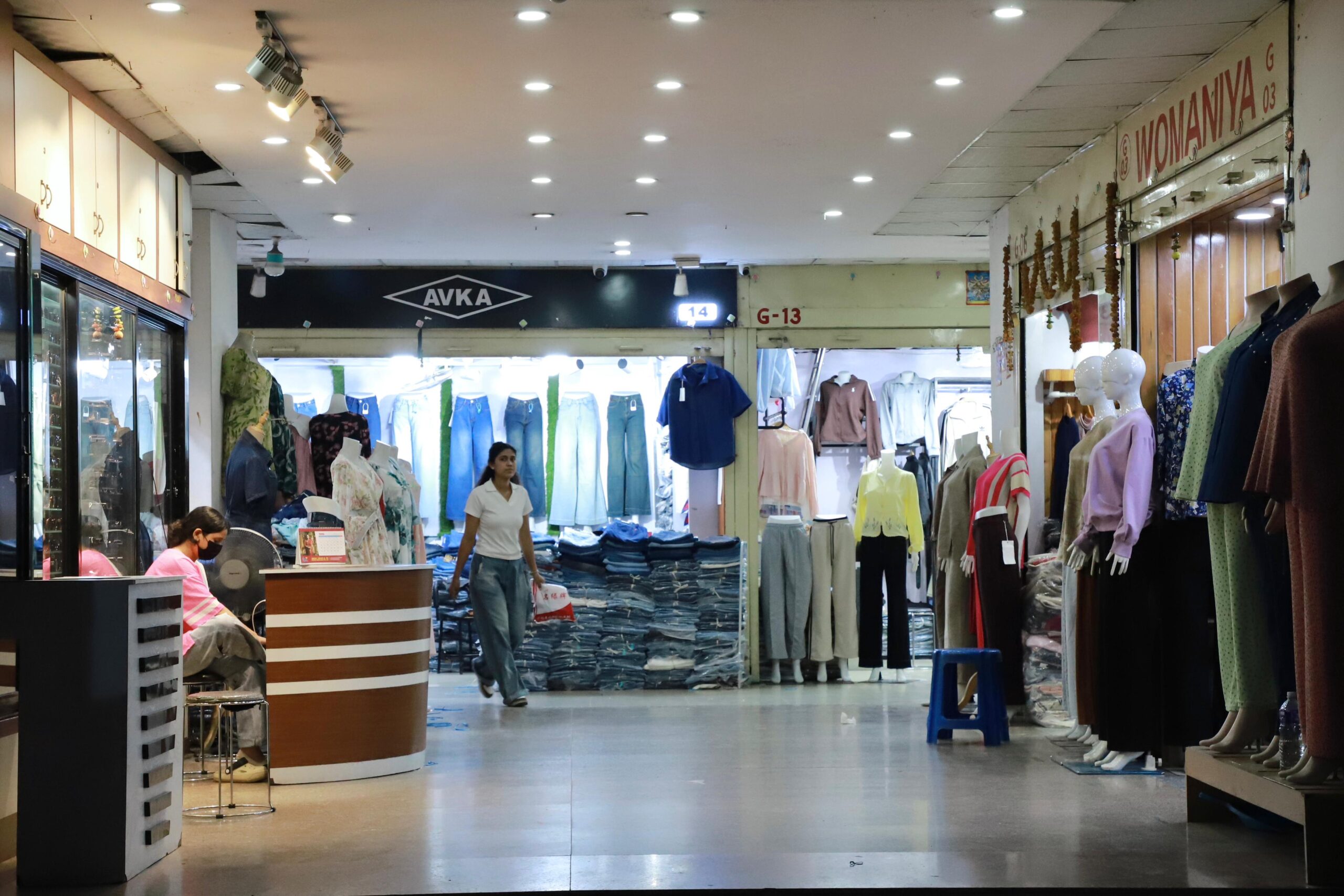
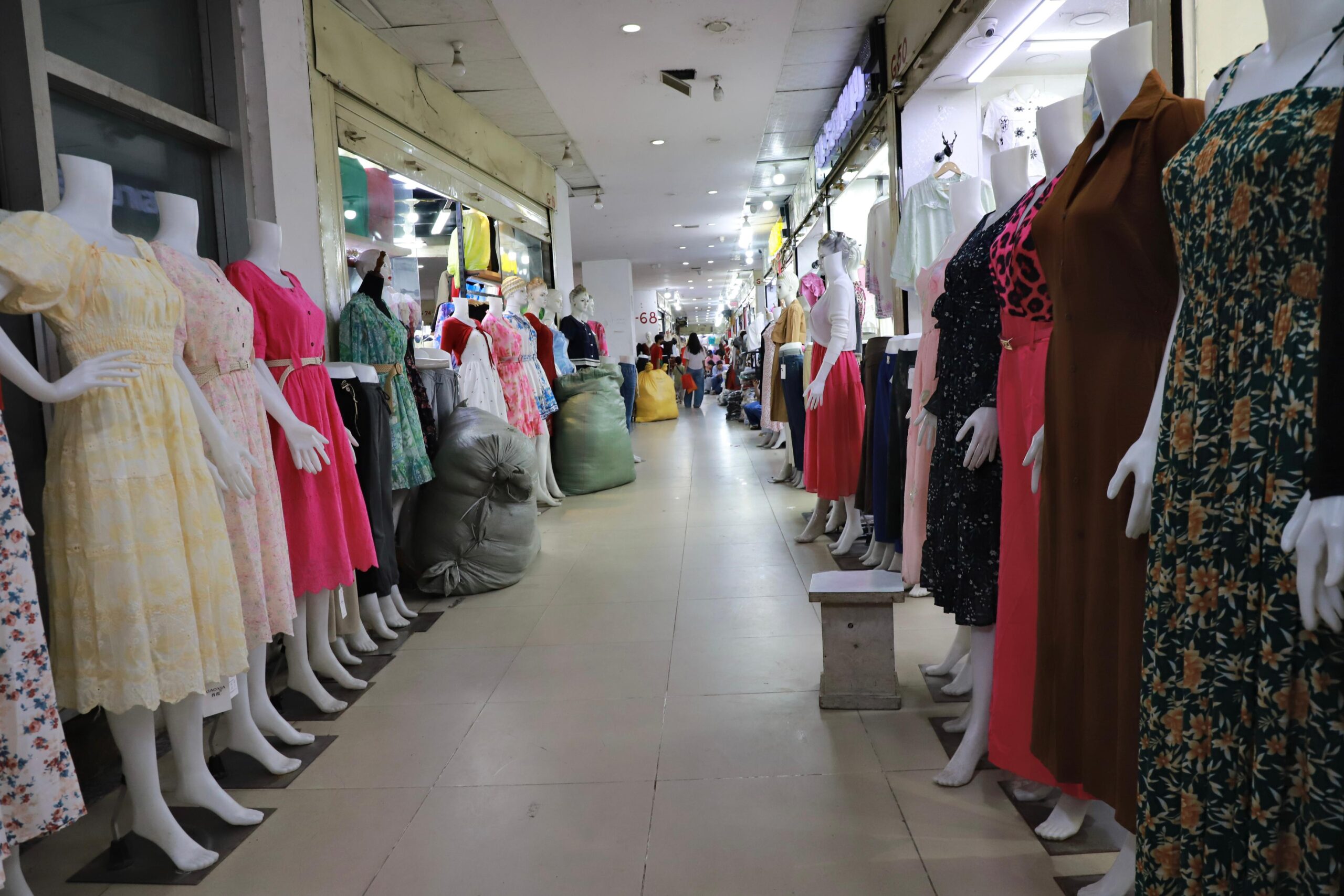
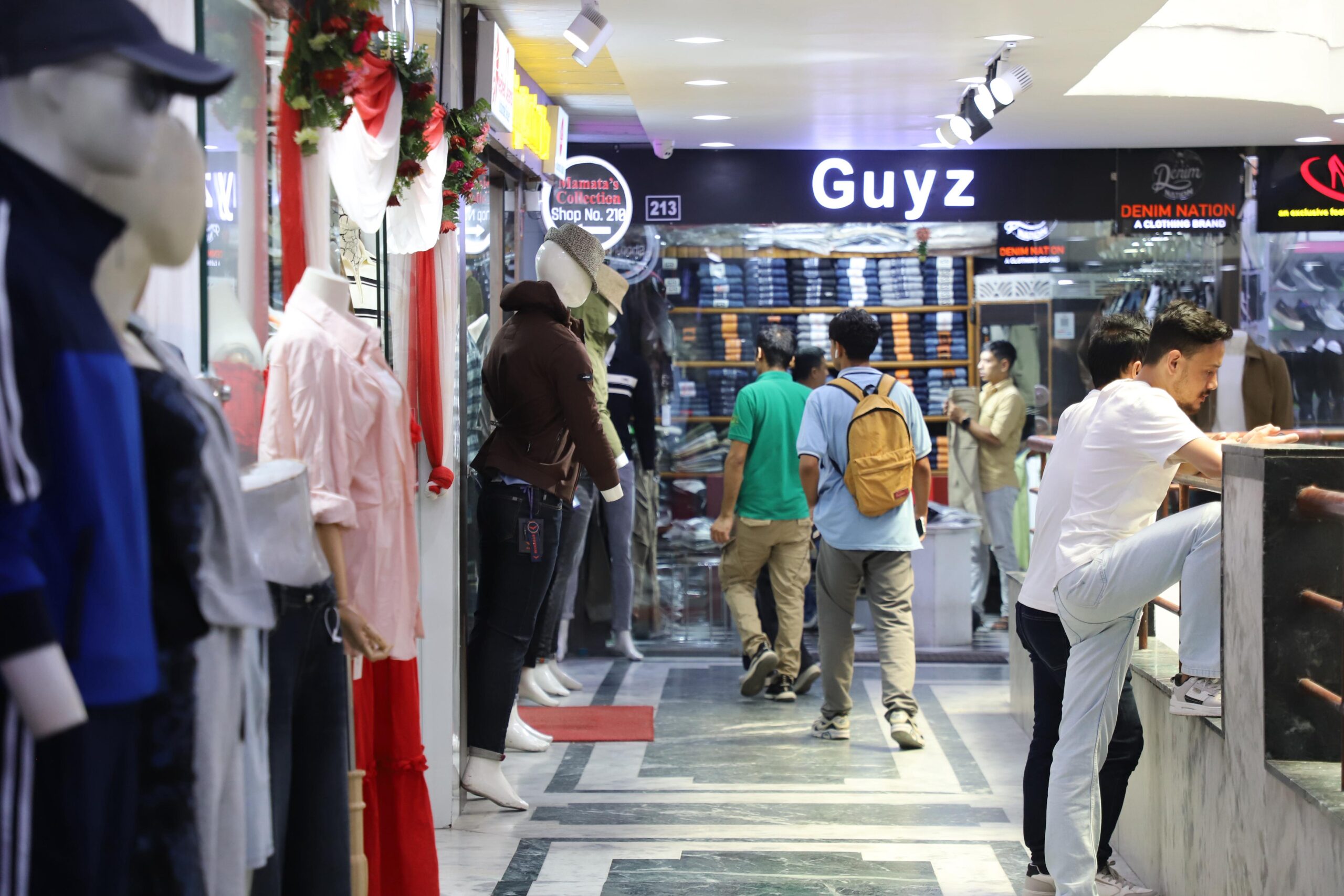
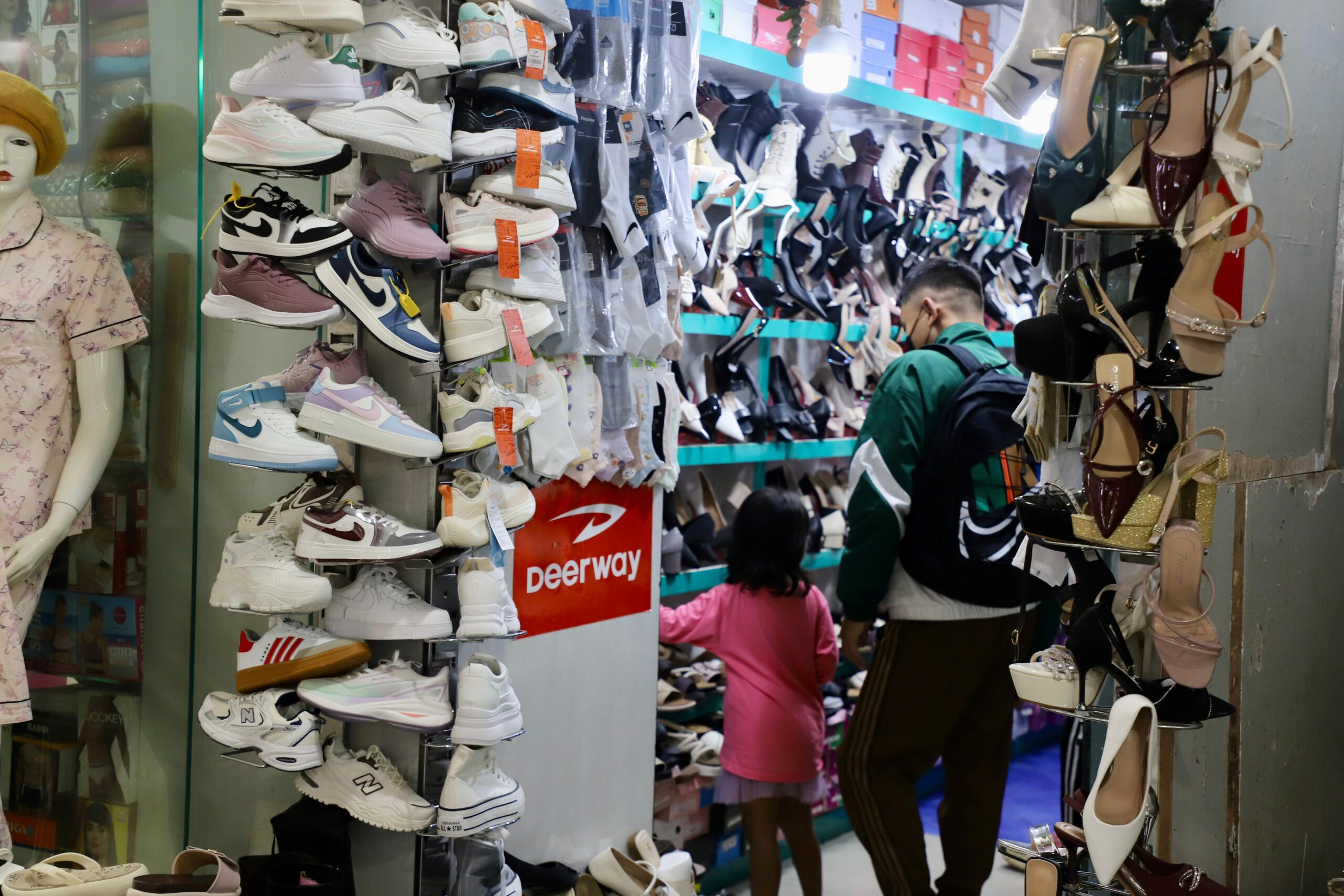
. Dashain has already begun. The festive atmosphere is being seen all over the country. Traditionally, the big markets and malls in the capital were not able to handle the crowd of customers during this time. But this time, there is no such excitement. Instead of getting crowded, the markets are open but deserted, shops are short of customers and traders seem frustrated.
Short Sales’
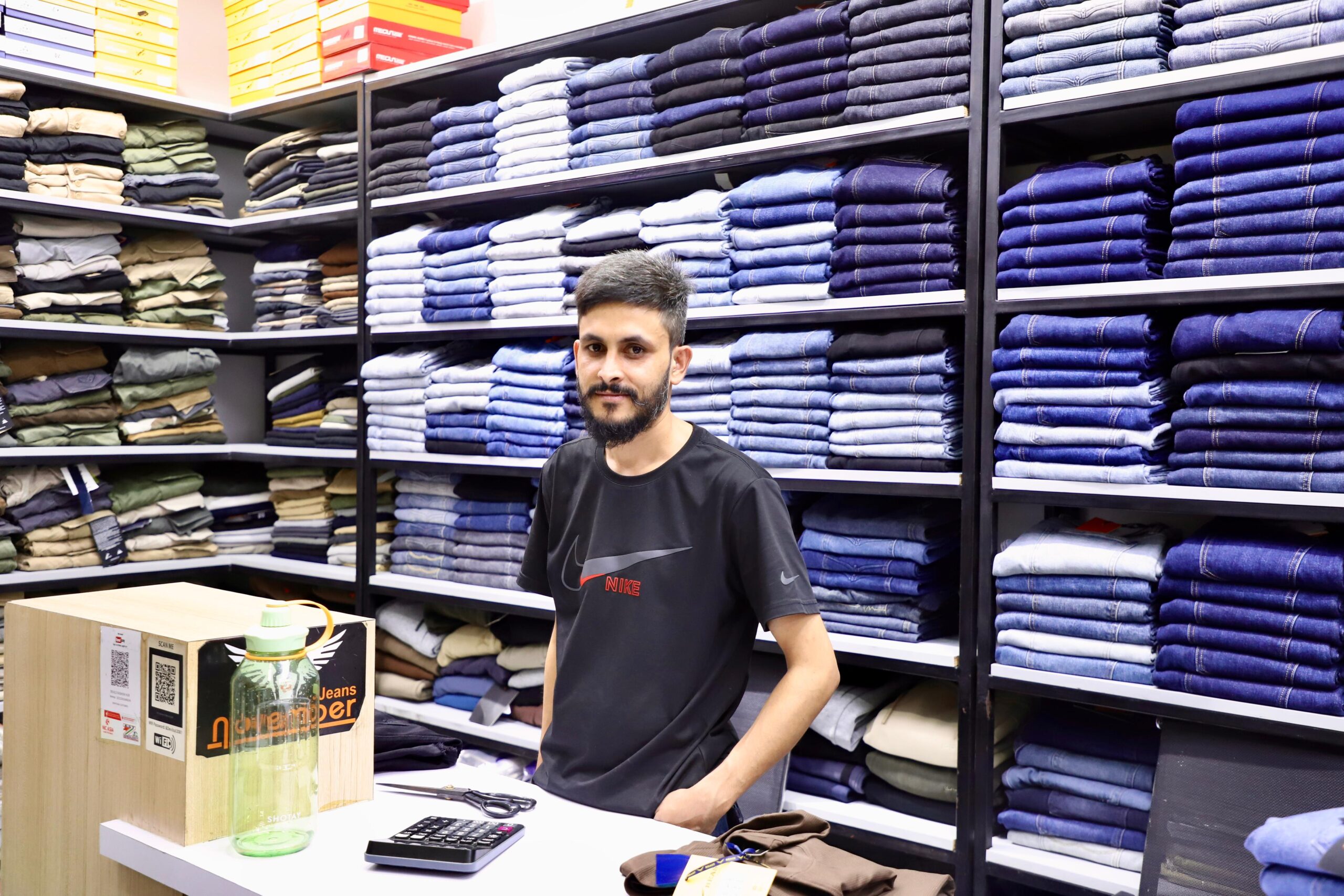
Nabina Pradhan Shrestha, who has been running a wholesale market in Mahabouddha for the past 20 years, said, “My business is selling the lowest so far. It has decreased by about 60-70 percent. Political instability, transportation problems, and economic recession have all been affected. But the biggest impact has been the closure of the border with China, because we all depend on Chinese goods. ”
According to Nabina, they are currently selling the remaining stock of the previous year. There is a shortage of clothes and other goods in the market as there is no facility to bring new goods. ”There is no land transportation, it cannot be brought by sea. It’s a lot more expensive to bring in by air — about $6,” she said.
cannot compete even if local production saves
Customers have been pushed towards local products due to lack of goods from China. But due to lack of quality, it is not possible to compete. ”People have noticed the local products, but their finishing is not good,” says Nabina. You can’t compete. They have no alternative but to local production. ”
Manoj Kumar Gupta, another businessman from Mahabouddha, is also worried. ”Compared to last year, the business has dropped drastically. The goods have not arrived since the border with China was closed. I don’t know when it will open. So it’s very difficult,” he said.
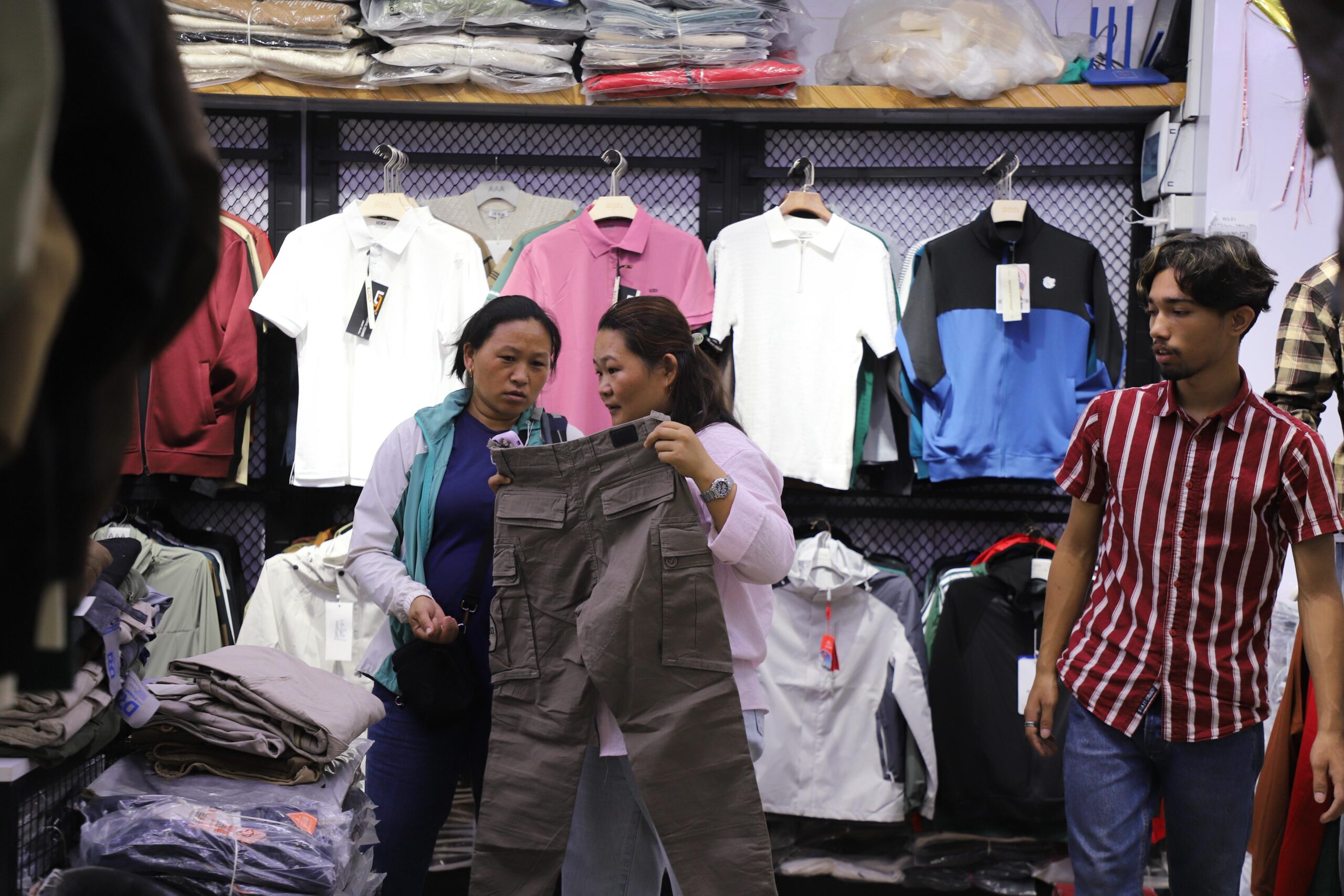
According to Gupta, customers have also stopped coming to the market after understanding the situation. ”People are looking for new designs, new styles. But we have old stuff in our hands. So it’s hard to entice them,” he said.
A small amount of goods brought by air costs about Rs 150 more than normal. But even that is not a guarantee of regular supply. “Maybe something will come by winter, but there is no possibility of it coming in Dashain,” he added.
Slowdown in malls
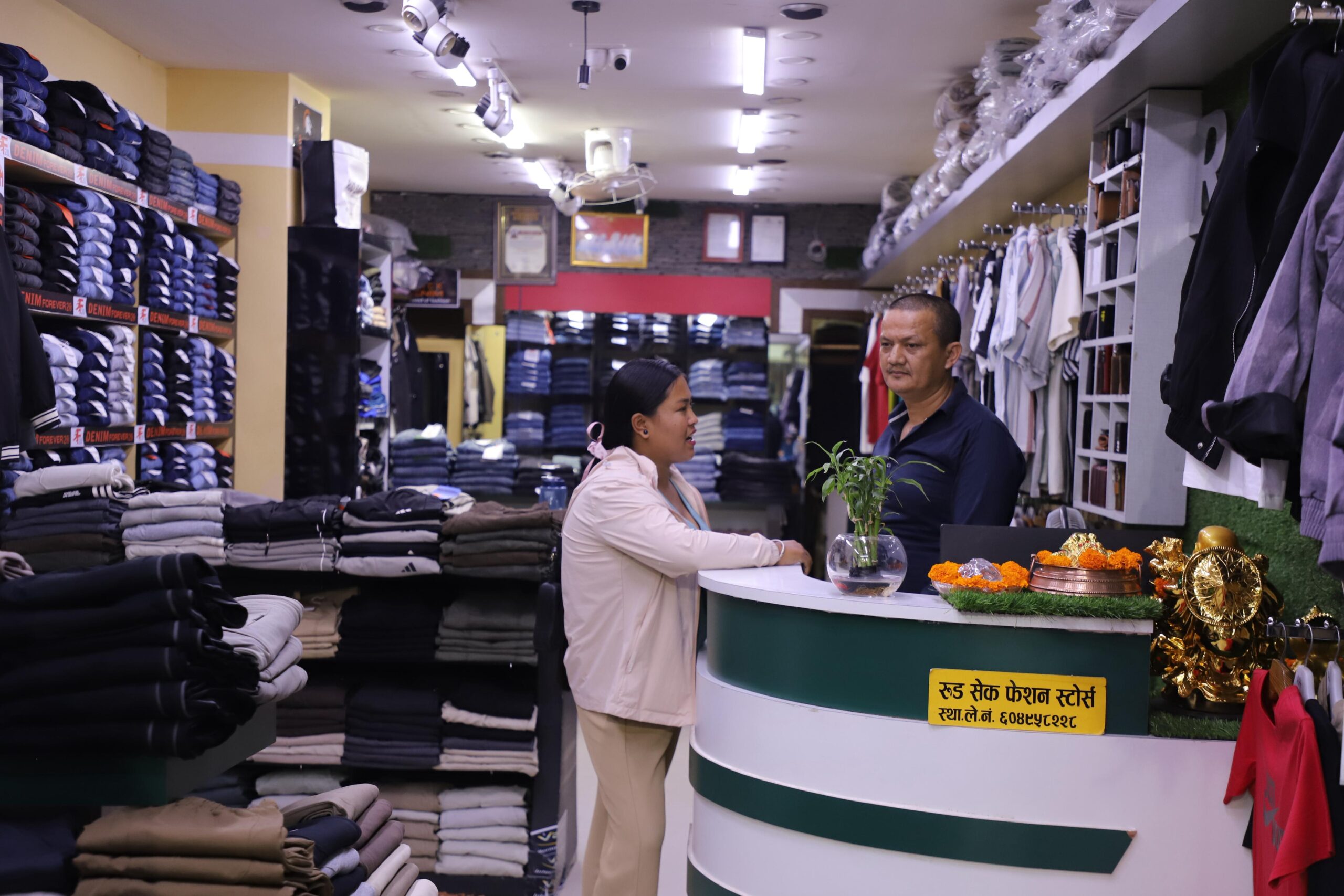
The situation is similar in the capital’s big malls. Deepak Khanal, a trader at Kathmandu Mall, said, “This year, the business is very low during Dashain, almost 50 percent less than last year. There are many reasons — agitation, youths going abroad, reduced purchasing power of customers. Supply is not a problem, but there are fewer customers. ”
According to him, the competition in the mall has increased tremendously. ”It’s been very difficult to compete with other stores. It is expensive to bring Chinese goods by air. This is the most difficult year to meet the sales target in Dashain,” he said.
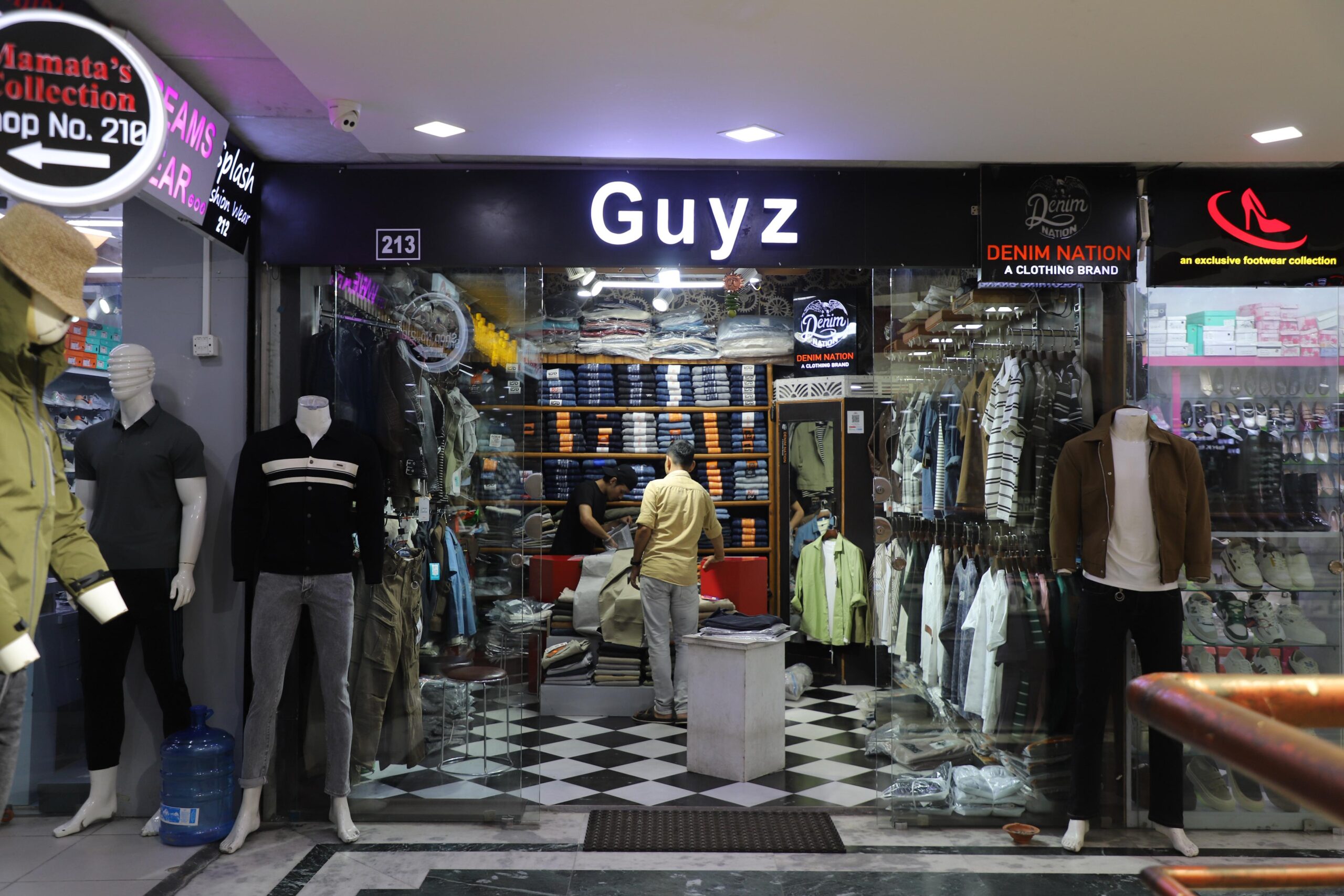
Prakash Thapa, a trader at Civil Mall, says, “It’s almost the same here — the turnover is low. The Genji movement, the departure of customers abroad, the economic downturn—all have had an impact. The closure of China’s border has not made much difference, as goods are coming through alternative routes. But the mall seems to be empty, not as bustling as last year. ”
Lowest movement in the last 30 years
}
The president of the National Trade Association said, “This year’s Dashain festival has seen the lowest number of people in the last 30 years. Although Dashain is the biggest festival of Nepalis, the traditional hustle and bustle has been lost in the main markets and malls of the capital this year.TAG_OPEN_span_50 Political instability, China border blockades, protests, youths’ lust for foreign employment, and economic slowdown have dampened the excitement of the market.
Images: Mamun KC
















प्रतिक्रिया दिनुहोस्