


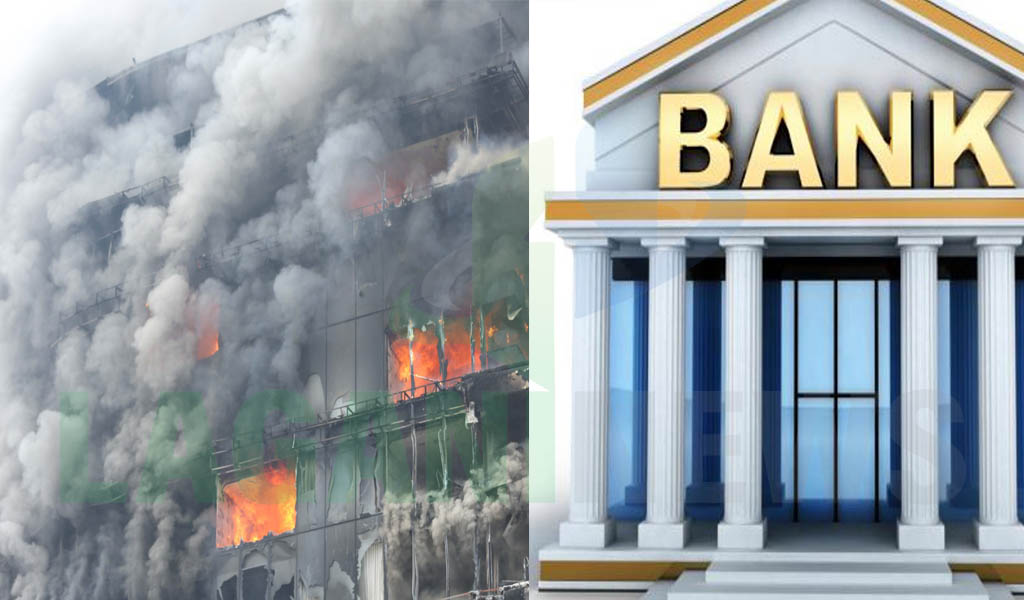
Kathmandu. The Jenji agitation is likely to hurt the tourism business. It is said that when there is a shock in the business, it will also affect the bank.
Entrepreneurs say that the inflow of foreign tourists may decrease due to the insecurity created by the agitation. Due to the decrease in tourist arrivals, those doing business by taking loans will find it difficult to repay the loan of the bank. There is a possibility that the bad loans of the banks will increase as the tourism and hotel entrepreneurs are not able to repay the loans on time.
Nepal’s tourism sector, which is slowly recovering from the COVID-19 pandemic, is likely to be in trouble again due to the Genji agitation. Tourism entrepreneurs believe that the agitation that has intensified in major cities of the country with the demand of social justice, good governance, employment opportunities and a corruption-free society has unexpectedly affected the tourism industry. As the crisis in the tourism business deepens, the investment made by banks and financial institutions is also in crisis. As a result, the risk of bad loans of banks and financial institutions has increased.
The contribution of tourism to Nepal’s economy is around 2 percent. Currently, around 7 lakh tourists visit Nepal every year. According to the National Planning Commission, the target was to increase tourist arrivals to 2.5 million annually by the fiscal year 2085/86. It was expected that the contribution of tourism to Nepal’s GDP would be 7 percent by the fiscal year 2085/86. However, tourism entrepreneurs believe that it has suffered a setback.
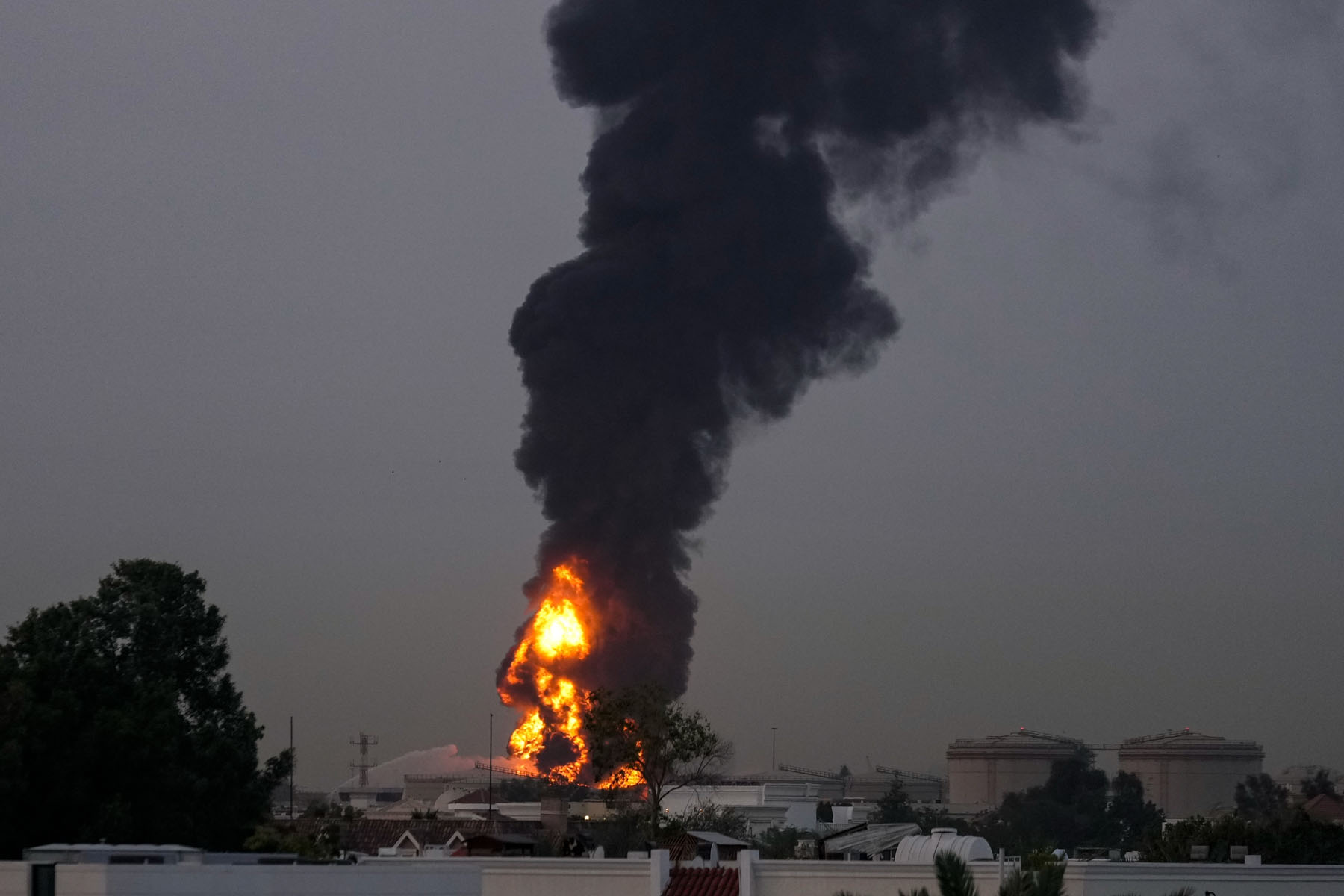
The multinational hotel company has collapsed due to the Genji movement. Companies including Hilton and Hyatt Regency Hotel have been set on fire during the protests. According to the Hotel Association of Nepal, around 2 dozen hotels have suffered major damages in the Zenji agitation. According to the association, two dozen hotels across the country have been damaged and more than Rs 25 billion has been damaged. “The hotel that was directly damaged is being assessed. Insurance covers the loss of the insured company. “However, the tourism and hoteliers who have not suffered losses during the agitation have been facing more difficulty,” said a hotelier. Due to this agitation, up to 30 percent occupancy has been canceled. ’
According to Sagar Pandey, president of Trekking Agencies Association of Nepal (TAAN), the number of tourists visiting Nepal has dropped by 30 to 40 percent due to the Genji movement. “This is the tourism season. There was a protest during the season,” he said, adding, “It is estimated that this year’s tourism business will suffer 30 to 40 percent loss.” ’
He said that the agitation has affected the employment of youths as well as business. According to him, the recent political instability has had a huge impact on the tourism business. He said that Nepal’s tourism sector has become like a malnourished child after the arrival of multi-party parties. He said, “Nepal is growing at a very slow pace in the tourism sector,” he said. In 1998, 463,000 tourists visited Nepal, but now only 1.15 million tourists have visited Nepal. ’
Before visiting any country, foreign tourists seriously evaluate the peace, security situation and political stability of the country. The picture of instability seen in Nepal has also found a place in the international media, which is attracting potential tourists to comparatively peaceful and stable destinations other than Nepal.
October-November is the peak tourist season in Nepal. Entrepreneurs say that they have to cancel the bookings of foreign tourists even when the tourist season is about to start. There has been a significant drop in the number of tourists especially in the Everest region, Annapurna Circuit, Langtang and other trekking routes. “Tourists who come for a long trek have planned months in advance. Any obstacle during the journey spoils their entire schedule, due to which many have decided to go elsewhere instead of traveling to Nepal,” Pandey said.
Concern about increasing bank bad loans
}
The problems seen in the tourism and hotel business have increased the risk of affecting the financial system of Nepal. Nepalese banks and financial institutions have invested huge amounts of loans in sectors such as tourism, hotels, agriculture, hydropower, and real estate. During the Covid pandemic, the rate of bad loans in these areas increased significantly. In order to mitigate the impact of COVID-19, the NRB had managed the business by restructuring and rescheduling it. However, the current situation has raised concerns among bankers that the same bad loans could rise again. However, the central bank has also made arrangements for loan restructuring and rescheduling on Friday for the businesses damaged by the Genji agitation. However, it only covers the businesses that have been damaged.
“There was a problem in the business during the season due to the agitation. This reduces income. As soon as the income decreases, it becomes difficult to repay the loan,” Pandey says, “50 to 60 percent of our income is spent on operating expenses.” Similarly, you have to pay tax and pay the interest rate of the bank. In the last few years, the bad loans of banks and financial institutions have been on the rise. A banker says that this movement has added more challenges to the banks.
According to the statistics made public by Nepal Rastra Bank, the ratio of bad loans in the banks and financial sector is currently 4.62 percent. The NPA of commercial banks stood at 4.44 per cent while that of development bank was 5.05 per cent. According to the Nepal Rastra Bank, the bad loans of finance companies have increased to 11.05 percent.













प्रतिक्रिया दिनुहोस्