


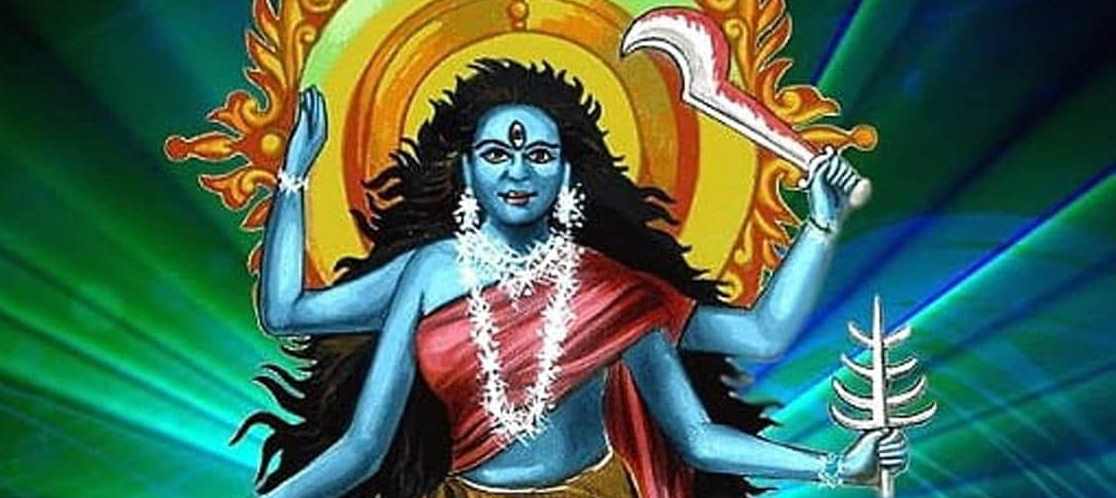
Kathmandu. On the eighth day of Navratri, Goddess Kalratri, the seventh of the nine goddesses, is worshipped in the house of worship today.
Although there is a Vedic tradition of worshiping Goddess Kalratri on the seventh day of Ashwin Shukla Saptami i.e. Durga Paksha every year, this year the fourth date has been extended to the eighth day, according to the Nepal Calendar Determination Development Committee.
Death destroys all living beings. It is believed that Goddess Bhagwati destroys such a period. The form of such a goddess is called Kalratri. It is mentioned in various Puranas that Kalratri is of Krishna complexion and has a fierce shape. This goddess is called Kalratri because she destroys living beings.
On the first day of Navratri, Monday, September 20, a barley jamara was kept in the Dashain house or worship room according to the Vedic rituals. On the same day, Shailputri, the first goddess among the nine goddesses, was invoked and worshiped at Ghatasthapana.
Goddess Brahmacharini was invoked on the second day of the temple on Tuesday and on the third day on Wednesday, Goddess Chandraghanta was worshiped with devotion. Goddess Kushmanda was worshiped on the fourth day of the day on Thursday and on the fifth day on Friday. This year’s Navratri has become Dasharatri due to the increase in the fourth date. Goddess Skandmata is worshipped on the sixth day on Saturday and Goddess Katyayani is worshipped on the seventh day.
Goddess Kalratri is worshipped on the eighth day of Navratri today. During the nine days of Navratri, Durga Saptashati (Chandi), Shrimad Devi Bhagwat and Devi Stotra are recited at the site of Ghatasthapana. There is a religious belief that worshiping the Goddess during Navratri brings power, prosperity and knowledge. The prasad that is offered for nine days is offered from Bijaya Dashami to Kojagrat Purnima. In this way, Nepalese celebrate Bada Dashain festival for 15 days.
















प्रतिक्रिया दिनुहोस्