


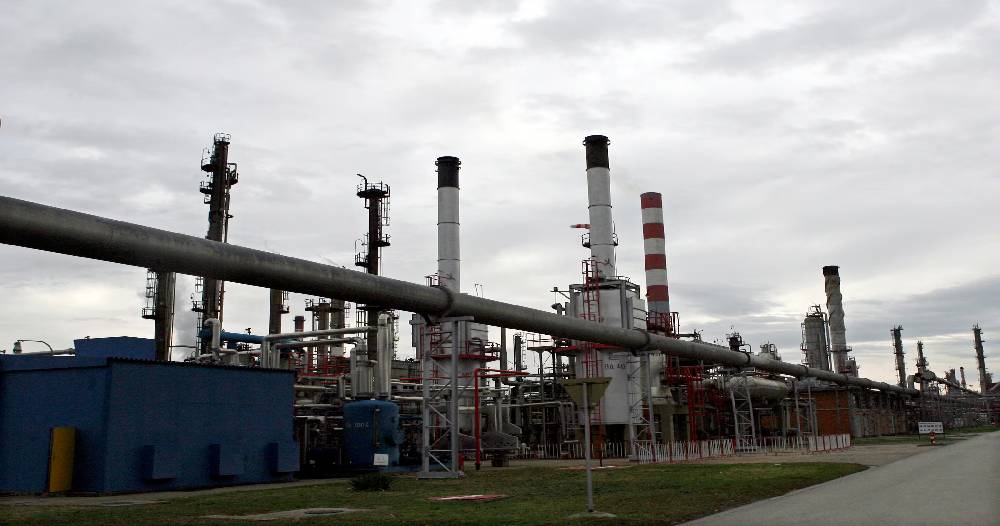
Belgrade. After months of delays, U.S. sanctions on Serbia’s Russian-owned NIS oil company took effect on Thursday. The company is the sole refinery operating the country’s sole refinery.
The United States placed Serbia’s petroleum industry NIS on the sanctions list in January this year to tighten controls on Russia’s energy sector following Moscow’s invasion of Ukraine in 2022. However, the implementation of the decision was delayed for some time.
According to the company, the ban came into full effect after the expiration of the special license issued by the US Treasury at 6 a.m. on Thursday. “We are working closely with the US Department of the Treasury to remove it from the sanctions list,” the NIS said in a statement. The company said it has sufficient crude oil reserves for refining and all types of fuel are available at petrol pumps.
President Aleksandar Vucic warned on Monday that the sanctions would have “serious consequences”. According to him, its first impact will be seen in the banking sector. “No bank in the world is willing to take the risk of violating U.S. sanctions,” he said. According to the NIS, petrol pumps in Serbia will only accept domestic cards and cash. Foreign payment cards are expected to “stop working”.
Vucic also said talks were underway on the company’s future and the possible divestiture of Russian shareholders. Belgrade-based economist Goran Radosavljevic said the impact of the ban could be widespread, as the NIS supplies 80 percent of Serbia’s diesel and gasoline. “It could affect everything from the financial sector to agriculture and Air Serbia’s jet fuel supply,” he warned. ’
According to him, the financial institutions should immediately stop all transactions and cooperation with the NIS, otherwise there is a risk of being included in the list of banks dealing with banned entities. Radosavljevic said a complete exit of Russian ownership from the company could be considered as a possible solution, but it was “extremely difficult”. “Russia doesn’t want to sell its shares,” he said. Although the NIS is a small fraction of Gazprom’s revenue, its political significance is huge. ’
Serbia maintains close ties with Moscow despite Western pressure. Serbia is seeking membership in the European Union (EU), but has not yet imposed sanctions against Russia. Serbia is heavily dependent on Russian gas.
Negotiations are underway for a new gas supply agreement signed in the spring of 2022, according to government sources. Currently, Gazprom Neft owns 45% of the NIS, the Government of Serbia holds about 30% and the remaining shares are held by minority investors.












प्रतिक्रिया दिनुहोस्