


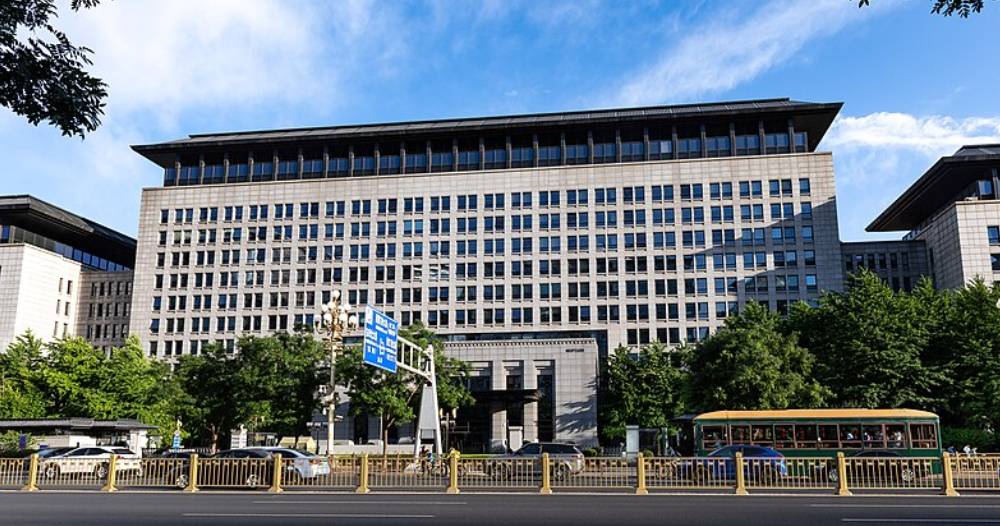
Beijing. China’s commerce ministry said on Sunday it would temporarily suspend restrictions on certain strategic items exported to the United States. This includes dual-use materials such as gallium, germanium, antimony, and superhard materials.
According to a statement issued by the ministry, the suspension applies to the second section of China’s 2024 Declaration No. 46. It will be postponed from November 9, 2025 to November 27, 2026. The clause specifically prohibited the export of such materials to the U.S. and mandated stricter vetting procedures for items such as graphite.
However, the Ministry of Commerce has clarified that the temporary suspension will only affect the second part of the announcement. The first clause banning the export of dual-use items to U.S. military users or military purposes remains in place.
According to China’s Global Times, this decision has come as a result of the recent high-level talks between China and the United States. China’s export control law, issued in December 2024, warned of legal action if any entity or individual unauthorized handover dual-use goods of Chinese origin to U.S. entities.
Meanwhile, U.S. President Donald Trump and his Chinese counterpart Xi Jinping held talks in Busan, South Korea, earlier this month.
Under the agreement, China agreed to temporarily lift export controls on rare earth elements and other critical materials, end retaliatory tariffs and non-tariff measures on U.S. products that have been in effect since March 4, and review some trade sanctions, according to a fact sheet released by the White House on Nov. 1.
Instead, the U.S. decided to slash up to 10 percent of some tariffs on Chinese imports from November 10 this year, extend the Section 301 tax exemption until November 10 next year, and temporarily suspend investigations into China’s maritime and shipbuilding sectors.
China also agreed to allow Nexperia to resume operations at its manufacturing facilities in China and suspend investigations into U.S. semiconductor companies. Analysts see the move as an attempt to partially ease trade relations between the two countries.


















प्रतिक्रिया दिनुहोस्