


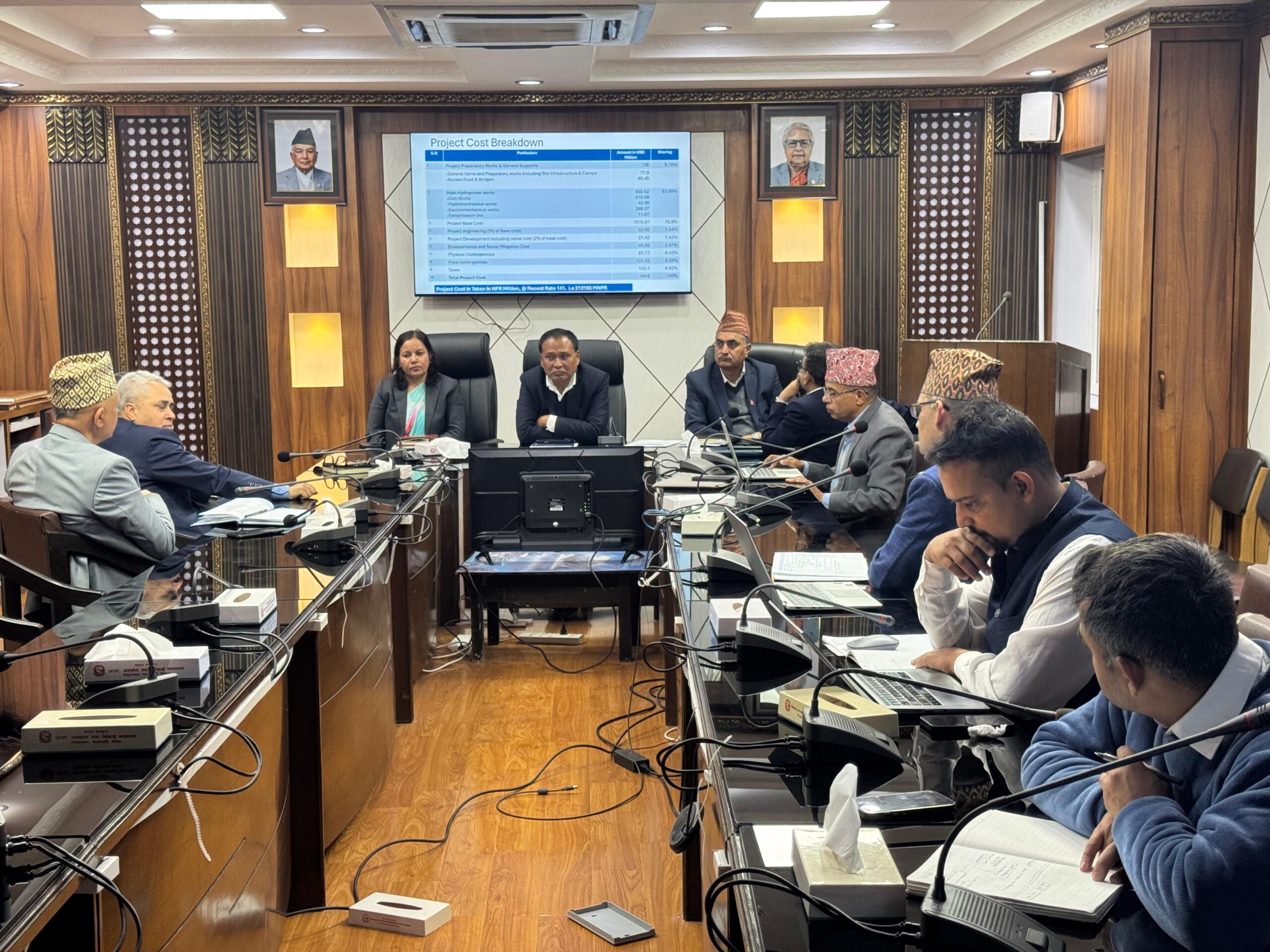
Kathmandu. The basic cost of the Budhi Gandaki Hydropower Project to be constructed in Dhading and Gorkha districts is $ 2.77 billion (about Rs 374 billion). The construction period of the project is 8 years. The project has a total interest of Rs 32 billion and Rs 406 billion for the construction period.
As per the modality, the loan to equity ratio will be 70 to 30 percent on the basis of total cost including interest during the construction period. The government has 80 percent stake in Budhigandaki Company Limited and 20 percent of the Nepal Electricity Authority (NEA).
After the completion of the project or in the final phase of construction, it has been proposed to reduce the debt burden or the government’s share restructuring by issuing a certain percentage of shares to the general public on the basis of suitability and feasibility, taking into account the actual financial indicators.
The government will have a total investment of Rs 248 billion, including Rs 97.47 billion as equity and Rs 150 billion as concessional loan. The government has so far proposed to convert the Rs 45 billion invested in the project into the company’s shares.
It is proposed that the government should invest the amount of customs and VAT in course of the construction of the project. The government has proposed to allocate 50 per cent of the infrastructure tax that has been levied on import of petroleum products for investment in the project. Reducing the investment so far will ensure the source of government investment of Rs 228 billion in the project. NEA will invest Rs 24.37 billion as equity in the project.
A proposal has been made to issue energy bonds worth Rs 30 billion to be counted in mandatory liquidity ratio as part of the government’s facilitation to make the project feasible. The bonds can be purchased by banks, financial institutions, insurance and reinsurance companies and public funds. Banks and financial institutions will provide loans of Rs 104 billion. Similarly, the government has proposed to raise it through consortium of Employees Provident Fund, Citizen Investment Trust, Social Security Fund, Insurance and Reinsurance Company, HIDCL, Nepal Telecom and commercial banks.
The project will generate 1.41 billion units of electricity in winter and 1.97 billion units in the rainy season. The electricity purchase rate has been proposed to be Rs 12.40 and Rs 7.10 per unit for the winter and rainy season respectively. The project will generate an income of Rs 31.48 billion annually after the start of power generation. It has been proposed to extend the validity of the power generation license for fifty years. If the project is completed within eight years, it will generate electricity for 42 years.
The detailed project report and tender documents of the project are ready. The progress of land acquisition is around 90 percent. A sum of Rs 42.65 billion has been distributed to the landowners as compensation for land compensation, structures, plants and fruits. The project will affect 8,117 households of Gorkha and Dhading physically and financially. Of this, 3,560 households will be completely displaced.
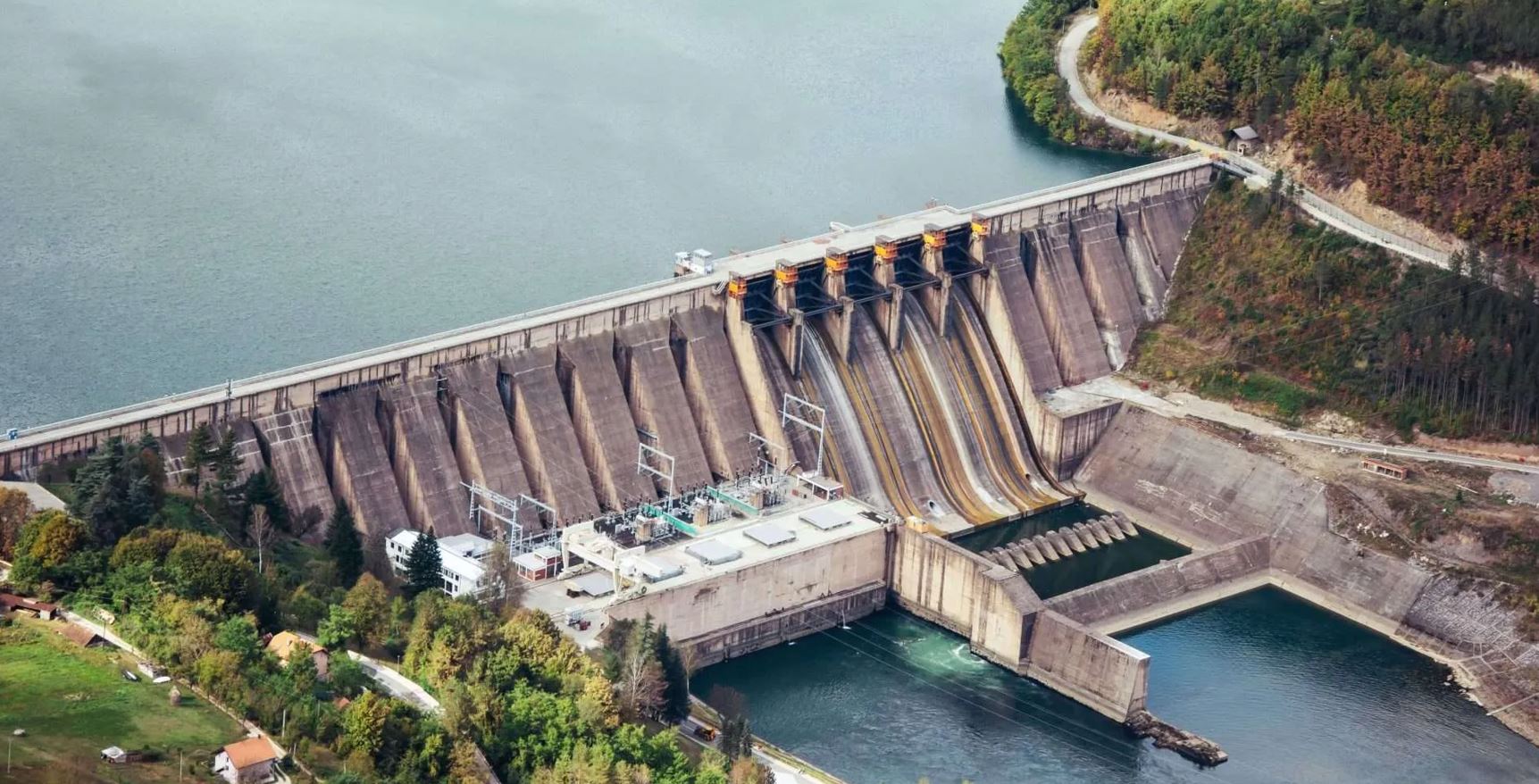
Budhi Gandaki is of strategic importance from the point of view of energy security as it is close to load centers like Kathmandu, Chitwan and Pokhara. A 263-metre-high curvature arch dam will be constructed to stop the Budhi Gandaki River that flows through the border of Gorkha and Dhading districts. The project will affect 14 former VDCs (4 rural municipalities and 1 municipality) of Dhading and 13 VDCs of Gorkha (currently 4 rural municipalities).
After the dam is built, the water reservoir will spread over 63 square kilometers upstream. Due to the 63 square kilometers construction in Budhigandaki, employment, business, tourism hub, fisheries and downstream benefits can be availed. The maximum water level of the project will be up to 540 meters.












प्रतिक्रिया दिनुहोस्