


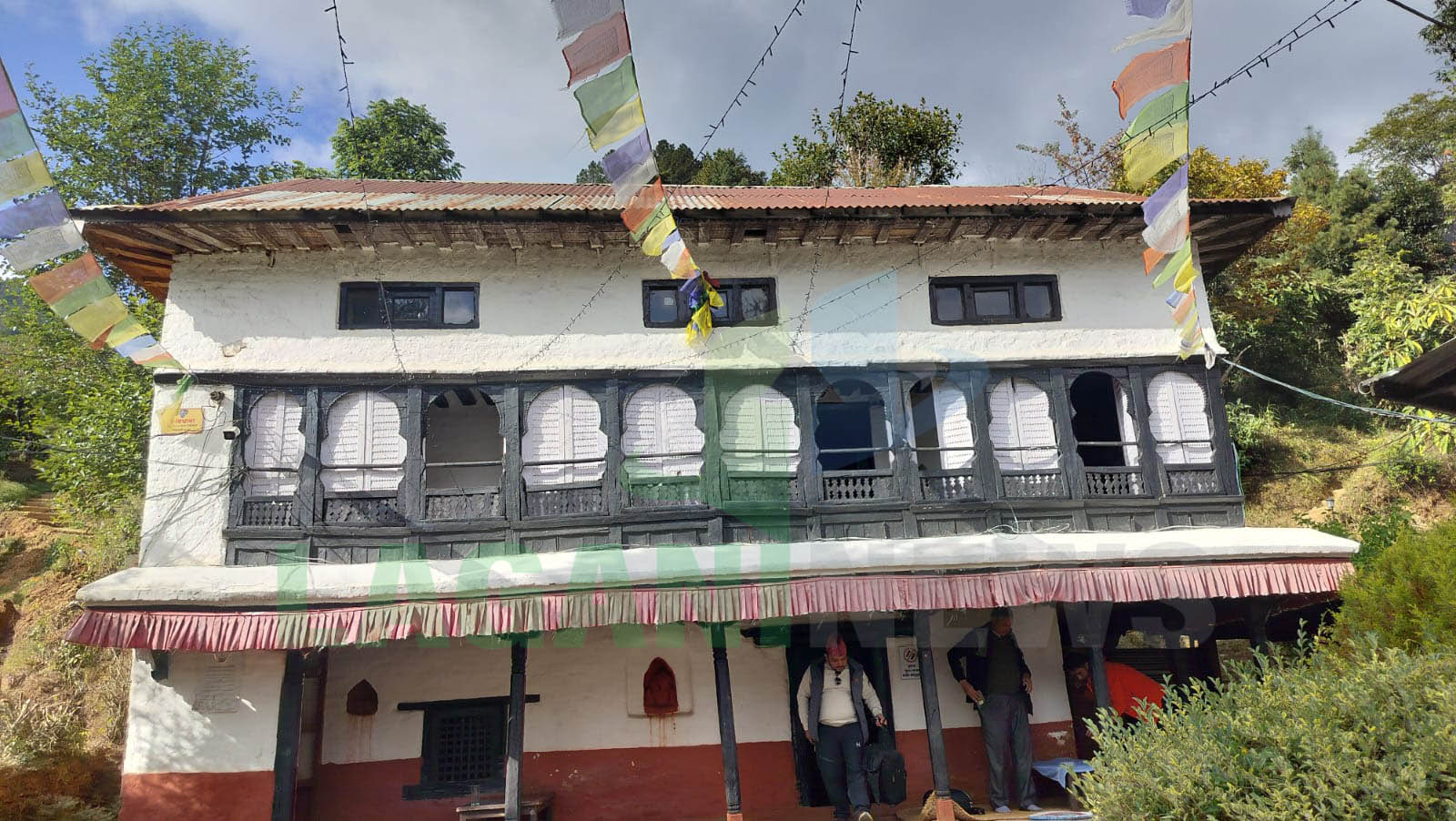
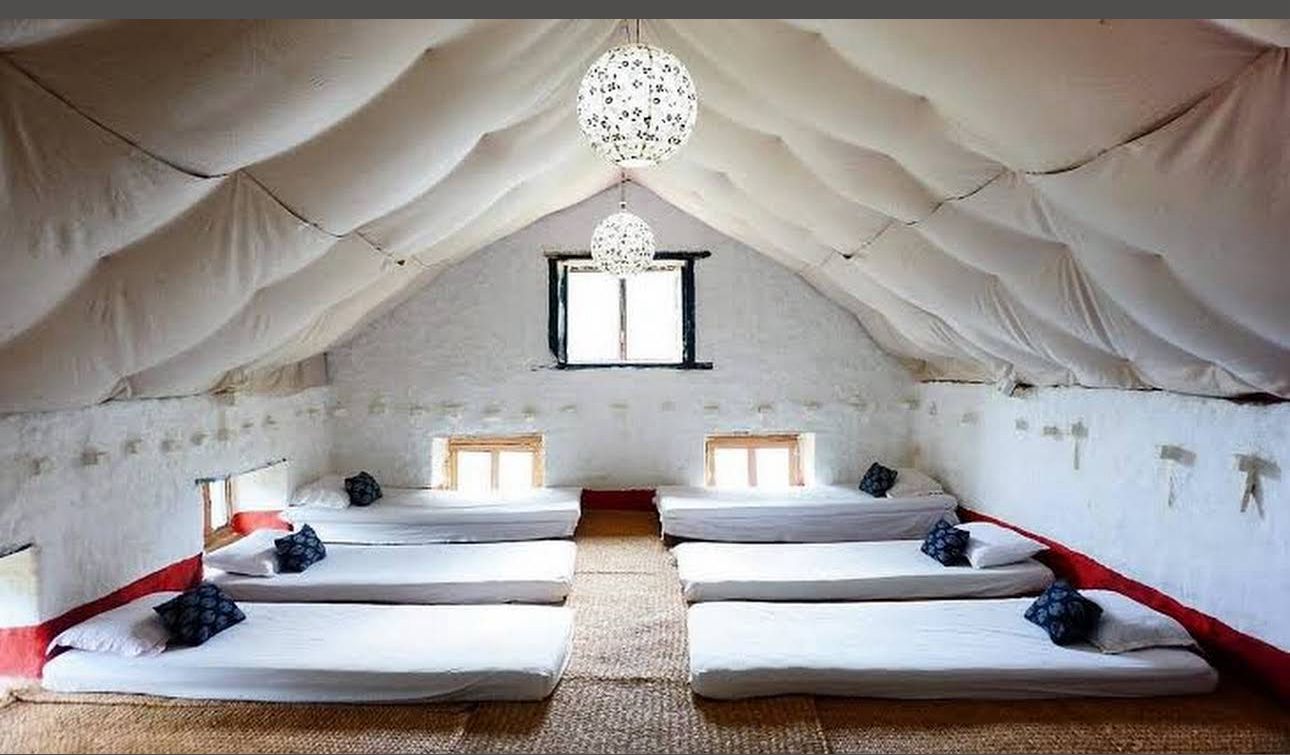
Kathmandu. A 127-year-old house. Some people may be surprised to hear this. But the truth is that not only the 127-year-old house, but the same house also has a homestay.
Conjyosom in the middle of a lush green hill. Beautiful, peaceful and original. Neighborhoods around Tamang settlements. There are still traditional houses. Modernity is not untouched. A 127-year-old house that looks much cleaner than a modern house. And in the same house, ’17 Window Homestay’.
It’s not too far in terms of distance. For those who are tired of the smoke and dust of the capital, if you want to go to a beautiful, peaceful, green place for one night, then it is the nearest destination from the valley.
After a 22-kilometer journey from Satdobato, you can reach Konjyosom Rural Municipality-5 of Lalitpur district. It is close to the valley in distance, but it is not different from the remote from the point of view of development. The only thing that has not reached this tourist destination from the Kathmandu Valley is development. It’s all from a tourist point of view.
The 127-year-old house is a history in itself. Visiting this house, the 17-window homestay in the same house … The beauty of nature. Anyone who has been here once and has returned would like to go again. Because of the environment, climate, natural scenic beauty, temples, caves, waterfalls. Who wouldn’t want to come back here after all this? That’s all there and the opportunity to see about 1 dozen mountains in front of my eyes. If someone wants to enjoy the snow in winter, there is no problem with that.
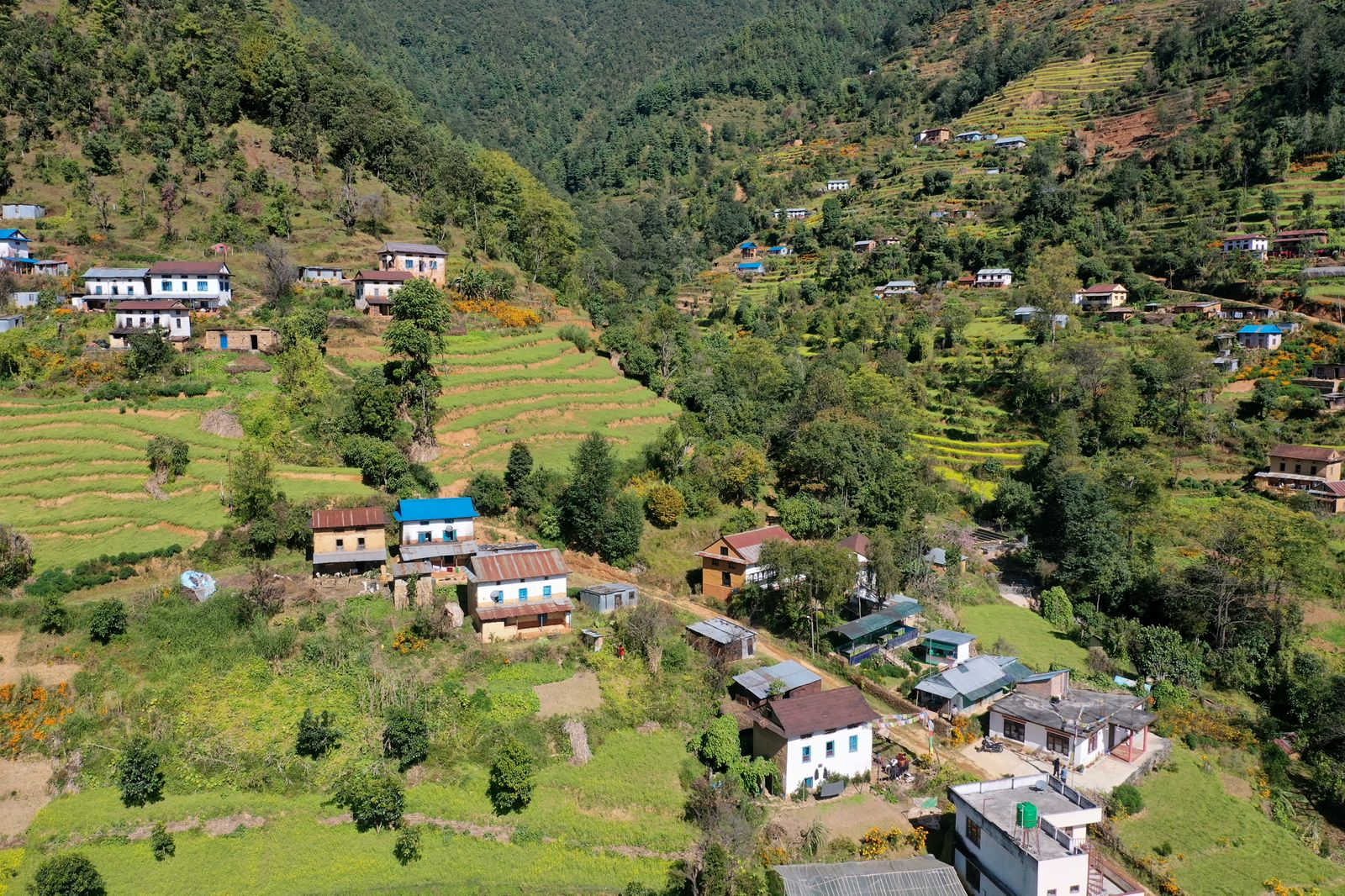
The big earthquakes of 1990, 2045 and 2072 BS have attracted the attention of tourists. The house was built on the window design brought by the ancestors of local Lalkaji Moktan from Dapcha.
Not only the 127-year-old house, but also the historical Gupteshwor Cave, Konjyosom statue, Konjyosom waterfall, Tamang trekking route, Fulbari (Konjyosom) hill. These are the places that attract domestic and international tourists.
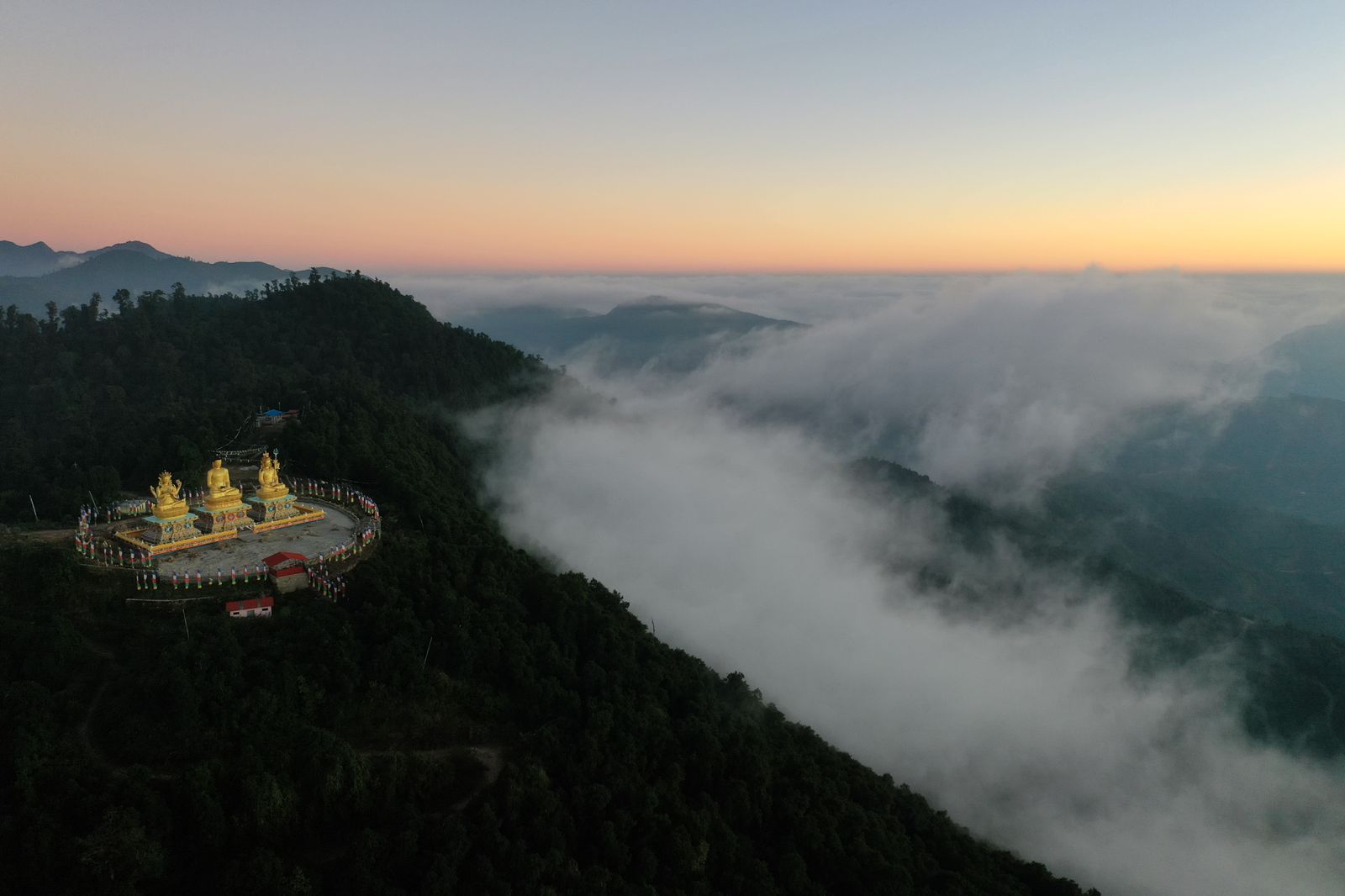
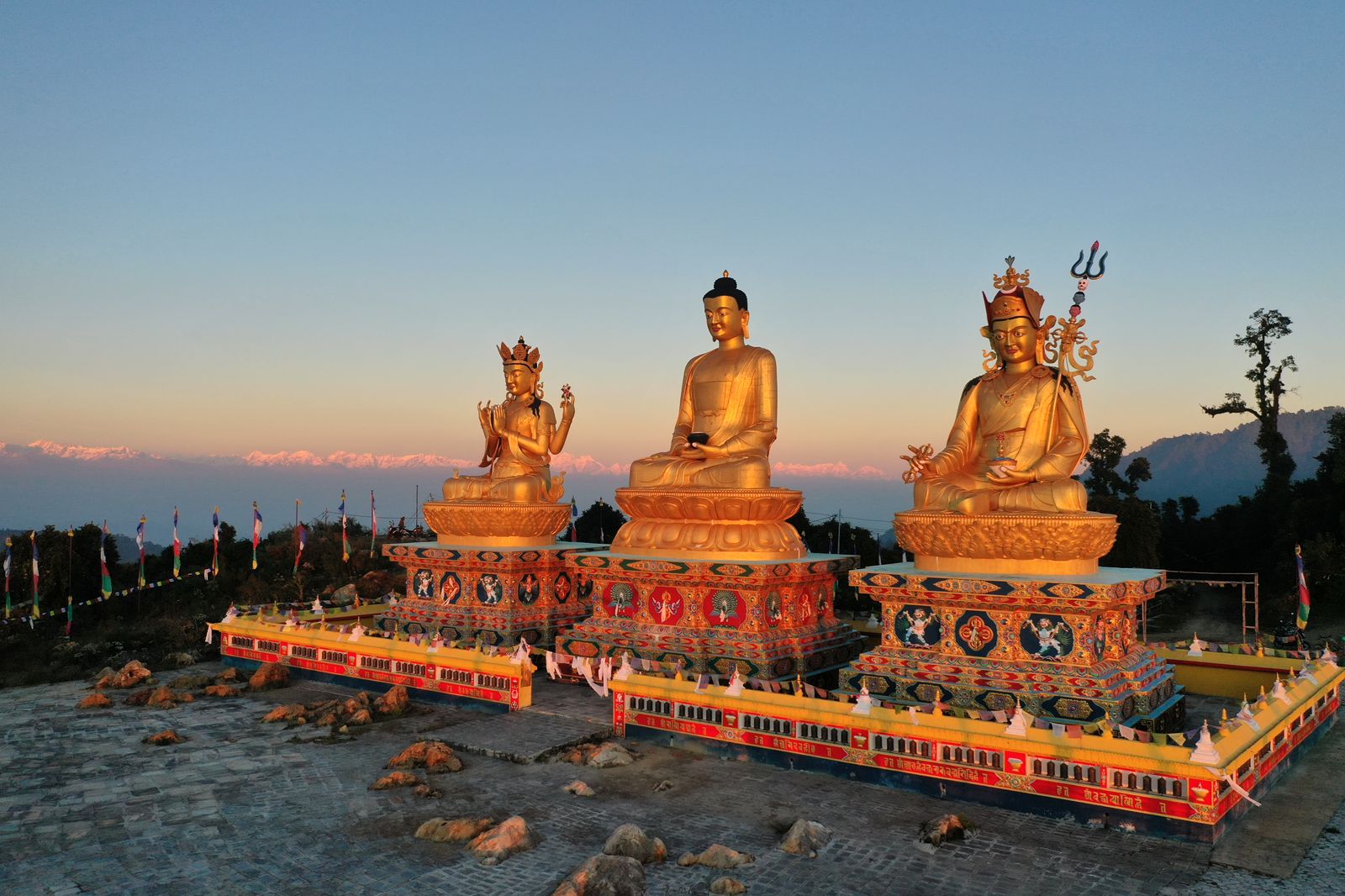
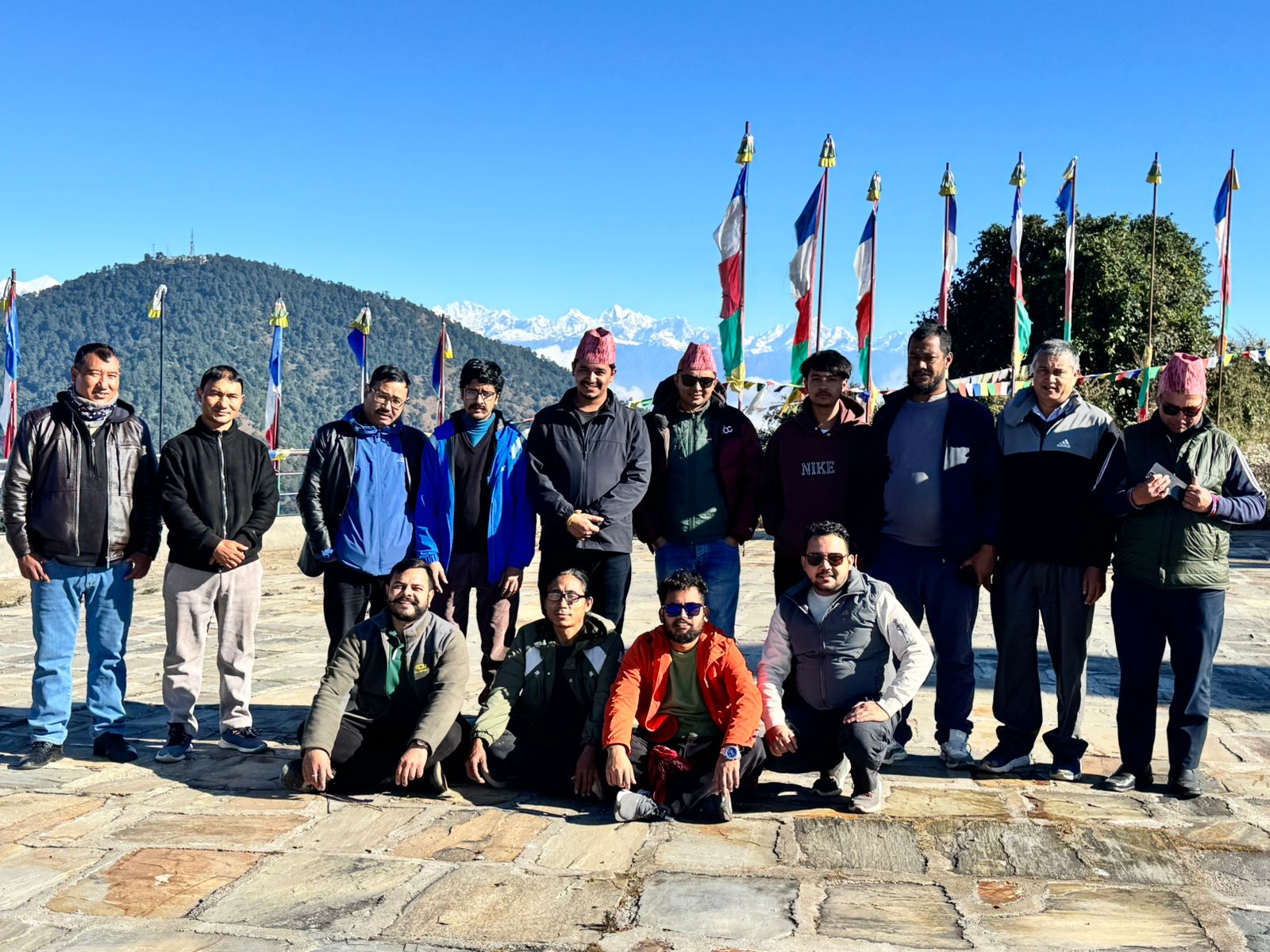
The Tridev statue (Konjyosom statue) is placed on this hill. From here, you can see about a dozen mountains in front of your eyes. The world’s highest peak Sagarmatha along with Gaurishankar, Ganesh, Manaslu, Machhapuchhre, Dhaulagiri, Jugal and other mountains can be seen. As a result, tourists are coming here during the holidays. Gradually, homestays are filling up.
The statue installed here has become a center of attraction for both Hindus and Buddhists. The locals here will also believe in both religions. A fair is held here on the days of Sonam Lhosar, Baisakh 1 and Baisakh Purnima.
There is no problem of accommodation for the tourists who reach here. Not only 17-window homestay, there are also red houses, yellow houses and Bhardeau mini resorts. After reaching the homestay, the journey will be incomplete if you do not reach the Fulbari hill at an altitude of 2,575 meters above sea level.
From this hill, you can see about a dozen mountains at a time. Destinations near the valley are ideal destinations for those who spend a night and return in the morning after taking in the mountain scenery. According to Gopilal Singhtan, former chairperson of the rural municipality, the number of tourists visiting the village has increased in recent period.
Those who reach here also visit the cave of Gupteshwor Mahadev of religious, cultural and archaeological importance. The specialty of this cave is very different. Locals say that if there is a drought due to lack of rain during the rainy season, then worshipping Gupteshwor Mahadev is the religious means of raining. A fair is organized at the Gupteshwor Mahadev Temple during the festivals of Saun, Maha Shivaratri, Bala Chaturdashi, among others.
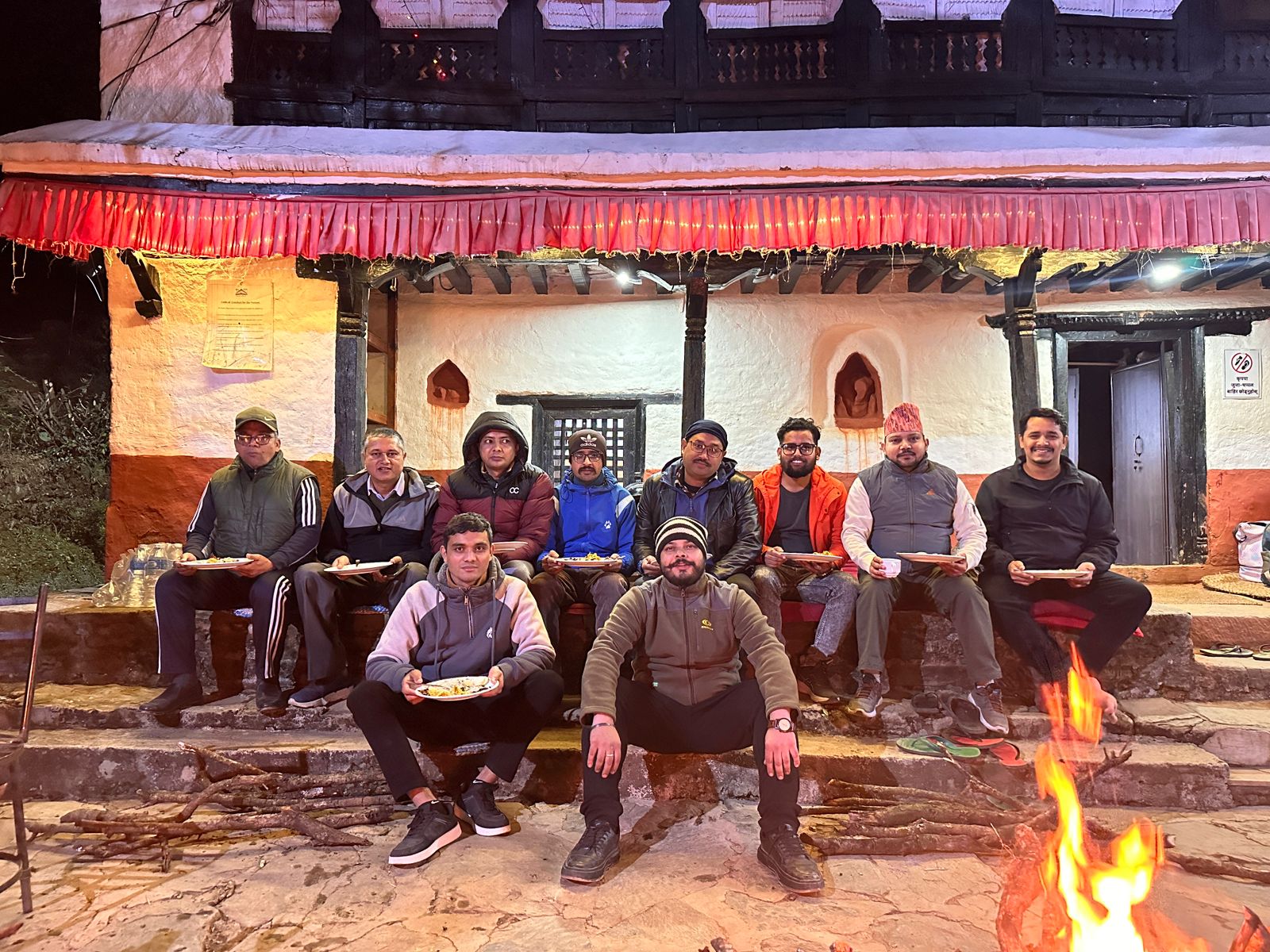
This homestay is crowded with domestic and foreign tourists every Friday. Tourists coming to the homestay are attracted by feeding local products. Gopilal Singhtan, former chairman of the rural municipality, has also been involved in tourism promotion by forming the Konjyosom Religious Tourism Development Committee.
This place is also not untouched by the influx of foreign employment. The houses here are empty after the youths entered the Gulf, Malaysia and some Europe. Gyan Bahadur Moktan, a local, said that they are planning to operate homestay in those vacant houses as well. According to him, such houses are more than 20 hours. “All the houses are safe here,” Moktan said.
For those who do not have private means to reach Konjyosom, a vehicle is available from Lagankhel. The train leaves Konjyosom for Chapagaun at 7 am. The train to Konjyosom leaves from Chapagaun at 3 pm every afternoon.
Footpath
At present, there is a trekking route from Godavari to Konjyosom via Phulchowki. Similarly, there is trekking route from Konjyosom hill to Narayansthan via Bethanchowk, Batase Monastery of Kavrepalanchowk. Not only that, there is another trekking route from Konjyosom hill to Kaleshwor Temple of Mahankal Rural Municipality. Due to lack of publicity, these trekking routes were less discussed. Now it is slowly increasing. According to Moktan, domestic tourists are also increasing in this place.
Meaning of Konjyosom
The name ‘Konjyosom’ is derived from the Tamang language. ‘Konjyo’ means ‘jewel’ or ‘God’ and ‘Soma’ means ‘three’. It is associated with Buddhism and is seen as the ‘Triratna’ (Buddha and Dharma). It denotes peace and spirituality. Similarly, ‘Konjyosom’ has also been interpreted as ‘Konjyo’ as a mountain peak and ‘Som’ as Thumko.














प्रतिक्रिया दिनुहोस्