


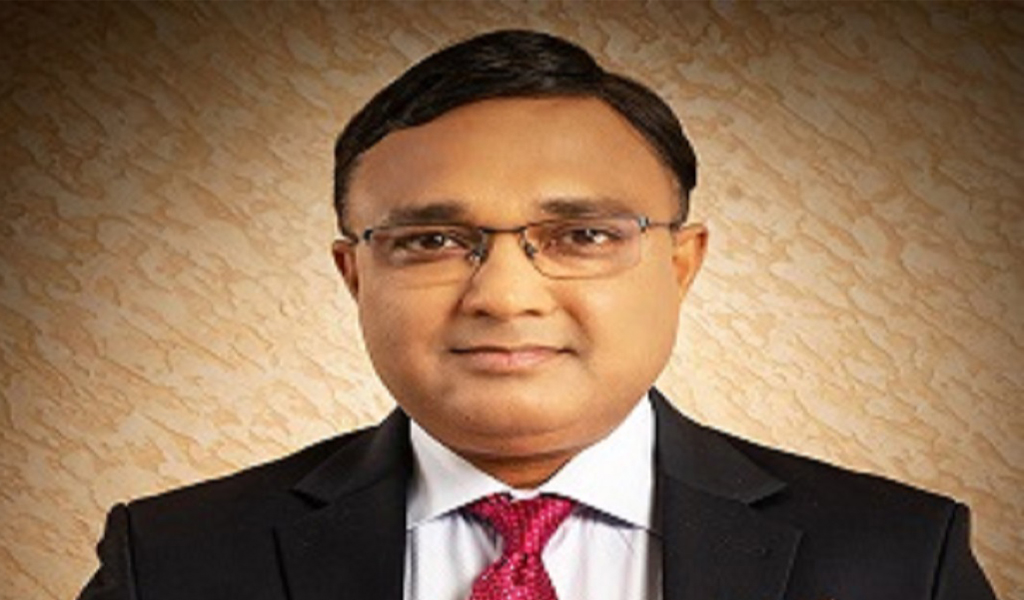
Kathmandu. Nepal Bankers’ Association (NBA) President Santosh Koirala has said that the attack on banks and financial institutions in the name of political interest is condemnable.
Addressing a programme entitled ‘Challenges Emerging in the Banking Sector and Tasks to be Done’ organized by Society of Economic Journalists Nepal (SEJON) here today, he said that the attack on the bank employees has increased the challenge in this sector. “The issue of giving and taking loan is clearly mentioned in the law and the process would be forwarded accordingly.
Stating that some people had assured that loan would be waived without any basis, Koirala urged all not to get involved in such exaggerated issues. He stressed that banking is more transparent than other sectors and the problems in the banks would affect other sectors as well.
He said that restraint is necessary as the sector, which employs more than 50,000 people, will be affected by other sectors as well. Chairman Koirala said that although there is sufficient liquidity in the banking sector at present, there is no demand to meet the demand.
Stating that the flow of loan might have been reduced due to the political ups and downs seen in the country in recent period, he said the morale of the investors has also weakened. He, however, said that the central bank has also made some efforts regarding the flow of loans.
On the occasion, Coordinator of Banking Sector Reform Suggestion Taskforce-2082 Dr Rewat Bahadur Karki said that the regulation of Nepal Rastra Bank has increased. He stressed the need for the central bank to be liberal and rational in regulation.
“Nepal’s banking sector is good in South Asia, although it is also possible that the central bank’s policy has become more control-oriented, it may not be good for the central bank to try to tighten in every sector,” he said. Stating that it would be better for the banks to remain self-regulated, he suggested removing unnecessary rules.
Stating that the contribution of banks and financial sector to the country’s GDP is five percent, he expressed the view that the bank could make even bigger contribution if the banks were allowed to work independently.
Coordinator Dr Karki said that due to the open border between Nepal and India, Nepalis have started depositing money in Indian banks in the hope of getting better interest rate.
Stating that one bank had to face the consequences of its mistakes, Dr Karki said the central bank should be aware of such issues. According to him, the report prepared by him has suggested structural reforms of the central bank and soft policy in regulation. He said that he has given immediate, short-term and long-term suggestions for the reform of the banking sector.
(((














प्रतिक्रिया दिनुहोस्