


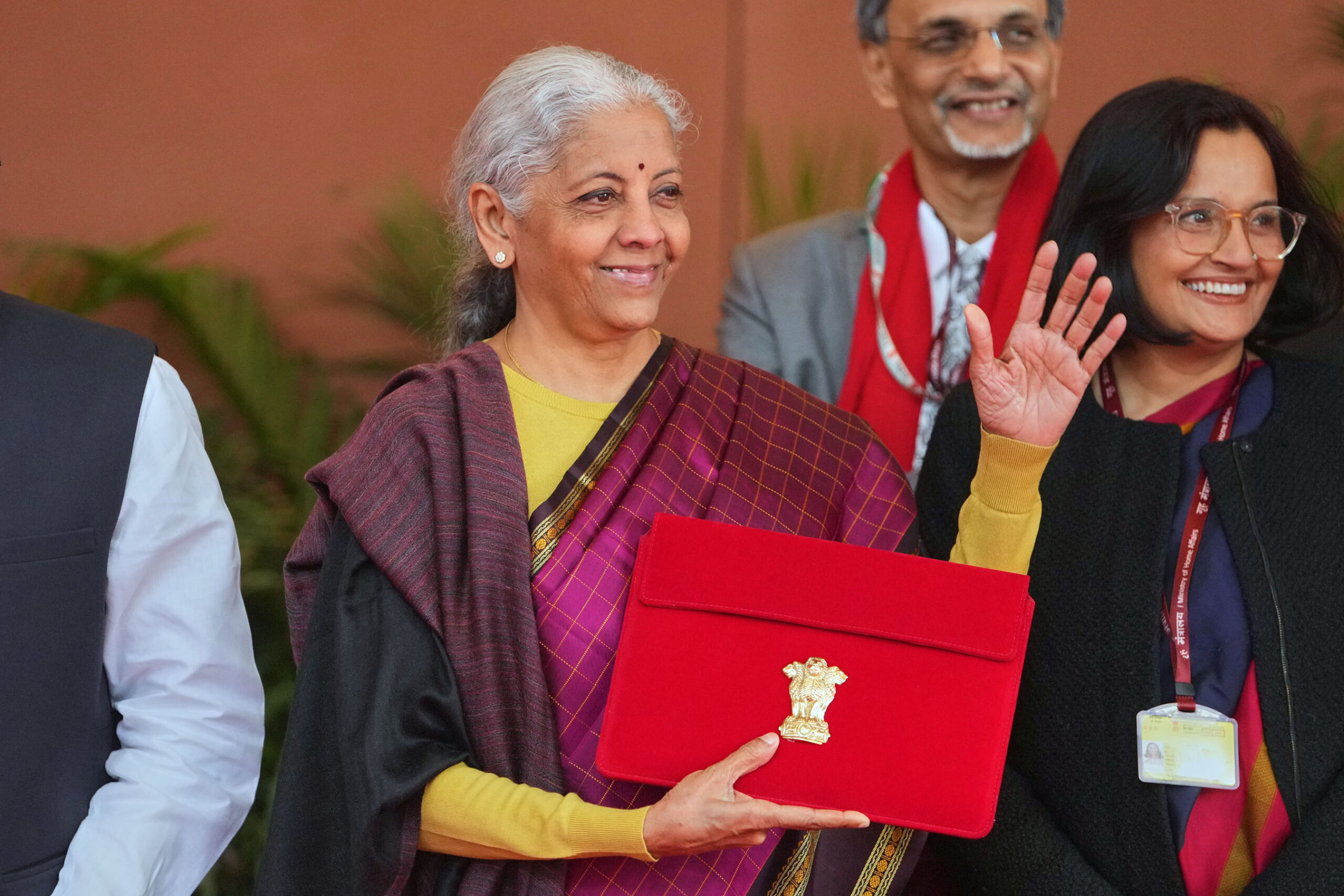
India’TAG_OPEN_p_36 s federal budget has set out a strategy to strengthen the long-term economic structure without major changes to the tax system this year. The announcement that there has been no change in the rate of income tax is an indication of this. This makes clear the government’s objective of providing a conducive environment for the private sector to plan long-term while tax policy remains stable. However, the deadline for filing revised returns for taxpayers has been extended by three months, which is expected to help in compliance.
The main focus of the budget seems to be on infrastructure expansion, revival of manufacturing industries, development of new economic zones and systematization of urbanization.TAG_OPEN_p_35 In particular, the announcement of the construction of seven high-speed rail lines has long-term implications not only for India’s domestic market but also for the entire South Asian trade and transport infrastructure.
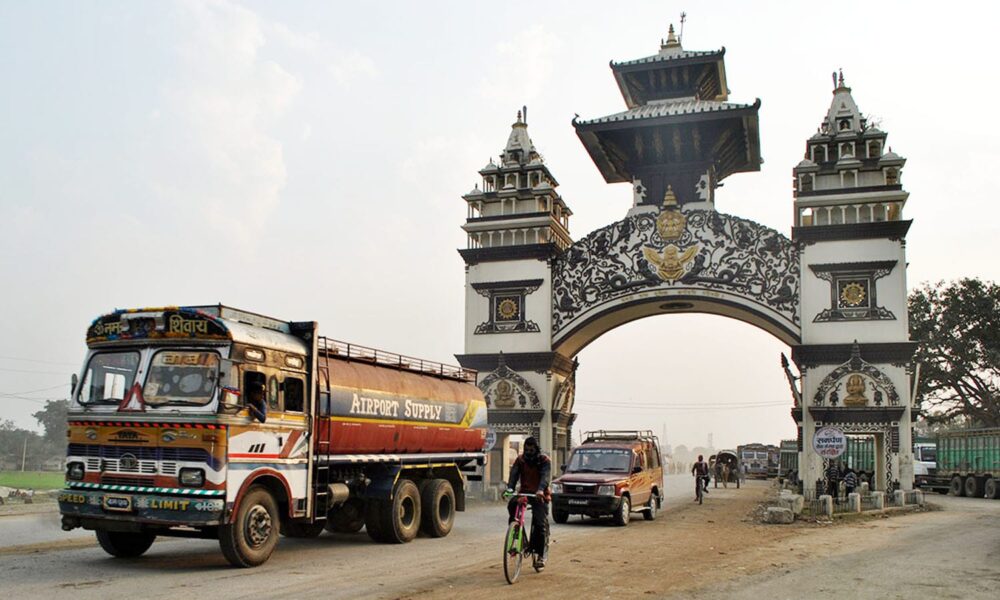
The Varanasi-Siliguri railway line is expected to reduce time and cost along the Nepal-India trade route.TAG_OPEN_p_34 It can connect Nepal’s industries and business hubs with the eastern Indian market more quickly.
The health sector has also become an important part of this budget.TAG_OPEN_p_33 The removal of import duty on seven rare diseases and seventeen drugs used to treat cancer will reduce the cost of treatment in India. It is also expected that this will bring relief to the Nepalese going to India for treatment. The government has also announced the setting up of three Ayurvedic government hospitals, which are expected to increase both public trust and investment in alternative treatment systems.
The government has allocated a large amount of money for the development of cities with a population of more than half a million. These cities are emerging as new consumption and manufacturing hubs in India. Such investment will have a huge impact on infrastructure, transportation, drinking water, sanitation and the development of infrastructures required for industries. Its direct impact can also be seen indirectly in Nepal. As economic activity increases in India, there is a possibility of increasing demand for Nepal’s agri-industry, building and construction materials, labor and service sectors.
There are signs of a big change in the education sector. Creative labs will be set up in 15,000 secondary schools and 500 colleges. This gives a clear indication that the youth will be skilled in modern production systems, films, painting, sports, audio-visual and digital content production. In the long run, such skills seem to aim to make India an independent creative manufacturing hub.
Revival of the industrial sector has been another key priority of the Government of India.TAG_OPEN_p_30 Stating that more than 350 economic reforms have been carried out since August last year, the government has forwarded a plan to expand the manufacturing sector, reopen old industrial estates, strengthen small and medium enterprises and ensure long-term economic security. The announcement to build special corridors for rare earth minerals in the states, notably Odisha, Kerala, Andhra Pradesh and Tamil Nadu, will bring about a paradigm shift in India’s manufacturing capacity. It aims to reduce India’s dependence on products ranging from electrical equipment to transport equipment and strengthen domestic manufacturing.
TAG_OPEN_p_29 Funds allocated for small and micro enterprises, new waterways construction plans and expansion of centres for skill development of youth are also announced to accelerate the overall economic growth. Such structural investments will continue the cycle of employment, production, income and consumption in India.
Overall, India’s budget this year has gone far beyond immediate tax relief and has become a document of strengthening the economic structure of the future.TAG_OPEN_p_28 Massive investments in infrastructure, industrial revival, health, education and creative capacity point to India emerging as a regional economic power in the coming decade. For Nepal too, these changes are emerging as a new phase of opportunity, competition and potential risks.
8 billion INR grant{
}
The government has decided to provide a grant of Rs 800 crore to Nepal for the fiscal year 2026/2027. Finance Minister Nirmala Sitharaman presented the budget for the current fiscal year 2018-20 on Sunday.
In the current fiscal year, India has estimated that it will provide Rs 830 crore to Nepal. Earlier, India had announced a grant of Rs 800 crore, but later it was revised to Rs 830 crore.
According to the budget, India will give the highest amount of aid to Bhutan. India will provide a grant of Rs 2,288 crore to Bhutan. This amount is more than this fiscal year. In the current fiscal year, India has allocated Rs 1,950 crore.














प्रतिक्रिया दिनुहोस्