


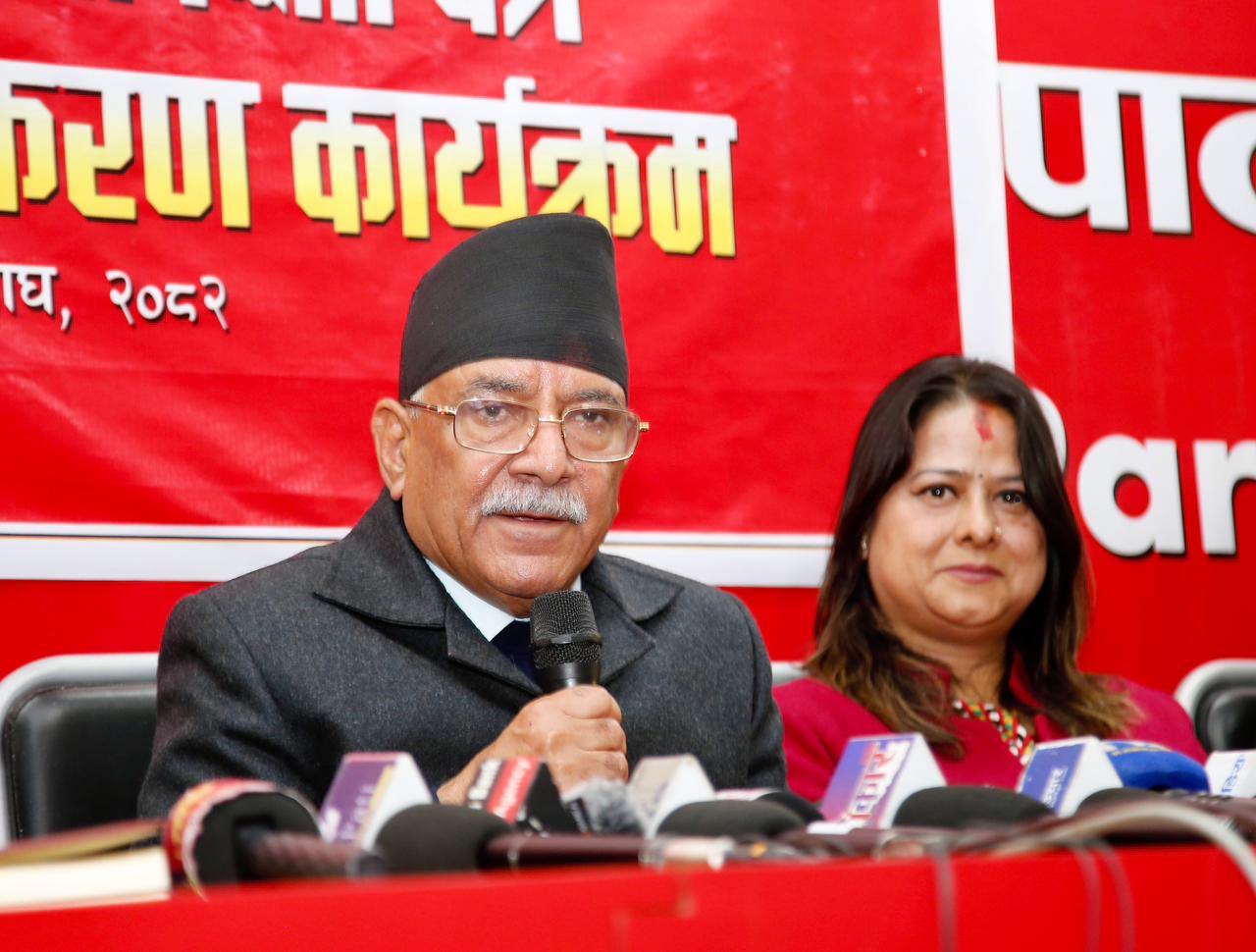
Kathmandu. The Communist Party of Nepal (CPN) has set a target to make health insurance compulsory and progressive for all, making health insurance the main basis of health security system.
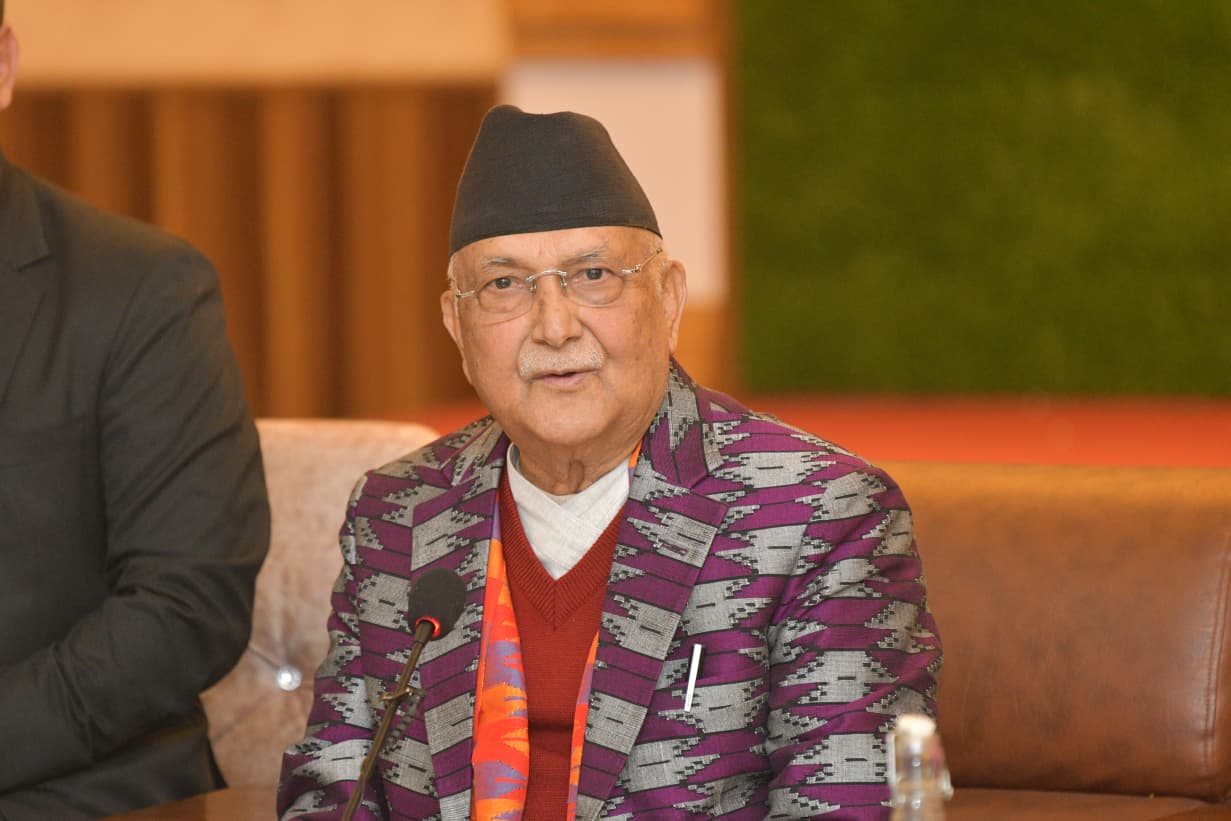
In a commitment letter unveiled at a programme organised at the party office at Parisdanda today, the NC has set a target to make health insurance 100 per cent by 2088 BS.
Only about 10 percent of the people living below the poverty line are currently covered under the insurance scheme, which will be increased to 100 percent by 2088 BS. The insurance premium of the poor, disabled, chronically ill and senior citizens to be borne by the state will be made result-oriented, statistical and transparent.
As per the commitment letter, policy and action reforms will be made with the goal of building a healthy and prosperous Nepal by making the health sector qualitative, people-oriented, inclusive and sustainable:
}
· The fundamental right to health guaranteed by the constitution shall be fully implemented. Immunization, safe motherhood, communicable disease control, reproductive health and basic health services will be provided free of cost keeping the state fully accountable. The laws related to reproductive health will be amended in due course. The health expenses that citizens have to pay from their pockets are now around 54%. It will be reduced to less than 35% by 2088.
· Health insurance is compulsory and progressive: Health insurance will be made the mainstay of the health security system. Currently, it is mandatory for all to have health insurance coverage limited to about 30%. It will be 100% by 2088. Currently, only about 10% of the people living below the poverty line are covered under insurance. It will be 100% by 2088. The insurance premium of the poor, disabled, chronically ill and senior citizens to be borne by the state will be made result-oriented, statistical and transparent.
· Expansion of health services in the community: Mid-level health teams will be mobilized in every ward, community and school to provide regular health check-up, lifestyle counseling and prevention services.
· Extended service in government health institutions: The outpatient service in government hospitals will be operated in two shifts from 7 am to 7 pm throughout the year. Similarly, the service will be extended to the health posts for 365 days.
· Special Priority Group: Health check-up of youths going for foreign employment will be done free of cost. Senior citizens, people with disabilities, pregnant women, newborns and the destitut will be given priority and special facilities through the green channel.
· Service and Security of Health Workers: The ‘One Health Worker, One Health Institution (Full-time Service)’ policy will be strictly implemented by providing salary, facilities and security to the doctors and health workers working in government health institutions.
· Preventive Health: Physical exercise, yoga, meditation and nutritious food will be promoted institutionally, giving priority to prevention rather than treatment.
· Mental Health and Suicide Prevention: A National Strategy Programme for Suicide Prevention will be implemented considering the increasing mental health problems and suicides as a special problem. Psycho-social counseling helpline will be operated by integrating mental health services with basic health services to the village level. The suicide death rate is currently 23.4 per 100,000 people. By 2088, it will be reduced to Rs 4.7 per 100,000.
· Complete digital health system: Provision will be made in all government health institutions and service recipients will not be required to carry old documents. Digital health and hospital governance will be improved. The system will be implemented in teaching hospitals in a phased manner.
· State-level specialized hospitals: Arrangements shall be made to establish fully government-owned specialized academic and referral hospitals in all seven provinces without the need to travel to Kathmandu. Medium and high-level specialist human resources will be produced in the state.
· Drug supply and good governance: Central framework agreement and government-government procurement system will be implemented to end irregularities in drug procurement. The capacity of Nepal Drugs Limited and Singha Durbar Baidhyakhana would be increased to produce basic medicines in the country and generic use would be made mandatory in government institutions.
· Mobile Specialist Service: A mobile expert camp will be organized every year in Ashwin, Kartik and Falgun every year along with public health campaign to provide specialist services in remote and backward areas.
Primary health services will be strengthened as per the policy of “health services will go to villages, not hospitals”. The quality of human resources, medicines, equipment and quality of basic health care centers at the ward level will be improved. For the prevention and management of non-communicable diseases, heart disease, diabetes screening, counseling and control services will be made available in the community.
· Food and drug regulation: Uncontrolled food supplements and herbal products shall be regulated. The amount collected from the tax on alcohol and tobacco products will be spent for the prevention and treatment of non-communicable diseases.
· Telehealth Services: Telehealth services will be expanded to provide quality services in rural areas. Access to general practice and specialist services will be expanded.
· Health workers, equipment, buildings and service classification/quality will be determined by restructuring the health infrastructure at the federal, provincial and local levels.
· Epidemic and emergency services: Epidemic, disaster and emergency services will be made effective through a strong structure.
· Health budget increase: The share of the health sector is currently around 5%. It will be 8% by 2088.
· Non-communicable diseases, oral health, mental health, ENT and skin diseases and occupational health services will be strengthened in all seven provinces and expanded to the district level.
· Integrated Health Act: The Integrated Health Act shall be formulated and implemented by amending the Health Service Act, Regulations, policies of the Council, Commissions and Institutions as per the time.
· Integration of modern and traditional health systems: A long-term policy will be formulated based on the study and research of modern, ayurvedic, original, traditional and alternative systems. Ayurveda, natural and original medical systems will be integrated in a harmonious manner.
· The partnership will coordinate social health campaigns: health education, rehabilitation, day care and social security programs with the government, cooperative and private sectors.












प्रतिक्रिया दिनुहोस्