


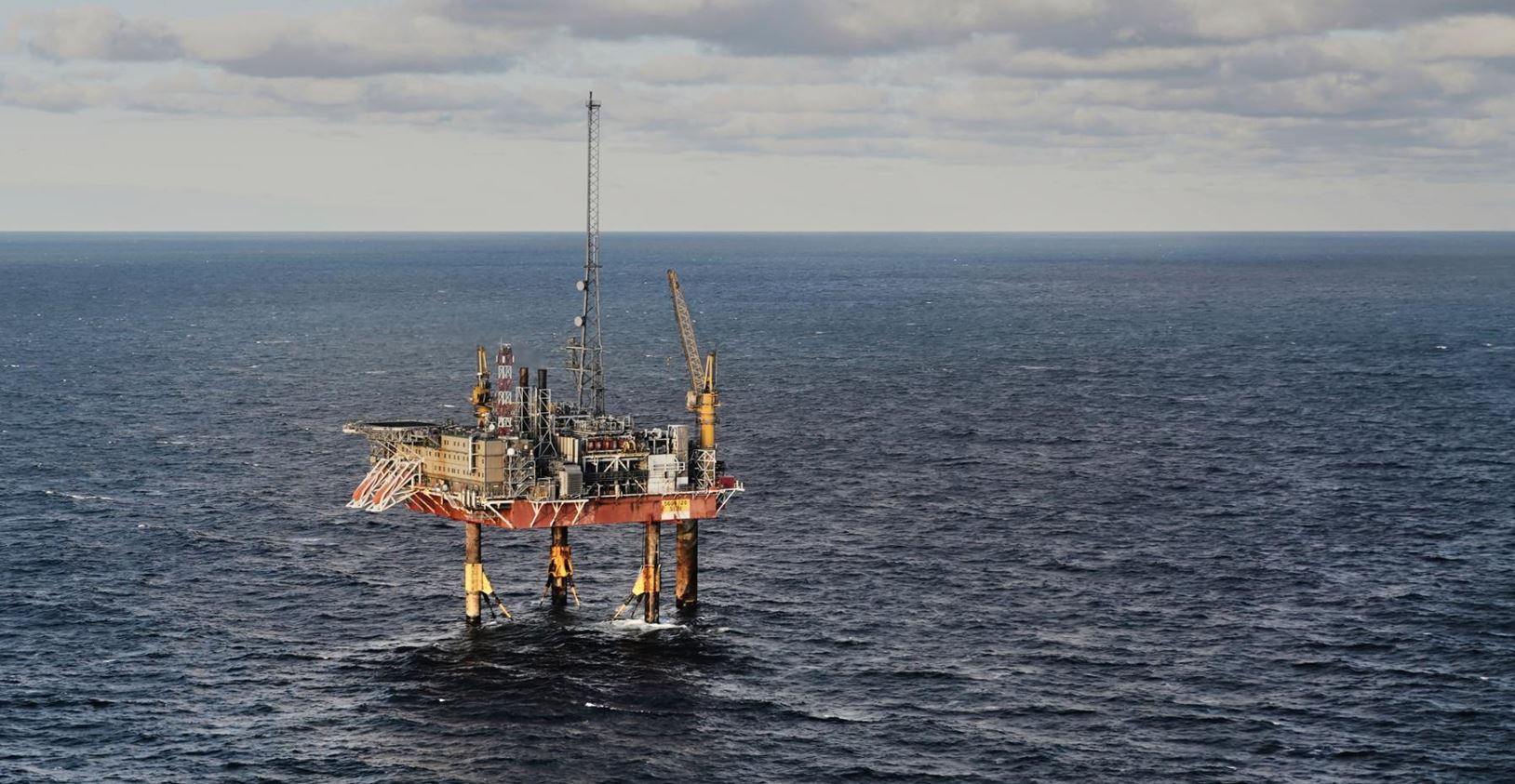
Kathmandu. Japan and Malaysia are preparing to move ahead with cross-border carbon capture and storage projects amid a global debate over ways to combat climate change. While critics question its effectiveness, both countries have touted it as a new alternative to emissions management.
Under the plan, Japan proposes to store carbon dioxide from its industrial plants — such as power generation, oil refinery, cement, shipping and steel — and send it to Malaysia in liquefied state. The carbon is likely to be stored underground in depleted gas fields near the state of Sarawak on the island of Borneo. If successful, experts say, it could pave the way for similar projects in other Southeast Asian countries, such as Indonesia and Thailand.
The carbon capture process consists of three steps: capturing emissions directly from polluting sources, liquefying them and transporting them via special vessels, and finally long-term storage via underground injection. Long-term monitoring is required to prevent leakage after injection. However, the detailed technical outline has not yet been made public.
Some governments and energy companies describe it as a way to “buy time” for the transition to clean energy. Cross-border carbon transport and offshore storage projects are also being tested in Europe. But the International Energy Agency expects that by 2050, its contribution to total emissions reductions will be less than 5 percent.
Malaysia aims to position itself as a regional carbon capture hub. The bill was passed last year, and the finance ministry estimates economic benefits of up to $250 billion over 30 years. State-owned oil and gas company Petronas is leading the construction of a $1.1 billion offshore carbon storage facility that it aims to be operational by the end of the decade. However, about 81% of Malaysia’s electricity is still generated from fossil fuels.
Japan, one of the world’s leading carbon emitters, is investing in nine carbon storage sites, three of which are in Malaysia, as part of a net emissions reduction plan. By 2030, these sites are expected to store 20 million tons of carbon annually, about two percent of Japan’s annual emissions. Malaysia will be paid per tonne of stored carbon and Japan can reduce that amount from its total emissions.
But critics have called it “carbon colonialism”. Ayumi Fukakusha, from Friends of the Earth in Japan, said exporting emissions to other countries was not a sustainable solution. Rachael Kennerly, from the Centre for International Environmental Law, warned that the plan would shift the burden of pollution to Malaysia and undermine real emissions reduction efforts.
Carbon capture is a costly and unproven option, arguing that immediate emissions reduction should be a priority to tackle the climate crisis. However, Japan and Malaysia are pursuing it as a technological opportunity and economic possibility. The question of whether this cross-border carbon storage initiative will succeed or create more controversy will now depend on the implementation phase.
















प्रतिक्रिया दिनुहोस्