


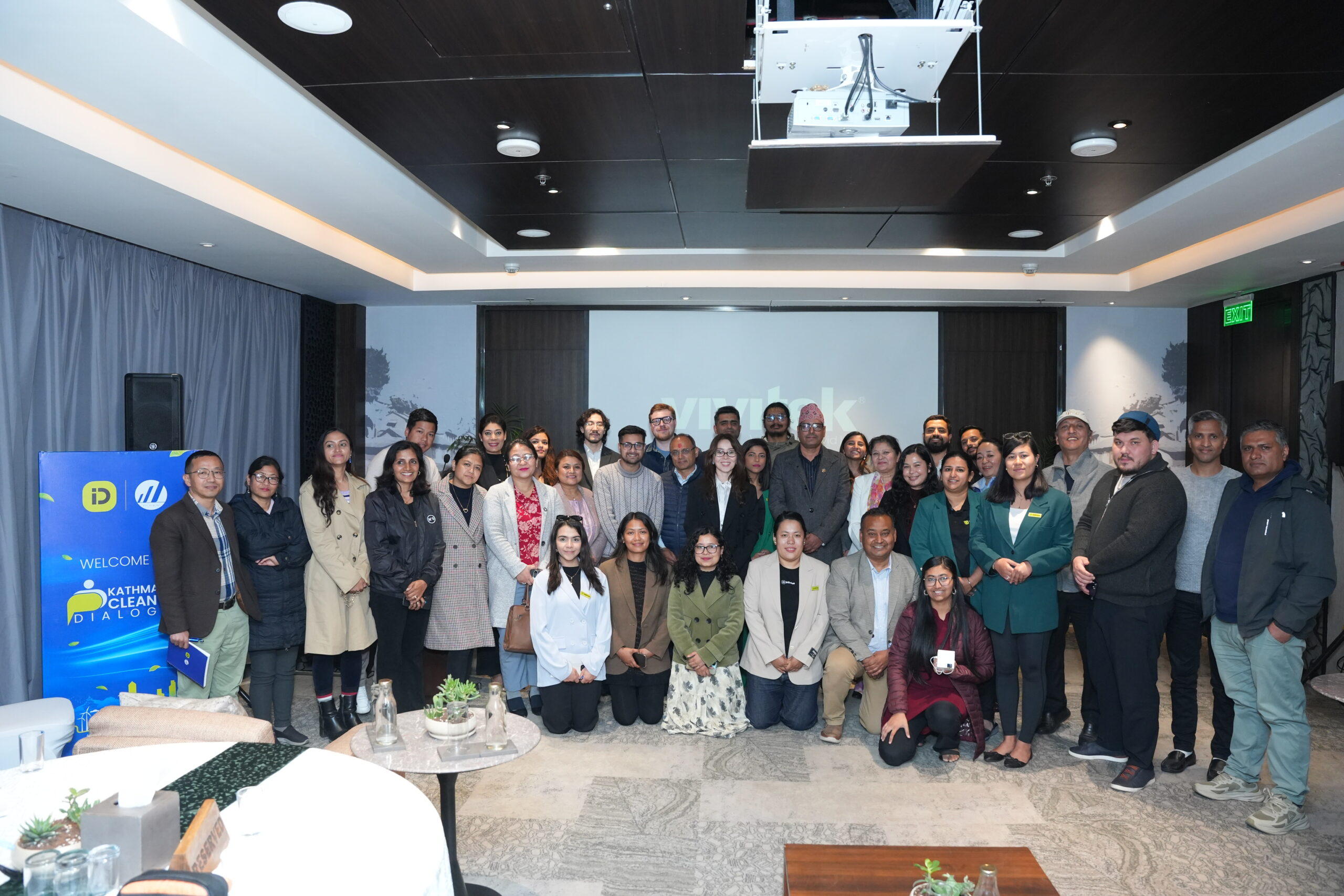
Kathmandu. Indrive organized the ‘Kathmandu Clean Air Dialogue’, bringing together various stakeholders on a single platform to find coordinated, sustainable and implementable solutions to address the growing problem of air pollution in the Kathmandu Valley. The program was attended by government leaders, subject experts, research institutions, civil society representatives and private sector leaders.
The main objective of this dialogue is to move towards policy-coordination, fact-based decision making and concrete action plan by accepting air pollution as a matter of shared responsibility. Participants had an in-depth and result-oriented discussion on the current air quality situation, major sources of pollution, the effectiveness of existing policies and programs, and challenges in implementation.
The Kathmandu Clean Air Dialogue focused on four key objectives:
1. High-level stakeholder coordination
Establish effective coordination mechanisms among government agencies, development partners, research institutions and the private sector with clear roles and responsibilities.
2. Overall mapping of the current state
To review the current state of air quality in the Kathmandu Valley, major pollution sources (e.g. transport, industry, construction activities, and domestic fuel use) and the policies implemented.
3. Identification and Strategic Solutions to Obstacles
Identify policy, structural and behavioral bottlenecks and propose practical, phased and sustainable solutions.
4. Promoting active participation of the private sector
}
Create an environment to actively engage the private sector in air pollution mitigation initiatives through innovation, use of technology, and expansion of electric and sustainable transport systems.
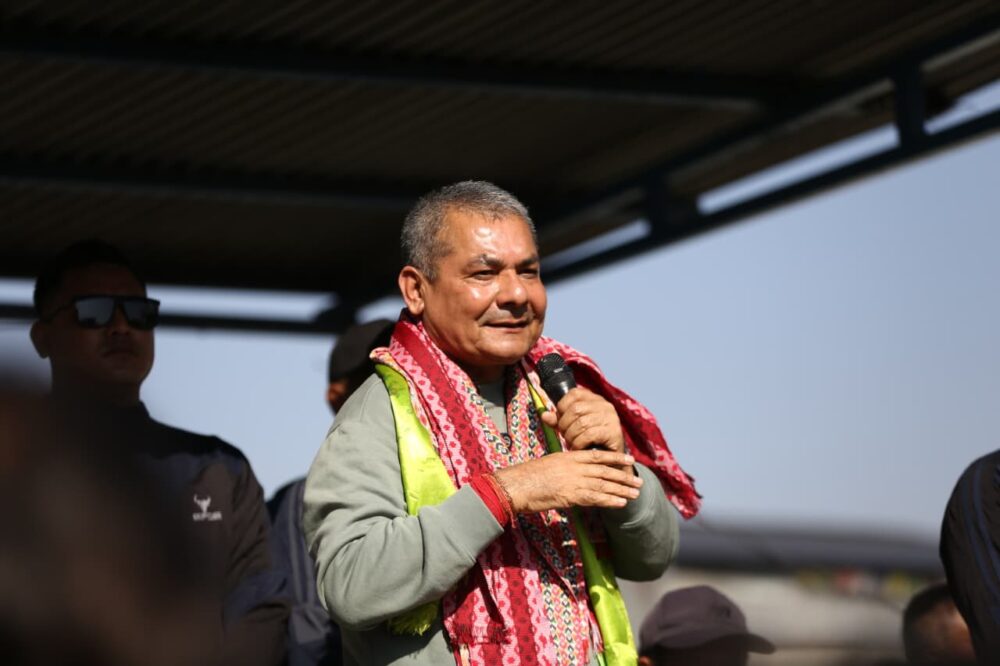
The participation of the government in the program was remarkably encouraging. Speaking as the chief guest, Minister for Forest and Environment Madhav Chaulagain highlighted the progress made so far by the government and pointed out the need for more intense, coordinated and result-oriented actions in the days ahead. He praised InDrive and AAI for taking the initiative to bring various stakeholders on one platform for a common goal.
The problem of air pollution in Kathmandu is multi-dimensional. Emissions come from the use of biomass and domestic fuels, while transport and industrial expansion are putting more pressure. Due to the geographical situation, the level of pollution increases further in the winter season. Reliable data, transparent monitoring systems, public trust, and coordinated action are essential to address these challenges. The development of sustainable systems based on local ownership has become even more important, especially as international cooperation is gradually declining.
The dialogue also marked the starting point for the Nepal Fresh Initiative (“Taja” means “clean” in Kazakh language), which is inspired by AAI’s proven ‘Brain, Voice, Bridge’ format:
● Brain: Development of data-based systems to ensure reliability, including independent monitoring networks, research, and advanced modeling.
● Voice: Transforming scientific evidence into public understanding and collective demand for improvement.
● Bridge: Translating science and public support into sustainable policy, legal reform, and institutional change.
Zjudij Soulebekova, CEO of Almaty Air Initiative, said: “Sustainable improvements in air quality will require reliable data, aware citizens and a strong local system based on close cooperation with the government. The experience gained in Almaty shows that when evidence, public participation and policy come together, systemic change is possible. We are proud to support Kathmandu on its journey to build its own locally operated clean air routes. ”
Overall, the “Kathmandu Clean Air Dialogue” represents an important initial step in cross-regional cooperation that Nepal seeks to pursue towards cleaner air, healthier citizens and a sustainable urban future. It has sent a clear message to ensure long-term public health and environmental benefits by strengthening collaboration between policy, science and the private sector.










प्रतिक्रिया दिनुहोस्