


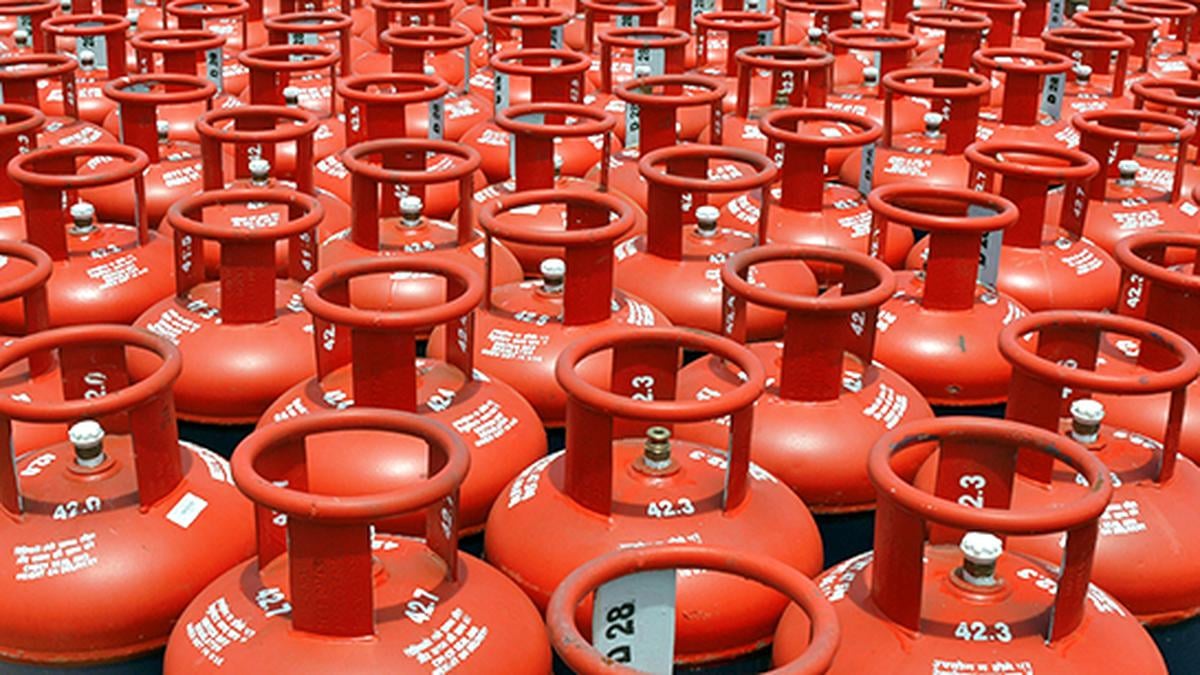
Kathmandu. The impact of the war in the Middle East has reached India.
Shortages of cooking gas due to supply disruptions caused by the conflict with Iran have forced restaurants to scale back menus, limit service and look for alternative fuels.
Bengaluru: Madco restaurant in Bengaluru, a tech hub in southern India, said it had decided to remove popular dishes to save gas. According to the restaurant’s director Santosh Abraham, the restaurant has also temporarily suspended its lunch service to save gas.
He said there were already signs of a possible crisis, but he did not expect the impact to be seen so soon.
India is the world’s second-largest importer of liquefied petroleum gas (LPG), with nearly 90 per cent of its supplies coming through the Strait of Hormuz. At present, the transportation of this route has been severely affected due to the war.
Millions of restaurants in India depend on gas cylinders for cooking. The government has directed people not to use utensils that use coal and wood in many places to control pollution.
After the import was affected, the Indian government has tightened the distribution of cooking gas, giving priority to households and essential sectors. This has increased pressure on restaurants, industries and power generation.
Dhruv Thapliyal, the sous chef of Bengaluru’s burger restaurant ‘Guerrilla Diner’, said he is struggling to sustain his business. According to him, only two and a half cylinders of gas are left in the restaurant. He said that if the grill is run, it will last only one and a half days and if the fryer is used, it can last up to four days.
Meanwhile, Prime Minister Narendra Modi said that there is no need to panic and a committee has been formed to study the possibility of increasing the supply of gas.
But industry representatives have warned that the crisis could get worse. Ananth Narayan, head of the Bengaluru branch of the National Restaurant Association of India, said that the black market price of LPG cylinders has almost doubled. He demanded that the government take strict action.
The restaurant industry has started adopting various measures to save gas. It is suggested to prepare the ingredients in advance to reduce the need for longer boiling, deep frying or slow cooking, and to reduce the cooking time.
Mumbai’s Chinese restaurant Gypsy has removed steamed dim sum from the menu. Restaurant proprietor Aditi Limaye Kamat said that the dishes were removed as they had to run the gas continuously for eight to 10 minutes to make a portion.
Some restaurants are using older fuel sources. According to Guru Dutta, owner of The Pizza Bakery in Bengaluru, around 300 kg of firewood used to be used in a week, but now 450-600 kg is being used. He said that the use of firewood to heat the oven has been increased by turning off the gas burner.
Daniel Rodrigues, owner of Mon Petit Frère Café in Goa, said the government needed to intervene. According to him, it has become difficult to prepare simple dishes like omelette and pancakes due to the shortage of gas.
The impact of this crisis has also been felt in neighboring Sri Lanka. The price of LPG has been increased by eight percent a day after the increase in fuel prices.
Many businesses have started buying electric stoves and rice cookers for fear of gas shortages, said Asela Sampath, a spokesperson for the Canteen Owners’ Association of Sri Lanka. He said that he had to bear the extra cost for now, otherwise there would be a risk of losing customers.















प्रतिक्रिया दिनुहोस्