


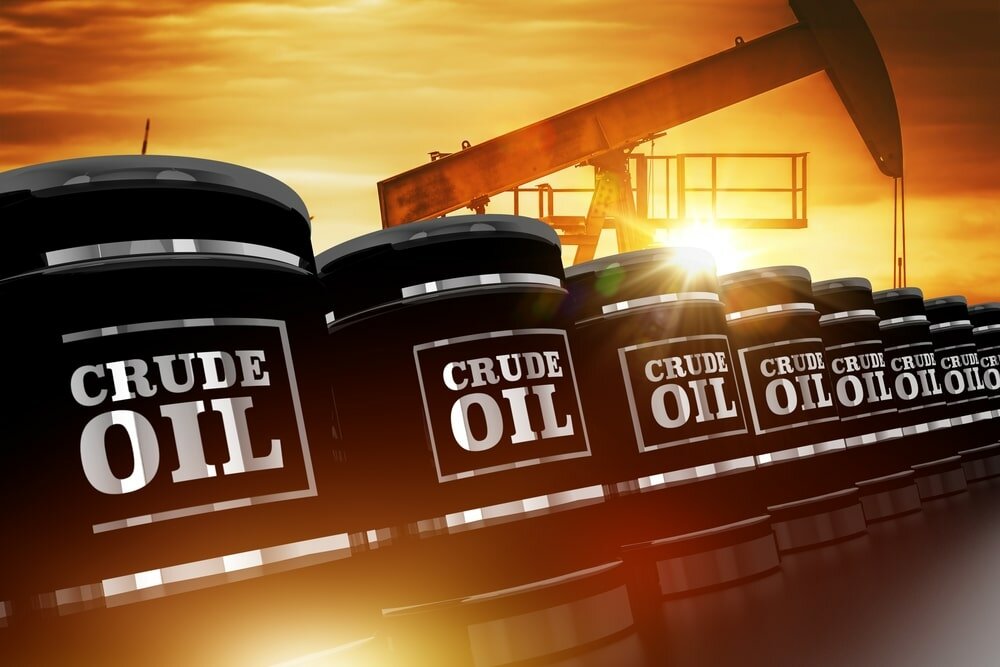
Kathmandu. The global energy market has come under intense pressure after Iran effectively closed the Strait of Hormuz, a crucial source of crude oil. U.S. President Donald Trump on Monday urged NATO allies and China to help reopen the waterway.
The price of oil in the international market has suddenly jumped by 40 to 50 percent after Iran closed this major waterway in the Gulf region in response to the ongoing war with the United States and Israel. As the war enters its third week, the price of crude oil appears to be hovering around $100 on Monday. Israel claims there are still “thousands of targets” inside Iran and says it is identifying new targets on a daily basis.
Trump said the United States was in talks with Iran but Tehran was unlikely to reach an immediate agreement to end the war. “I don’t think they’re ready yet, but they’re very close,” he said. Earlier, Iran’s foreign minister said he had rejected any talks with Washington.
US President Donald Trump has asked countries such as China, France, Japan, South Korea and Britain to send naval ships to protect oil tankers passing through the Strait of Hormuz. Speaking to the Financial Times, he said that it would be appropriate for countries benefiting from the Strait of Hormuz to help prevent any untoward incidents in the region. European countries and China are more dependent on oil from the Gulf region than the United States.
Trump also threatened to cancel a summit with Chinese President Xi Jinping later this month if Beijing did not cooperate with efforts to reopen the Strait of Hormuz. “Rejection of the request could have negative implications for NATO’s future,” he said. Japan and Australia have said they have no plans to deploy troops for now.
Meanwhile, Iran has warned other countries not to get directly involved in the war in the Middle East. In a phone call with French Foreign Minister Jean-Noel Barot, Iran’s Foreign Minister Abbas Araghchi urged Iran to refrain from any attempt to escalate the conflict. He accused the US military presence in the name of regional security of escalating tensions instead of solving the problem and called on neighbouring countries to “drive out foreign aggressors”.
With the war, Iran has intensified its attacks on various locations in the Middle East where US troops are based. An Italian unmanned aerial vehicle (UAV) was destroyed in a drone attack on Kuwait’s Ali Al Salem airbase, the Italian military said. Italy’s Foreign Minister Antonio Tajani downplayed the incident and said his country was not at war with anyone.
According to Iraqi officials, five people were wounded when a rocket hit the US consulate near the US diplomatic facility at Baghdad International Airport. Iran’s Revolutionary Guards say it has so far fired 700 missiles and 3,600 drones into US and Israeli targets.
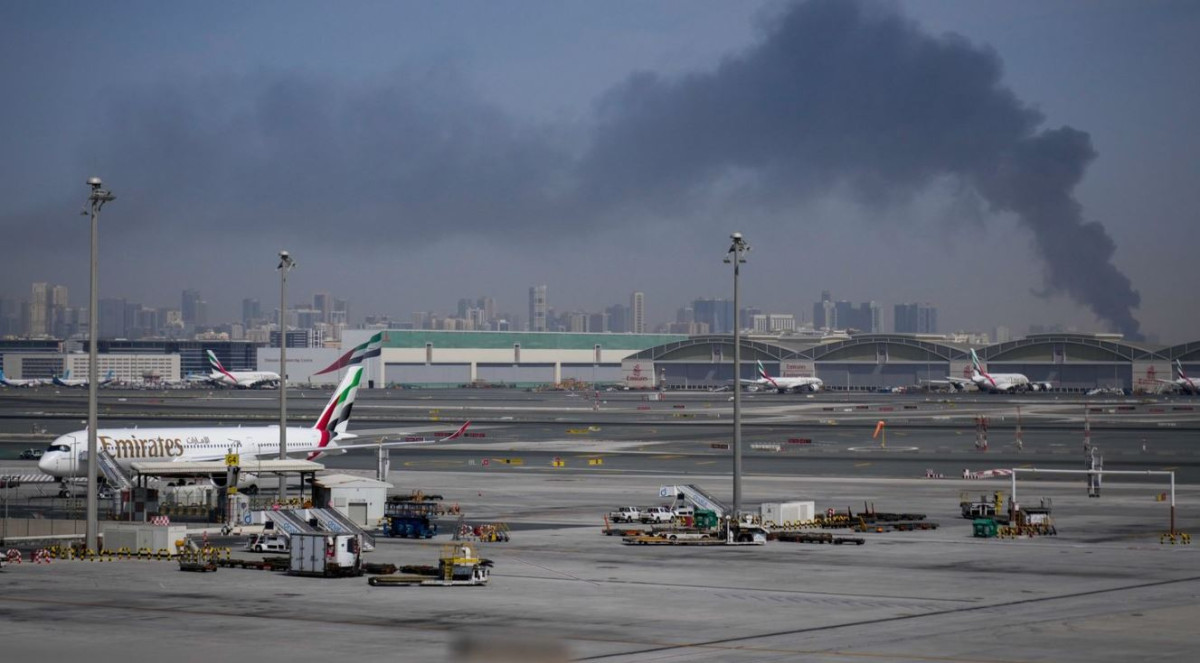
Saudi Arabia also said it had intercepted more than 60 drones since midnight on Monday. The flight had to be suspended for some time after a fire broke out near Dubai Airport following a drone-related incident. French President Emmanuel Macron said the attack on French interests was unacceptable after an Iranian-designed drone strike killed a French soldier in Iraq’s Kurdistan region.
Meanwhile, the conflict appears to have spread to Lebanon. Israel says it has launched new airstrikes on the southern suburbs of Beirut. The International Energy Agency (IEA) said it would start sending about 400 million barrels of oil from strategic reserves to member states to avoid a supply crisis. Countries in the Asia-Oceania region will provide reserves immediately, while Europe and the Americas are expected to follow in the coming weeks.
Japan, which relies on 95 percent of its oil coming from the Middle East, said in a government gazette that the country’s oil reserves were declining. The move would force storage managers to release some of their oil to the market.
After the closure of the Strait of Hormuz, its impact has started to be seen in many countries of the world. Australian authorities are urging people not to shop in the face of rising prices and panic buying. In India, due to import disruptions, restaurants have started changing menus to save on cooking gas.
Emma Futerleb, a landscaper who lives near Sydney, said fuel prices were putting pressure on her budget. “It’s had a direct impact on our spending,” he says.
In Tehran, life seems to be gradually returning to normal in the days after the war began. Traffic has picked up in the city compared to last week, and some cafes and restaurants have reopened. As the Persian New Year approaches Nowruz, many stalls in the popular Tajrish market have started opening. Long queues were seen at ATMs to withdraw cash, while the online services of the country’s largest bank, Meli, were disrupted for the past few days.
The situation is similar in areas outside the capital. Ali, 49, from the town of Tonecabon in Mazandaran province on the Caspian Sea, told AFP that shops were open and crowded. However, he said that he is feeling the increase in prices. The main square is closed every night and government demonstrations are taking place, he said. It is said that due to the closure of external internet services, only intranet is running in the country.
According to Iran’s Health Ministry, more than 1,200 people have been killed by US and Israeli strikes, although this figure could not be independently confirmed. The United Nations refugee agency has said that about 32 lakh people have been displaced in Iran.













प्रतिक्रिया दिनुहोस्