


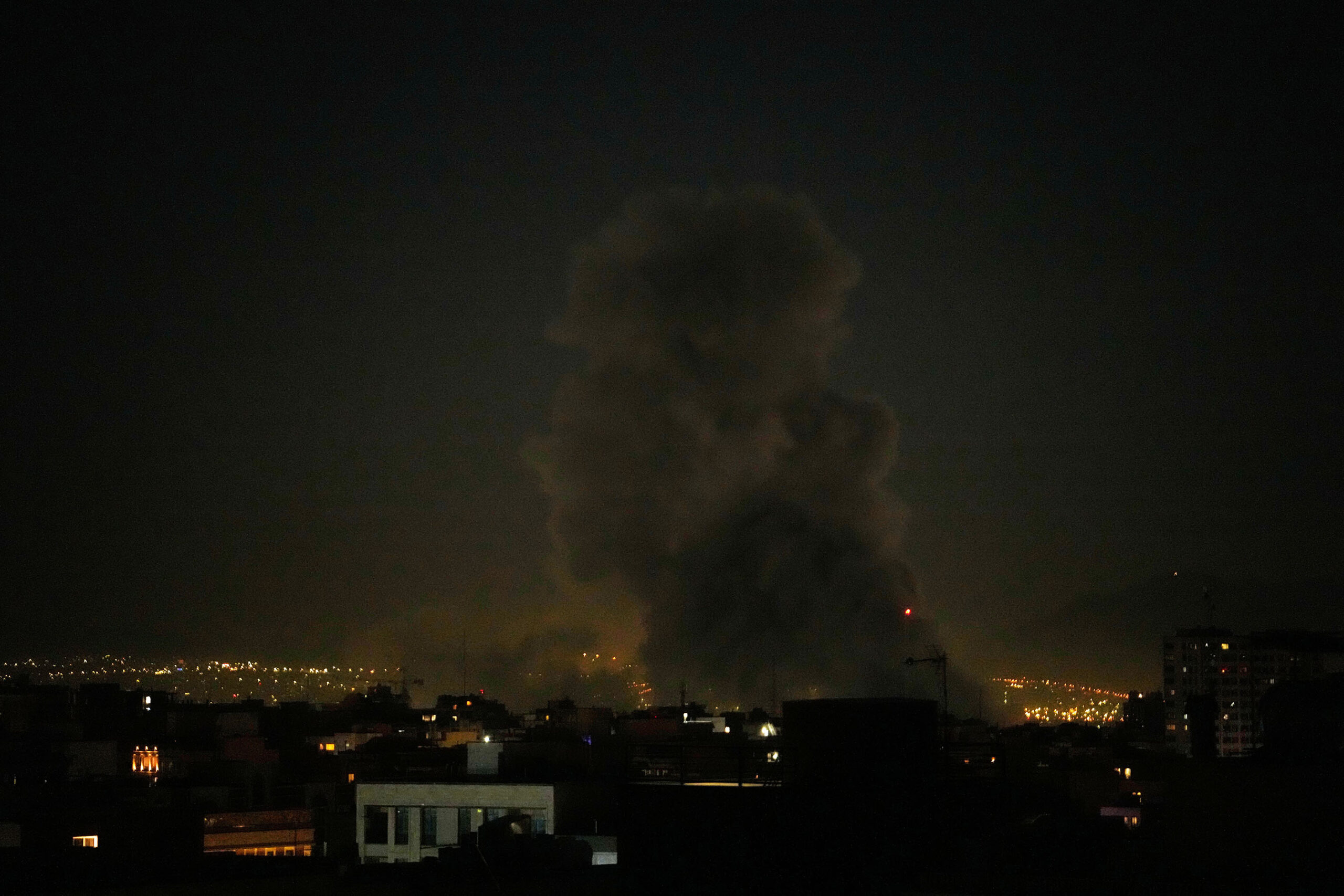
Kathmandu. The war in the Middle East has disrupted the strategic Strait of Hormuz, putting severe pressure on food supply systems in the Gulf countries. This has a direct impact on consumer prices. Although there is no shortage of goods in the market, daily living has become expensive due to the rapid increase in prices.
Mahmoud Ali, a consumer in Bahrain, said that although goods are easy to find in supermarkets, prices of some food items have increased significantly in recent days. According to him, the price of meat, in particular, has almost doubled. Like most Gulf countries, Bahrain, which is dependent on imports for food supplies, has directly affected prices.
Shipments through the Strait of Hormuz have come to a standstill as regional conflicts escalate since the Israeli-US invasion of Iran on February 28. This has led to either suspended or significantly reduced cargo processing at major ports in the United Arab Emirates, Qatar, Kuwait and Bahrain. According to economist Frederick Schneider, air transport has not been able to operate at full capacity due to continuous drone and missile attacks.
The situation has rendered the Gulf’s major sea gateways ineffective. Traffic has been disrupted at the ports of Abu Dhabi, Jebel Ali in Dubai and Dammam in Saudi Arabia, while ships have been diverted to alternative ports in Oman and the south of the strait. Saudi Arabia is trying to establish itself as an alternative supply hub through open airspace and Red Sea ports.
Saudi Arabia said it had launched an initiative to add new logistics routes and operational corridors to handle cargo diverted from the eastern port, in a bid to ease traffic disruptions. There has been an increase in the movement of heavy trucks along the border with Qatar, indicating an increase in the use of land routes. However, land routes to the Mediterranean via Syria or Jordan are limited, expensive and inadequate, experts say.
Fresh foods, in particular, have been hit hardest, as they are mostly imported from Asia and cannot be stored for long periods of time. In such a situation, the preparations of the Gulf countries are different. Saudi Arabia has alternative access to the Red Sea, while the United Arab Emirates has reserves that last between four and six months. After the 2017 blockade, Qatar also made significant investments in strategic storage.
But countries such as Bahrain and Kuwait are beginning to feel the direct effects. In Kuwait, the government took steps to control prices of some basic commodities and suspend subsidized meat imports after supermarkets were crowded in the early days. Kuwaiti officials said that although overall prices have remained stable, the price of meat and fish has increased by more than 30 percent, due to the halt in fishing activities and the halt in imports from Iran, India and Pakistan.
The private sector is also trying to manage the supply. The Lulu retail chain said it has a stock of non-perishable items that last four to six months and is operating special flights to bring fresh food items. According to the company, more than 6,000 tons of fresh goods have been imported from 37 chartered flights so far.
Schneider said that while inflation is under control, there is a “substantial risk” that imported food prices could rise further if the war prolongs. The Hormuz blockade is, therefore, not just a strategic crisis but a long-term food security challenge for the Gulf region.


















प्रतिक्रिया दिनुहोस्