


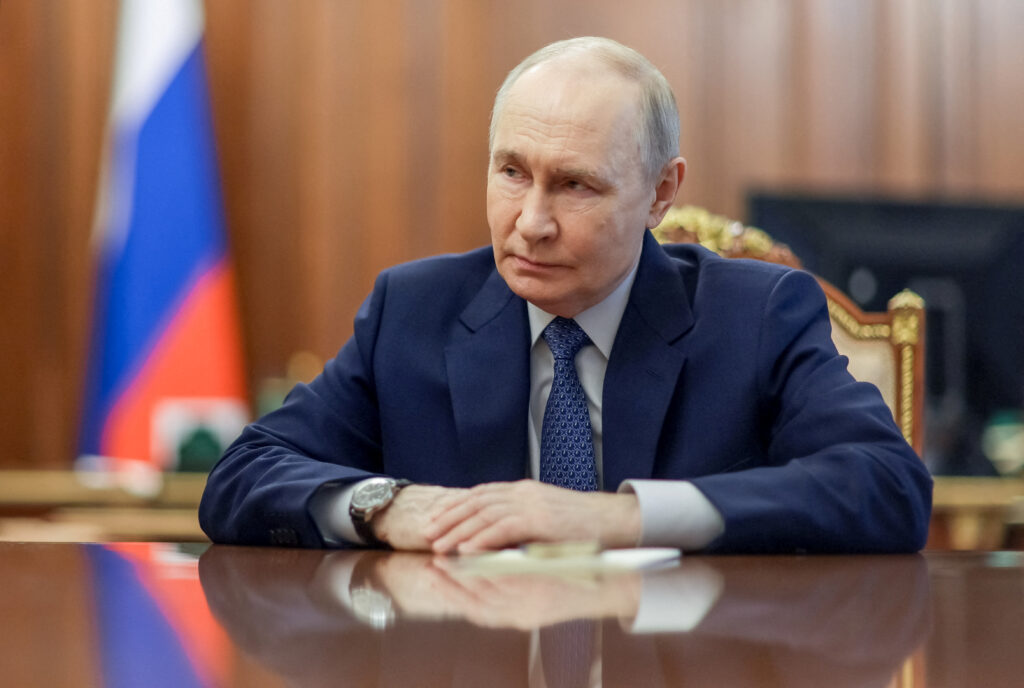
} Russia, which has been under US sanctions, has had a positive impact with the war in Iran. While the price hike has provided temporary relief, the long-term benefits appear uncertain. Presidential spokesman Dmitry Peskov said that rising oil prices and temporary relief from some restrictions could boost the country’s income for some time. This is expected to have a direct positive impact on the budget. But the current situation does not indicate that the economic problem will be solved in the long run. ‘
Russia has been grappling with economic problems in recent months.TAG_OPEN_p_43 The main challenges are currency exchange rate, trade deficit, decrease in energy income, disruption in manufacturing industry and fluctuation in foreign investment. Current tensions with Iran and the war in the Middle East could keep oil prices high for some time, but there is no certainty of the long-term impact. Experts say it depends entirely on the direction of the war, the opening or non-opening of the Strait of Hormuz, and global political decisions.
In the first week of the start of the war, the world market appeared to be very stable.TAG_OPEN_p_42 Although oil prices were rising slowly, there was no major jump. Analysts hoped that the conflict might end soon. But as time went on, there was growing concern that the war would be protracted. The main concern is the risk of disruption of energy supply routes.
Markets became sensitive as the possibility of the closure of the Strait of Hormuz, one of the world’s most important energy routes, increased. The strait carries a large portion of the world’s seaborne oil supply, especially oil from the Middle East, to various countries. In 2025, about a quarter of the world’s marine oil trade would pass through the route.
According to analysts, the price of Russian crude oil ‘Urals’ has increased by about 70 percent since the start of the war.TAG_OPEN_p_40 The price of oil exported to India has crossed $ 98 per barrel. Higher prices have provided Russia with some economic relief, but no long-term benefits are guaranteed.
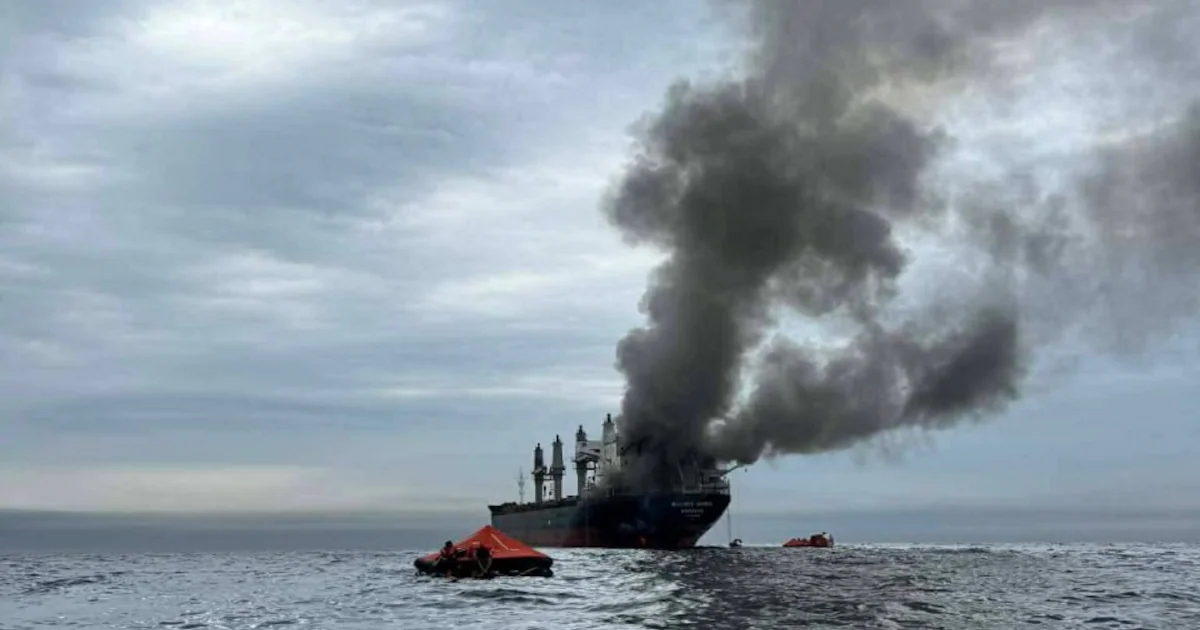
Since Iran accounts for only about 3.5 percent of the world’s oil supply, cutting off its supplies is not a big deal.TAG_OPEN_p_39 But if the Strait of Hormuz is closed, there is a big risk of destabilizing the global oil market. Shipping has come to a standstill since the war began. Insurance companies have raised insurance premiums exorbitantly or refused to insure some aircraft. Currently, only a few banned aircraft are crossing at risk.
According to analyst company Capeller, this is considered to be one of the biggest supply disruptions in modern history.TAG_OPEN_p_38 Although the strait has not been officially closed, there is speculation that if Iran tries to close it completely, it will take immediate military action. China can also stand against it because about 38 percent of China’s oil supply comes through this route.
Asian countries will be the most affected. 80% of the oil passing through the strait is for these countries. If the Strait of Hormuz remains closed for more than four weeks, there is a risk that the price of oil will reach $150.
Experts say that if Iran’s main oil terminal or sea loading system is attacked, oil supplies could be abruptly reduced. The impact of this will be seen in the global market immediately. This could push oil prices even higher.
The future of TAG_OPEN_p_35 the market depends largely on the opening or non-opening of the Strait of Hormuz. Kepler predicts that the war could end in late March or mid-April, depending on the most likely scenario. Russia’s oil prices could average around $66-67 a barrel this year.
However, in the short term, the price may fluctuate sharply.TAG_OPEN_p_34 The midterm elections are approaching in the United States. Due to the sensitivity of the President to prevent the increase in petrol prices, efforts will be made to control the situation.
Other analysts have said oil prices could hover around $80 if the situation remains less tense.TAG_OPEN_p_33 If a deal is reached to stop the war, the price could drop to $65.
Russia’s internal economic situation is still challenging.TAG_OPEN_p_32 The budget deficit is increasing rapidly. In 2026, the deficit is estimated to be more than 3,700 billion euros. The government has increased the VAT and is taking other steps as well.
Oil and gas revenues have decreased. Russian crude oil has been sold even cheaper than Brent after two big oil companies were banned. The price difference between the two has reached about $30 a barrel.
}Experts have speculated that a budget balance is only possible when oil prices rise significantly. For this, the price will have to reach about $ 200 per barrel. But such a situation also increases the risk that the ruble will become too strong and the industry will not be competitive.
The current situation has provided temporary relief to Russia. But in the long term, much depends on the resolution of the economic problem, the reduction of the budget deficit, and the stability of the currency. High oil prices and temporary easing of sanctions have provided temporary relief, but are not a sure sign of long-term economic recovery.
Experts are of the common view that the current situation may provide temporary benefits, but the long-term impact depends on the reaction of the global market, political decisions, duration of war, and the timing of the opening and closing of the energy route.TAG_OPEN_p_28 If tensions in the Middle East persist for too long, instability in the global oil market will increase.
Russia’s current strategy is clear.TAG_OPEN_p_27 At a meeting attended by President Vladimir Putin, they expressed their readiness to expand exports. Plans have been put forward to encourage Russia’s trusted partners to export more. This will give Russia some opportunity to maintain competition in the market.
TAG_OPEN_p_26 But economists warn that current oil prices may not bring about a full budget balance. The Russian budget deficit is still challenging. The exchange rate of the ruble will also have an impact in the long run. If the price of Brent oil reaches $200, it will be difficult to sustain the ruble at its current rate.
So while Russia may benefit from the current increase in oil prices, it needs to strike a balance in all political, economic, and market aspects for long-term economic strength.
While the increase in oil prices will provide immediate relief, Russia’s economic situation is still sensitive. Budget deficits, currency instability, production disruptions and restrictions will continue to pose challenges in the long term.
According to analysts, Russia can reap immediate benefits, but it needs to strike a balance in many respects to achieve long-term economic strength.TAG_OPEN_p_23 This situation will depend largely on the outcome of the Middle East war, the timing of the opening and closing of the Strait of Hormuz, and the global political decision.


















प्रतिक्रिया दिनुहोस्