Good Governance Roadmap: Result-oriented Budget, Transparent Tax System, Faceless System
लगानी न्यूज
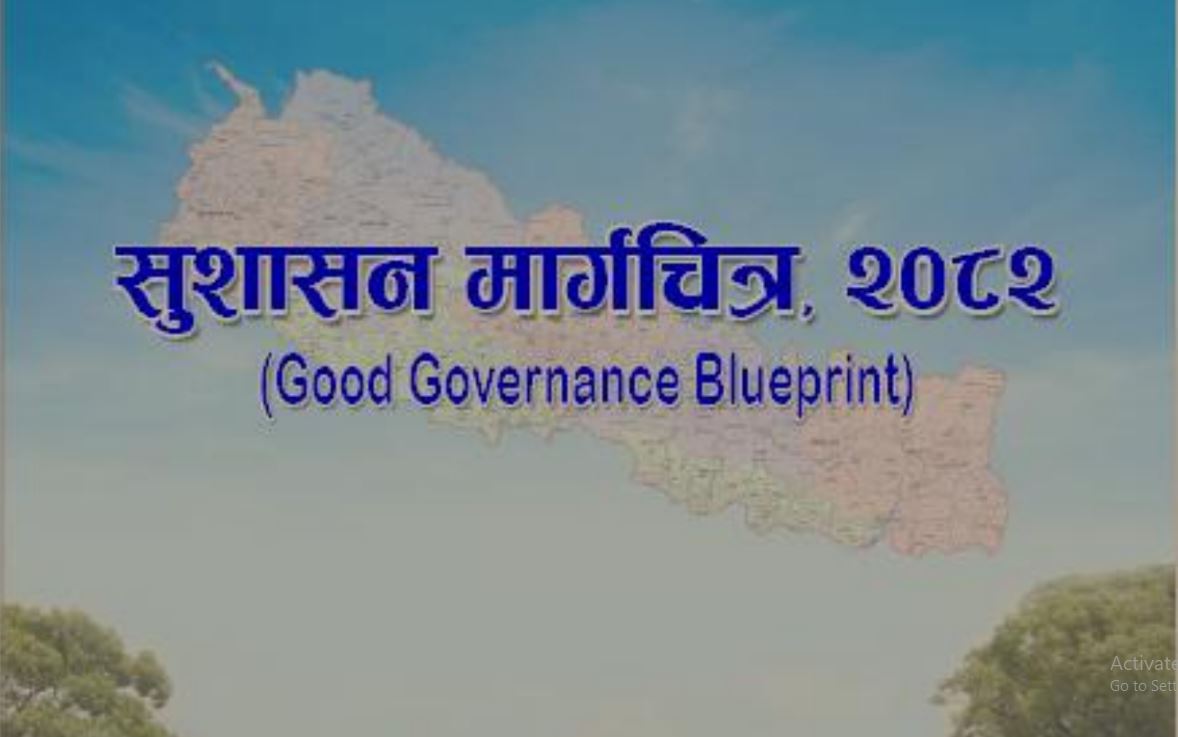
. The ‘Good Governance Roadmap, 2082’ unveiled by the government today, has laid emphasis on long-term policy stability, transparency and result-oriented management by incorporating areas ranging from tax administration to fiscal transfer, budget formulation and capital market.
The roadmap unveiled by the Office of the Prime Minister and Council of Ministers has pointed out the need to make the tax system just, progressive and transparent, especially keeping the citizen’s expectation at the centre.TAG_OPEN_div_46
The road map outlines the tax expectations of the citizens in detail and states, “A just and progressive tax system should be developed that will be taxed according to income and capacity, which will protect the low-income groups and ensure the appropriate contribution from the higher income groups.”TAG_OPEN_div_44 Clear information about where and how the revenue was spent should be made easily available to the citizens, and the budget and expenditure details should be made public and accessible. ”
Similarly, the roadmap also emphasizes on making tax administration simple, ‘digital’ and hassle-free.TAG_OPEN_div_42 “Tax registration, filing and payment processes should be completely simplified and made digital, unnecessary paperwork should be eliminated and the situation of taxpayers standing in queues should be eliminated,” the road map states । ”
Similarly, in order to ensure equitable and fair implementation of taxes, exemptions or rate changes should be avoided on the basis of political influence. The roadmap has recommended ending bribery and collusion in tax determination and collection, strengthening internal control system and digital tracking, keeping corruption control at the centre.
Similarly, putting forward the concept of service-oriented tax administration, the document states that the tax office should be made service-seeker-friendly, a mechanism should be developed to resolve the complaints quickly and the rights of taxpayers should be protected.TAG_OPEN_div_38 “The right to review of tax assessments should be ensured and taxpayers should be protected from unfair fines or harassment,” the roadmap states.
Likewise, it has stressed the need to define clear jurisdiction to end the double taxation system seen due to lack of coordination among the federal, provincial and local levels. The roadmap towards the budget system points out the need for a transparent and open process, need-based priorities and inclusive distribution. “Clear information about budget formulation, appropriation and expenditure should be made public. Adequate investment should be made in basic sectors such as education, health, employment and infrastructure. The budget should be free from limited areas or influence of influential people,” the roadmap states.
Pointing out the need to make the budget expenditure result-oriented, the road map states, “Spending money alone is not enough, it should show tangible achievements and service improvement.”TAG_OPEN_div_34 The tendency to spend in June should be stopped and timely implementation should be ensured. ”
It has also suggested setting up a common project bank and developing a coordinated budget system to resolve the problem of duplication of resources due to lack of coordination among the three tiers of government.TAG_OPEN_div_32 It is stated that the budget formulation process should be conducted by incorporating the suggestions of the citizens and not from the pocket of the minister or high-ranking officials.
The recommendations for the TAG_OPEN_div_30 reform include that intergovernmental financial transfers should be transformed not merely from resource allocation but also as a strategic tool for reducing regional inequalities. “The open budget portal should be made public in real time appropriations and expenditures, data-based priorities should be set and result-based budgeting system should be implemented,” the roadmap states.
The roadmap towards revenue administration reform emphasizes the development of a fully digital system, interconnected information technology infrastructure, and a risk-based tax audit system. “E-registration, e-filing, e-payment and e-invoicing systems should be fully implemented and tax evasion should be controlled using artificial intelligence,” the document reads.
Likewise, it has been suggested to minimize direct contact between taxpayers and employees by implementing a faceless audit system in tax administration and institutionalizing corruption control. The road map towards non-tax revenue states that the scope of income earned from the use of natural resources, service charge, royalty and the use of natural resources should be strictly enforced, and the provision of making effective use of public property and compulsorily depositing all income in the consolidated fund. It also pointed out the need for restructuring and professional management of low-yielding public enterprises.
{{TAG_OPEN_div_24} The guidelines suggest the implementation of a fully digital, paperless and faceless system, developing a risk-based checking system and increasing the use of modern technology for the improvement of customs administration. “All declaration, evaluation, payment and clearance processes should be made online, electronic data interchange system should be strengthened and direct contact between service recipients and employees should be minimized,” the roadmap states.



















प्रतिक्रिया दिनुहोस्