


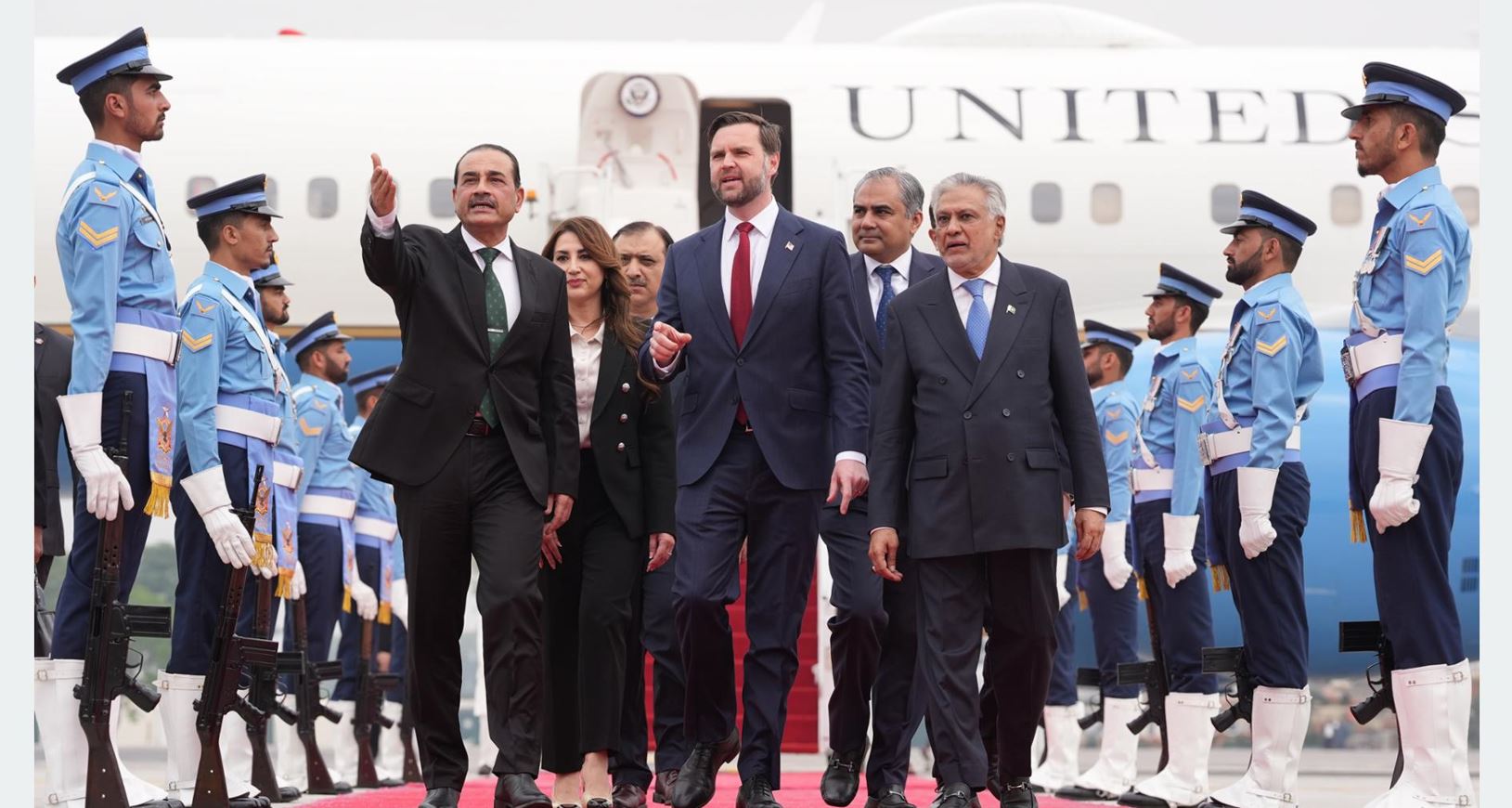
. Iran and the United States, brokered by Pakistan, have ended without any concrete agreement. U.S. Vice President J.D. Vance said Sunday that the talks were inconclusive after a marathon 21-hour discussion.
Speaking to reporters after the talks, he said Washington was seeking a “fundamental commitment” from Tehran not to develop nuclear weapons, but there was no clear sign of that. Such high-level dialogues after the 1979 Islamic Revolution were considered important but did not achieve the desired results. He said the US had made a “final and best offer” to Iran and had been given some time to make a decision.
Meanwhile, the United States and Israel have indicated that they will suspend talks for two weeks from Tuesday. The conflict, which erupted after the US and Israel invaded Iran on February 28, has destabilized the region and affected the global economy. Tensions escalated after Iran retaliated after the attack.
During the talks, both sides presented their strong stands. Iran’s side accuses the US of sending warships to remove mines in the Strait of Hormuz. About one-fifth of the world’s oil supply is a major source of oil supply through the strait.
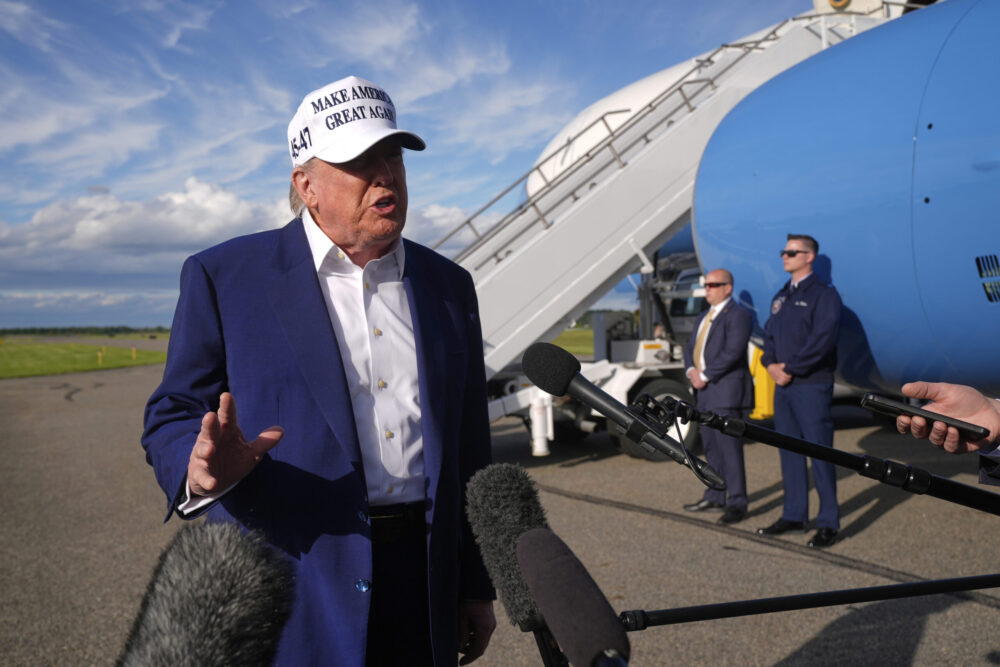
US President Donald Trump said he was not particularly concerned about the outcome of the talks. He claimed that the US had already emerged victorious on the battlefield and that Iran’s leadership had been weakened and its military infrastructure had been damaged. “It doesn’t matter whether there is an agreement or not, we have already won,” he said.
Tehran, on the other hand, has demanded that any possible deal require the release of its confiscated assets and a halt to Israeli attacks against Hezbollah in Lebanon. But Vance made it clear that these issues were outside the scope of the Islamabad talks.
The Iranian delegation was led by the speaker of the Iranian parliament, Mohammad Bagher Galibaf, and Foreign Minister Abbas Araghchi. Trump’s close aides Steve Witkoff and Jared Kushner were also part of the team. Iran had some expectations for the talks, especially because of Vance’s presence and his anti-war stance in the past.
Since the start of the war, Iran has controlled the Strait of Hormuz and dominated the world oil market. The rise in oil prices has also created political pressure in the United States. Although the US military claims that it is trying to secure the strait, Iran has not acknowledged any such action and has threatened to respond strongly if interfered.
Meanwhile, the conflict between Israel and Hezbollah in Lebanon continues. The death toll from the Israeli attack has exceeded two thousand, according to Lebanese officials. Israel and Lebanon are due to hold separate talks in Washington next week. Israeli Prime Minister Benjamin Netanyahu has expressed his desire for a long-term peace deal but agreed to an immediate ceasefire with Hezbollah.
At the same time, there is deep distrust of the United States within Iran. “The experience of negotiating with the US has always been associated with failures and broken commitments,” Ghalibaf said. However, both sides have indicated that they have not completely closed the diplomatic door.
Experts say the participation of a large, high-level Iranian team shows that they are serious about the possibility of a deal, but mutual mistrust and regional complexities have pushed the deal away.













प्रतिक्रिया दिनुहोस्