

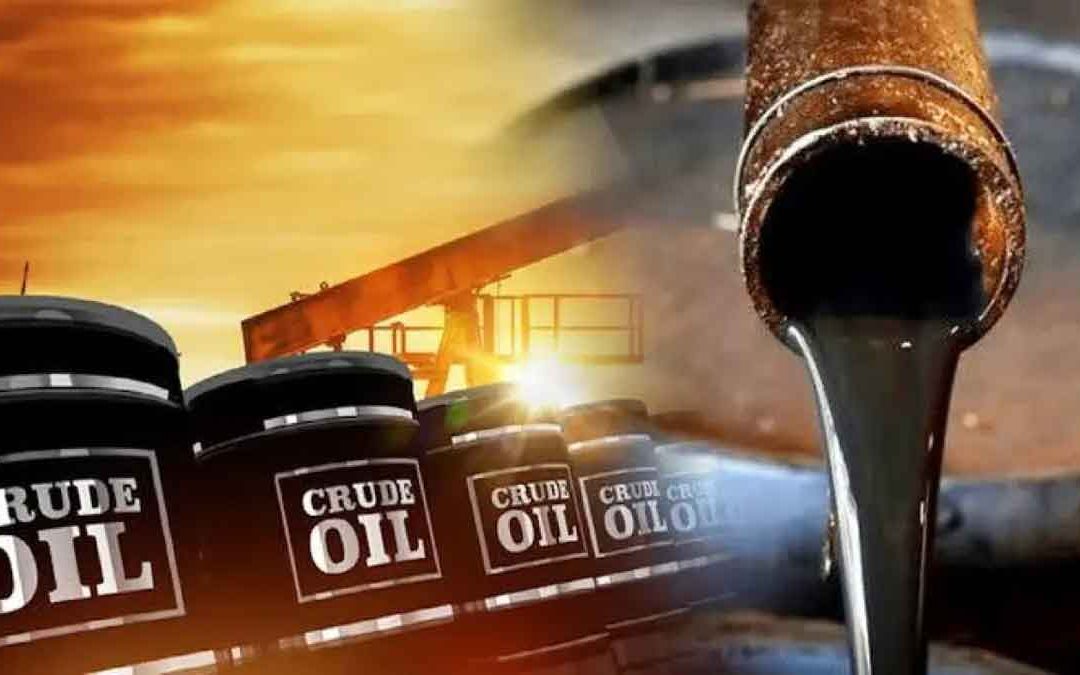
. The war in the Middle East has led to fuel shortages and discontent in many countries of Asia. Troops have been deployed to protect major oil depots in Bangladesh as the situation has escalated.
Bangladesh, heavily dependent on oil imports, imports about 95 percent of its energy needs. Long queues have been seen at petrol pumps in Dhaka, the capital Dhaka, amid fears of fuel shortages. To beef up security, the army has been stationed at major depots and police patrols have been increased around petrol pumps.
Ashrafuzzaman Dulal, an employee at a petrol pump in Dhaka, said motorcyclists had vandalised the station because of the lack of supplies. According to him, the incident took place on Sunday when the drivers were not convinced that fuel had not arrived from the depot.
On Tuesday, Shah Jahan Traders, one of the oldest stations in the capital, posted a notice apologizing to customers saying that they had run out of fuel.
The government of Bangladesh, which has a population of 170 million, has started fuel rationing to control the situation. Students have been sent home due to lack of energy, and light displays at public festivals have also been canceled.
Meanwhile, a youth was killed in a clash with fuel employees in the southern district of Jhenaidaha on Saturday night, police said. After the death of the 25-year-old, angry mobs torched three buses and vandalized a filling station.
On Tuesday, a 1.5-kilometre-long queue was seen in Dhaka’s city centre. Kamrul Hasan, who had been waiting for a long time, said his boss had left the car in line and used a rickshaw to reach his destination.
Akhtar Hussain, an employee at the petrol pump, said that the crowd does not subside for hours. “We never saw such a large crowd during the Gulf War,” he said.
U.S. oil prices fell on Tuesday after U.S. President Donald Trump said the U.S.-Israel war with Iran “may end soon”. But before that, the price of crude oil in the international market had crossed $ 100 per barrel. This is the highest level seen since Russia invaded Ukraine in 2022.
The volatility in the market has increased after Iran targeted the Gulf region with missile and drone attacks. Since the start of the war, sea traffic in the Strait of Hormuz has also been affected. About one-fifth of the world’s crude oil is transported through this route, so its impact has been seen in the world market.
The impact of the fuel crisis is also being felt in other Asian countries. Thousands of motorcyclists lined up in Vietnam on Tuesday for gasoline. The price of unleaded petrol has increased by more than 20 percent.
However, Vietnam has so far avoided major shortages after the government removed tariffs on imported petroleum products. Tuan, a 57-year-old man from Hanoi, said he was “disappointed” by the long wait for petrol.
According to him, after standing in line for about an hour, when it was his turn, the pump system was shut down, due to which many drivers were disappointed.
In the Philippines, there have also been queues of vehicles at petrol pumps this week. Authorities have warned against stockpiling fuel, and similar scenes have been reported in Pakistan and Sri Lanka.
Enrico Guada, a gas station attendant in Metro Manila, said the daily workload has doubled as people have started rushing to refuel in anticipation of further price rises.
The situation in Myanmar is even more difficult. The country, which imports about 90 percent of its fuel, was already in short supply due to the civil war. In a bid to conserve oil reserves, the government has banned half of private vehicles from plying on the roads every day.
Hla Hate, a 56-year-old car rental entrepreneur, said the rules were making it harder for drivers who depend on them to run their businesses.
In the border town of Tacilik, some petrol pumps have been closed due to a drop in supplies from Thailand. Fuel prices tripled last week.
However, some countries, such as Japan, Indonesia, China, India and Afghanistan, have not yet seen major crises.
Lee In-tae, a 42-year-old businessman in Seoul, said he had refueled more often than ever as a precaution. “I used to fuel my car once a week, but now I try to fill it up as soon as I see a cheaper pump,” he said.













प्रतिक्रिया दिनुहोस्