



. At a time when the war in the Middle East is affecting the global economy, its impact is also being seen in Nepal. Industrialists and businessmen of the respective sectors say that the impact of the escalating tension between the US, Israel and Iran has started to be seen in most of the industries and businesses of Nepal.
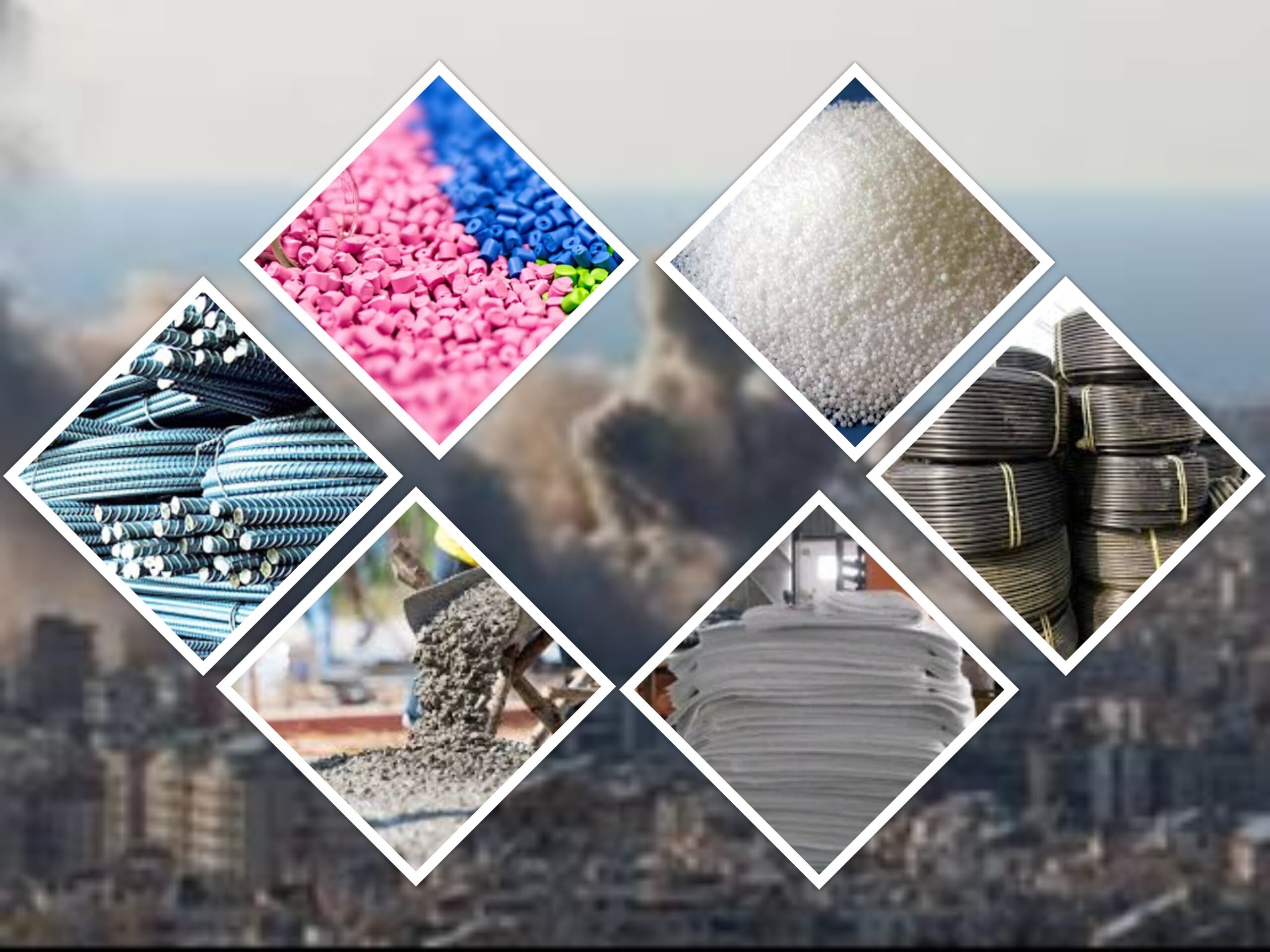
{{TAG_OPEN_p_46} The tension in the global economy due to the US-Israel-Iran war has also started affecting Nepal’s imports and exports. According to industrialists and entrepreneurs, the impact of this has been seen especially on petroleum products, urea fertilizer, plastic products, cement used in the construction sector and sticks. Rajesh Agrawal, proprietor of Shree Stills and president of industry under the Federation of Nepalese Chambers of Commerce and Industry (FNCCI), said that if the war continues for the next one month, there will be a shortage of everything in the market.
}’The Middle East is considered the world’s major energy hub. A large part of the world’s crude oil is produced and exported from this region,” Agarwal said. This has a direct impact on the price of crude oil in the international market. When prices are volatile, it affects all petroleum-based production. ’
Since plastic products are also based on petroleum, the increase in oil prices has a direct impact on the sector.TAG_OPEN_p_44 Agrawal said that the cost of plastic production will increase as raw materials like polythene, polypropylene and PVC are expensive. As a result, the price of plastic products increases in the world market, which is dependent on imports, he said. According to him, there is already a shortage of such goods in the market.
Issuing a press release on Sunday, the High Density Polythene Pipe Manufacturers Association of Nepal said, “HDP granules used in the HDP industry are produced from the processing of crude oil.TAG_OPEN_p_43
Supplies of raw materials from India and other third countries have been disrupted for the past few weeks due to the ongoing tension in the Middle East.TAG_OPEN_p_42 As a result, some industries are on the verge of shutting down their factories as there is zero stock of raw materials. ’
According to the association, the new prices of raw materials have increased by about 62 percent, saying that the price is determined by demand and supply in a competitive market.TAG_OPEN_p_41
“The increase in fuel prices has also increased transportation costs, and adjusting for the US dollar has put additional burden on the industry,” the statement said. The association has also clarified that the price of pipes produced by this has increased slightly.
The association is of the opinion that the extent of price increase cannot be estimated until the raw materials are easily supplied.TAG_OPEN_p_39 This will also have a direct impact on the development of the country’s drinking water and infrastructure sector. The cost of building such infrastructure is costly and cannot be completed on time. Industrialists say that it is difficult to provide pipes to the drinking water office and the organizations needing pipes.
The association has also appealed to the pipe industry to adjust the price and the deadline for the completion of work in the tender and sale agreement signed by the pipe industry, various water supply offices, non-governmental organizations, construction entrepreneurs and consumer committees, local bodies.TAG_OPEN_p_38
Similarly, most of the plastic products used daily in Nepal are imported from abroad.TAG_OPEN_p_37 Items such as water bottles, plastic glasses and plates, food containers, buckets, mugs, bags are directly connected to the daily routine of the common man. Plastic wrappers used for food packaging are also dependent on imports. An official of the Department of Customs says that the increase in the prices of such items will double the cost of ordinary consumers.
The use of plastics is also widespread in the construction sector—such as PVC pipes, water tanks, electrical wire covers, flooring materials, etc.TAG_OPEN_p_36 The increase in their prices will increase the cost of house construction and infrastructure development. The official told InvestmentNews{} that this is likely to slow down the construction sector.
Major sea routes through the Middle East—especially the Strait of Hormuz—are vital to world trade.TAG_OPEN_p_35 The route has been closed due to the increased risk of war. “As a result, ships have been forced to use alternate routes. This increases both import time and cost. The increase in insurance premium, delay in transportation and increased risk will create more challenges to import goods to Nepal,” said the customs officer.
}’Since Nepal is a landlocked country, the dependence on the sea route is even more. Most of the goods coming through Indian ports reach Nepal by sea,” the customs official said, adding that the global transport crisis will disrupt the supply chain and create a shortage of goods in the market. He believes that along with the shortage, the possibility of black market and price hike will also increase.
The impact of this war will also be seen in the agricultural sector.TAG_OPEN_p_33 Natural gas required for urea fertilizer production is directly related to the Middle East region. Officials say that if the supply of gas is affected, urea production will decrease and there will be a shortage in the global market.
Nepal’s farmers depend on urea fertilizer for the production of paddy, wheat, maize and other crops.TAG_OPEN_p_32 There will be a risk of production decreasing due to shortage of fertilizers, increasing the price of food grains and increasing import dependence. This can pose a serious challenge to food security.
Along with this, the cement and rod (iron rod) industries used in the construction sector have also started to be affected. Although limestone is the main raw material for cement production, coal, gypsum and other materials are dependent on foreign imports. Raghu Nandan Maru, president of Nepal Cement Manufacturers Association, said that the cost of cement production has increased due to the increase in the price of coal.
Maru says that the price of cement has been further pressured due to the increase in the cost of electricity and fuel required for the operation of the industry.TAG_OPEN_p_30 “The cement packing sacks are made of plastic. The coal used for production is not produced in Nepal,” he said. As a result, the price of cement has increased by Rs 50 to Rs 100 per sack. He said that there is a shortage of sacks in the market.
The raw materials used in the production of rods—iron ore, scrap iron, coking coal—are also dependent on imports.TAG_OPEN_p_29 When the price of coal and iron increases in the international market, the cost of production increases. This will increase the cost of construction and affect everything from house construction to big infrastructure projects.
Like Nepal’s plastic industry, cement and steel industries are also dependent on imports for raw materials.TAG_OPEN_p_28 When raw materials become more expensive, the cost of production increases, which reduces the profitability of industries. Some industries may have to reduce or stop production. Maru says it will also have a negative impact on employment.
Health equipment has also been affected due to the war. Since syringes, IV bags, and medicine packaging are based on plastic, the price of these products will increase in the cost of healthcare, which can affect the accessibility of the public.
Plastic is also widely used in electronics and household appliances.TAG_OPEN_p_26 Plastic is used in the exterior and interior of appliances such as mobile phones, computers, televisions, refrigerators, etc. According to industrialists and entrepreneurs, the increase in the prices of such goods will reduce the demand in the consumer market and affect the business sector.
The increase in the price of plastic materials used for agricultural modernization — such as mulching, greenhouse covers, irrigation pipes — has made it difficult for farmers to adopt modern technology.


















प्रतिक्रिया दिनुहोस्