

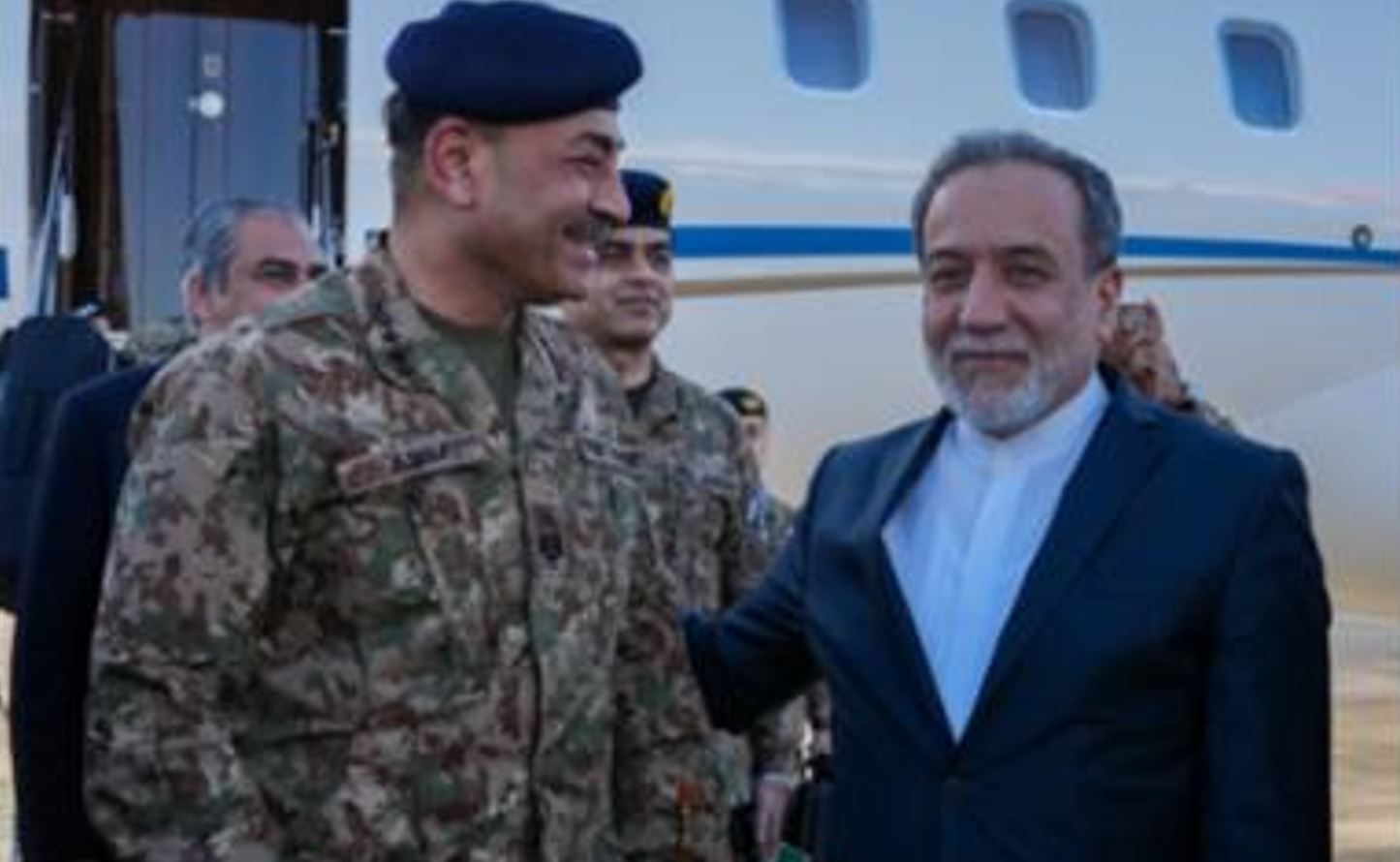
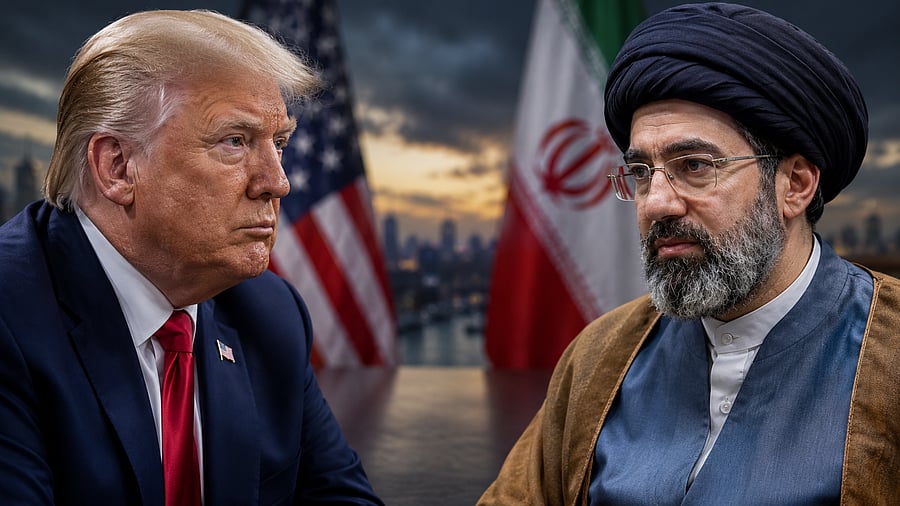
Kathmandu. Pakistan has emerged as the new key mediator at a time when efforts are intensifying to resolve the seven-week-long US-Iran war through diplomatic channels. At the same time, the Pakistani army chief has reached Tehran and is preparing to take the next stage of talks with the Iranian leadership.
The high-level initiative, aimed at easing rising tensions in the Middle East, has revived the possibility of a second round of direct dialogue between the US and Iran. The White House has also said that further talks could take place in Islamabad, but no official decision has been made.
Earlier, direct talks in Islamabad helped reduce differences between the two sides, officials said. As a continuation of this, Pakistan is trying to create an environment for renegotiation, especially with the goal of starting another phase before the ceasefire expires.
But along with diplomatic efforts, pressure tactics are also ongoing. US Treasury Secretary Scott Besant has said that the Trump administration is preparing to impose more economic sanctions on countries doing business with Iran. He described it as the “financial equivalent” of a bombing.
According to regional sources, the US and Iran have reached an “agreement in principle” on extending the ceasefire, which will provide time for further talks. However, the agreement remains at a sensitive stage due to US sanctions on Iranian ports and Tehran’s strong response.
Iran’s Foreign Minister Abbas Araghchi held preliminary talks with Pakistan Army Chief General Asim Munir. But strong statements from Iran’s military leadership indicate that the situation is more complicated. Iran has threatened to block regional trade if sanctions are not lifted, while advisers to the Supreme Leadership have expressed dissatisfaction with the extension of the ceasefire.
The main obstacles to the talks are also clear. Negotiators are mounting pressure to reach an agreement on three issues — Iran’s nuclear programme, control of the Strait of Hormuz and reparations for war damage. Iran has said it is ready to discuss uranium enrichment but has reiterated its insistence that it should be allowed to enrich uranium.
The impact of the war is being felt worldwide. The energy market has been volatile as oil shipments through the Strait of Hormuz have been affected. Prices of fuel, food and other essential commodities have soared across the globe as oil prices have skyrocketed. However, oil prices have recently fallen in hopes of ending the war and the US stock market has also touched new highs.
Meanwhile, China has also supported the diplomatic initiative and called for the reopening of the Strait of Hormuz. Chinese Foreign Minister Wang Yi said that opportunities for peace are open and Iran’s sovereignty should be respected and freedom of navigation should be ensured.
The U.S. military says the blockade on Iranian shipments is still effective. So far, no ships have crossed the blockade, and some ships have been turned away. The move is aimed at putting more economic pressure on Iran.
Meanwhile, tensions on the Israeli-Lebanese front have not abated. Israeli airstrikes and ground operations continue in southern Lebanon. Israeli Prime Minister Benjamin Netanyahu said the campaign against Hezbollah would continue. Lebanon’s health ministry said three paramedics were killed and others wounded in the latest attack. This indicates that the humanitarian crisis is deepening.
The situation seems to have been complicated by the fact that the conflict with Lebanon has not officially ended since the creation of Israel in 1948. Pakistan’s mediation in this overall situation is expected to open up new possibilities for a diplomatic solution.












प्रतिक्रिया दिनुहोस्