


Kathmandu. The government has presented a budget of Rs 2.124 trillion for the fiscal year 2083/84. For the first time, information technology and digital innovation have been presented as the main pillars of the country’s long-term economic strategy.
The government has positively embraced the government’s goal of transforming Nepal from an import-based economy to a “weightless high-value digital economy”.
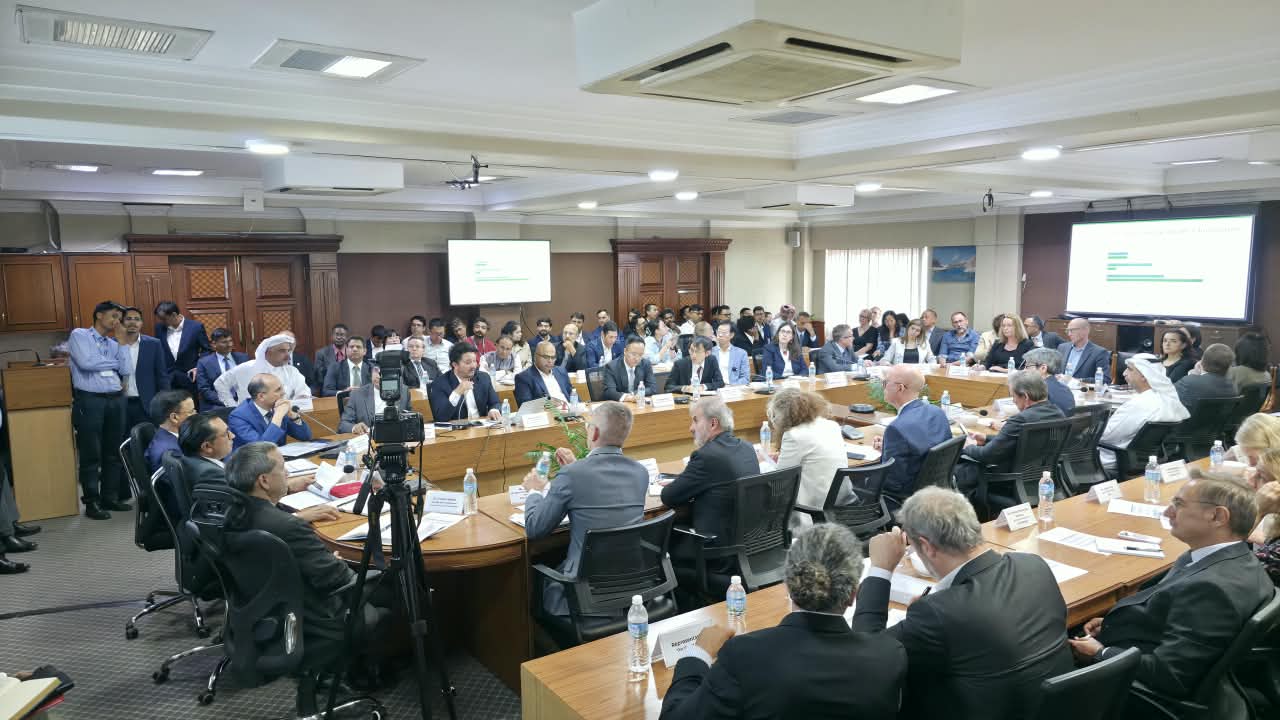
KATHMANDU — The Federation of Computer Association Nepal (CAN) has announced that it will host a high-level multi-stakeholder dialogue to comprehensively review the impacts, opportunities and challenges of the budget.
The concept framework developed under the leadership of Chiranjibi Adhikari, Acting Chairman of FNII and an IT entrepreneur, demonstrates the importance of this budget to Nepal’s technology ecosystem. However, no matter how attractive the policy announcement is, some key questions remain. Will this budget really open doors for innovative startups, software exporters, freelancers and digital entrepreneurs? Will the old administrative and structural obstacles stop its momentum? These questions remain.
The discussion will focus on the key technology catalysts of the Budget 2083/84, some ambitious plans and policy reforms by the government this year to accelerate digital transformation, sovereign AI compute center, attractive tax exemption on IT exports, refund of 10% VAT, share sale of Nepal Telecom, and Tech Hub financing, e-governance and expansion of the FinTech ecosystem.
While the budget announcements are encouraging, startup founders, experts and stakeholders have raised questions on its practical implementation.
Will freelancers and early-stage startups get this benefit easily due to the 50 per cent export income tax exemption and cumbersome administrative and bureaucratic mechanisms? Will this 500 million enterprise fund believe in uncollateralized innovation or will it be stuck in the old mortgage-oriented banking system? In addition, some of the long-standing problems faced by the Nepali tech world but which the budget has not been able to address concretely remain intact:
Government representatives, policy makers, leaders from the private sector, technology entrepreneurs, financial experts and journalists will gather in the interaction program to deliberate on the reality of budget implementation and the future of Nepal’s digital economy.














प्रतिक्रिया दिनुहोस्