Skip to content

Stakeholders suggest that the monetary policy should be timely and include many issues that the budget has not been able to cover: What did former governors, bankers and businessmen say?  

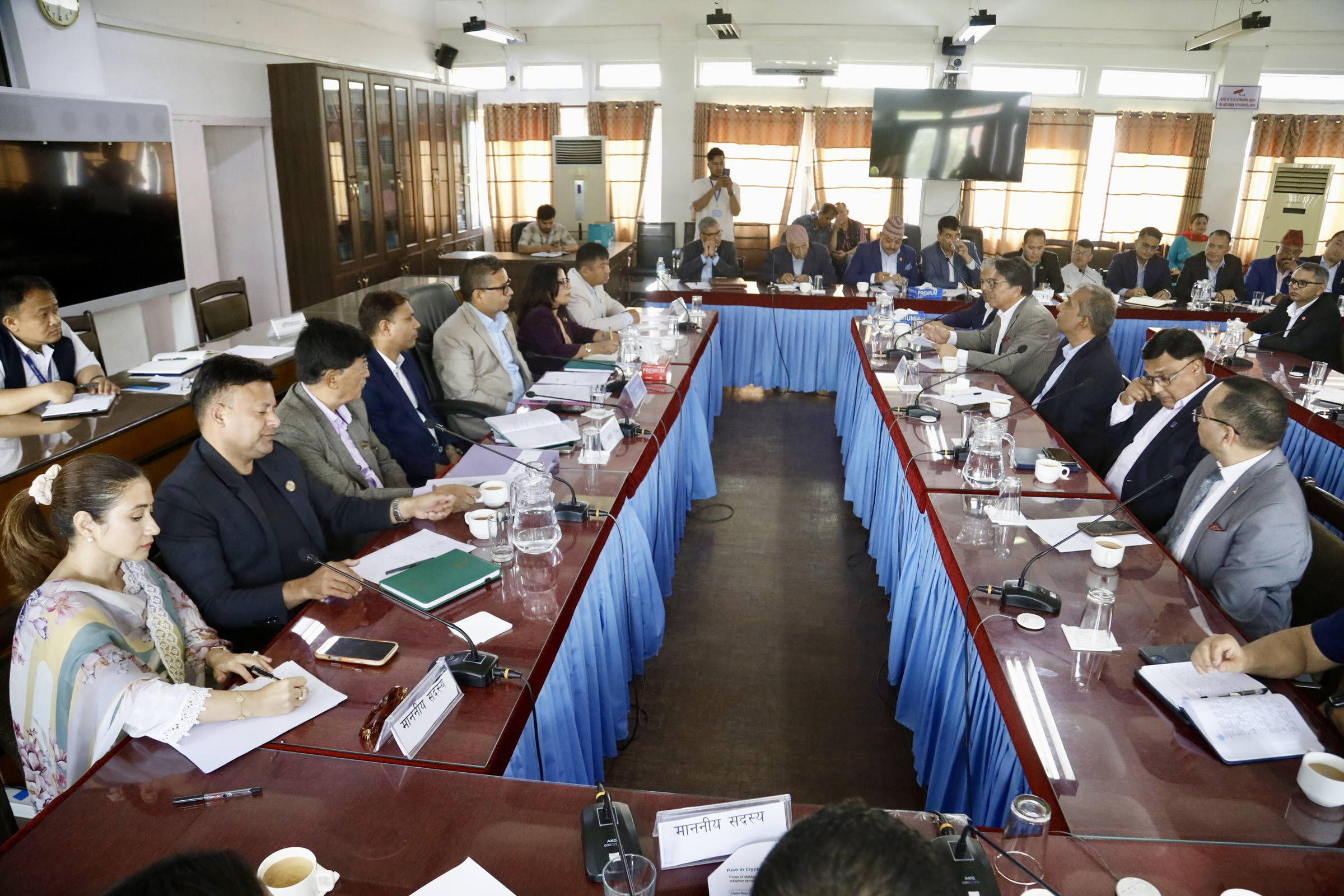
Kathmandu. The stakeholders have suggested to make the monetary policy for the coming fiscal year timely and to include many issues which have not been included in the budget.

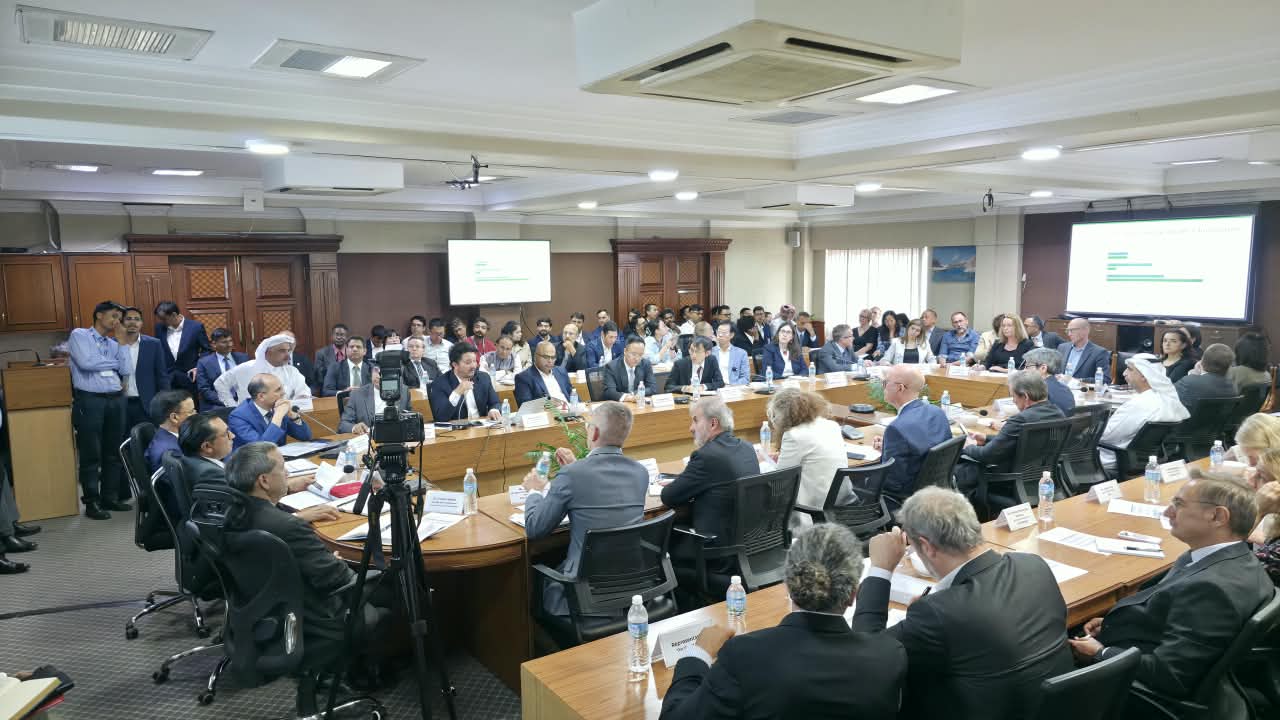
Speaking at today’s meeting of the Finance Committee of the House of Representatives, former governors, representatives of banks and financial institutions and chiefs and representatives of the umbrella organization of industrialists stressed on the need of incorporating policies to improve economy.TAG_OPEN_div_42

Former governor Dipendra Bahadur Chhetri said the monetary policy should be formulated in a way to stabilize the country’s declining economy.TAG_OPEN_div_40 Stressing on the need of coordination between fiscal policy and monetary policy, he said that the autonomy of the central bank should be maintained.

Former governor Maha Prasad Adhikari said that the monetary policy is very technical and predictable to a large extent and its course would be determined by the economic condition of the country and the situation of the external sector.TAG_OPEN_div_38

He said that in view of the current situation, there is no basis for the central bank to tighten the bank rate, policy rate or interest rate corridor.TAG_OPEN_div_36 He said that it was necessary to further tighten the interest rate and other monetary instruments as price stability and the situation of the external sector were satisfactory. He argued that the policies implemented in the past for increasing domestic production and improving the economy should not be removed in the name of ease.

Former Governor Dr Chiranjivi Nepal stressed the need to respect the autonomy and international practices of the central bank.TAG_OPEN_div_34 The monetary policy aims to control inflation and support the government’s economic growth targets, he said. He suggested setting up an ‘asset management company’ to manage the increasing bad loans in the banking sector.

Anjan Shrestha, president of Federation of Nepalese Chambers of Commerce and Industry (FNCCI), said that although the budget has addressed some issues, the remaining demands of the private sector should be addressed through the monetary policy.TAG_OPEN_div_32 He said that it would be much easier to revive the country’s economy if there were policy reforms through monetary policy.

Shrestha said that the support and cooperation of the private sector was necessary as production should be increased to create employment in the country.TAG_OPEN_div_30

Manoj Gyawali, chief executive officer of Nabil Bank, said that the monetary policy should be formulated with the understanding that the banks and financial institutions going into trouble means the country is also in trouble.TAG_OPEN_div_28 He said that there should be a classification of those who cannot pay the principal and interest of the bank due to the situation and those who do not pay knowingly. He pointed out the need for legal reforms to simplify the banking process.

Nepal Bankers’ Association (NBA) President Santosh Koirala stressed the need for formulating policies keeping in mind the economic sluggishness seen in recent days.TAG_OPEN_div_26 Chairman Koirala said that some amendments were necessary in the provision related to loan loss.

Chairman of the Confederation of Bank and Financial Institutions Nepal, Prachanda Shrestha said that the central bank should play a more guardian role as the banking sector is currently in trouble.TAG_OPEN_div_24 According to him, micro monitoring and less flexibility in classifying bad loans will send a positive message to the market.

Vice-president of Confederation of Nepalese Industries (CNI) Bhim Prasad Ghimire and economist Nar Bahadur Thapa among others pointed out the need of timely monetary policy.TAG_OPEN_div_22

Prabhu
sikhar insurance

प्रतिक्रिया दिनुहोस्

dish home
national life
http://sanimareliancelife.com/
MAK 4T
Arghakhachi
Gili