

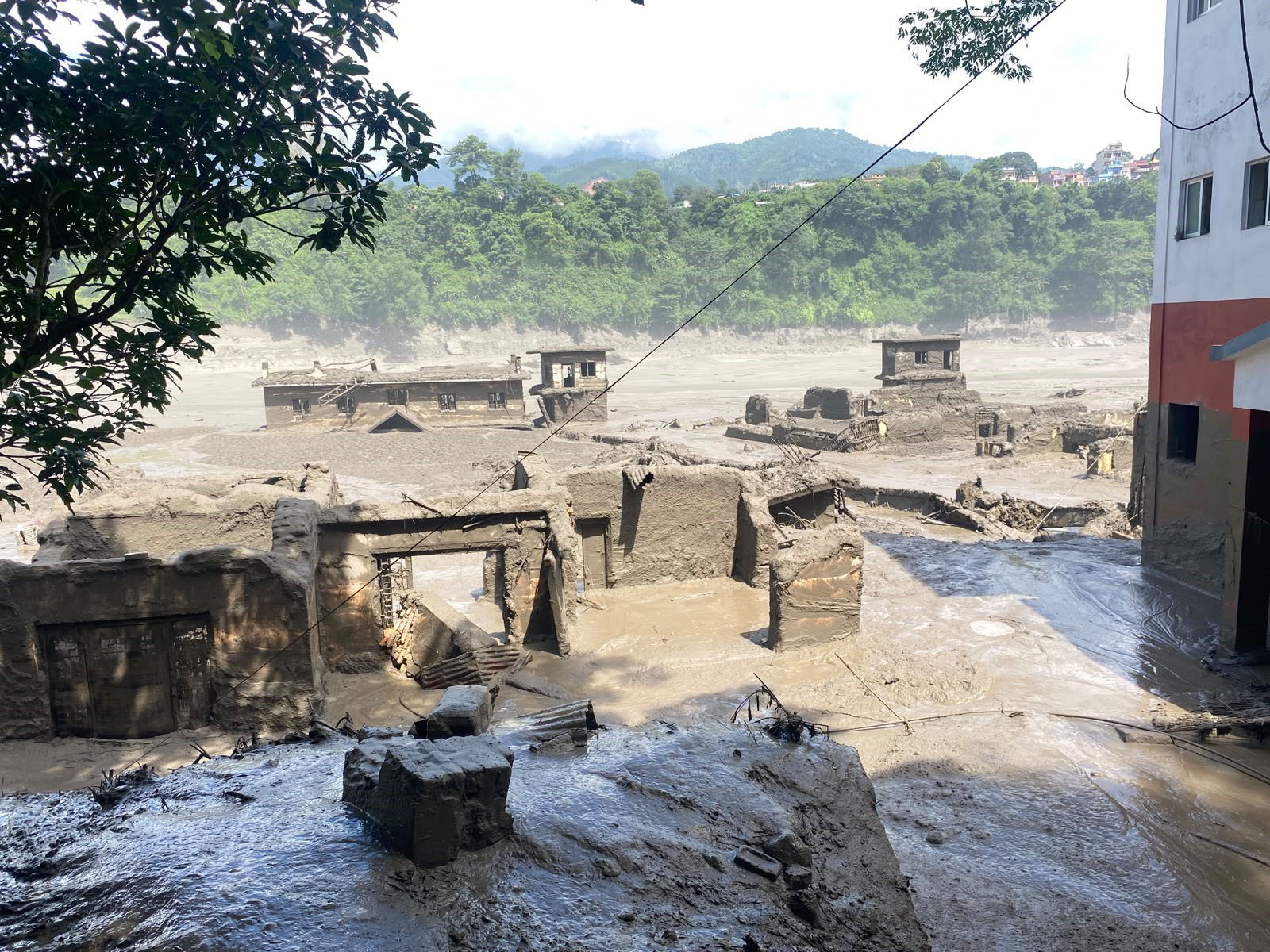
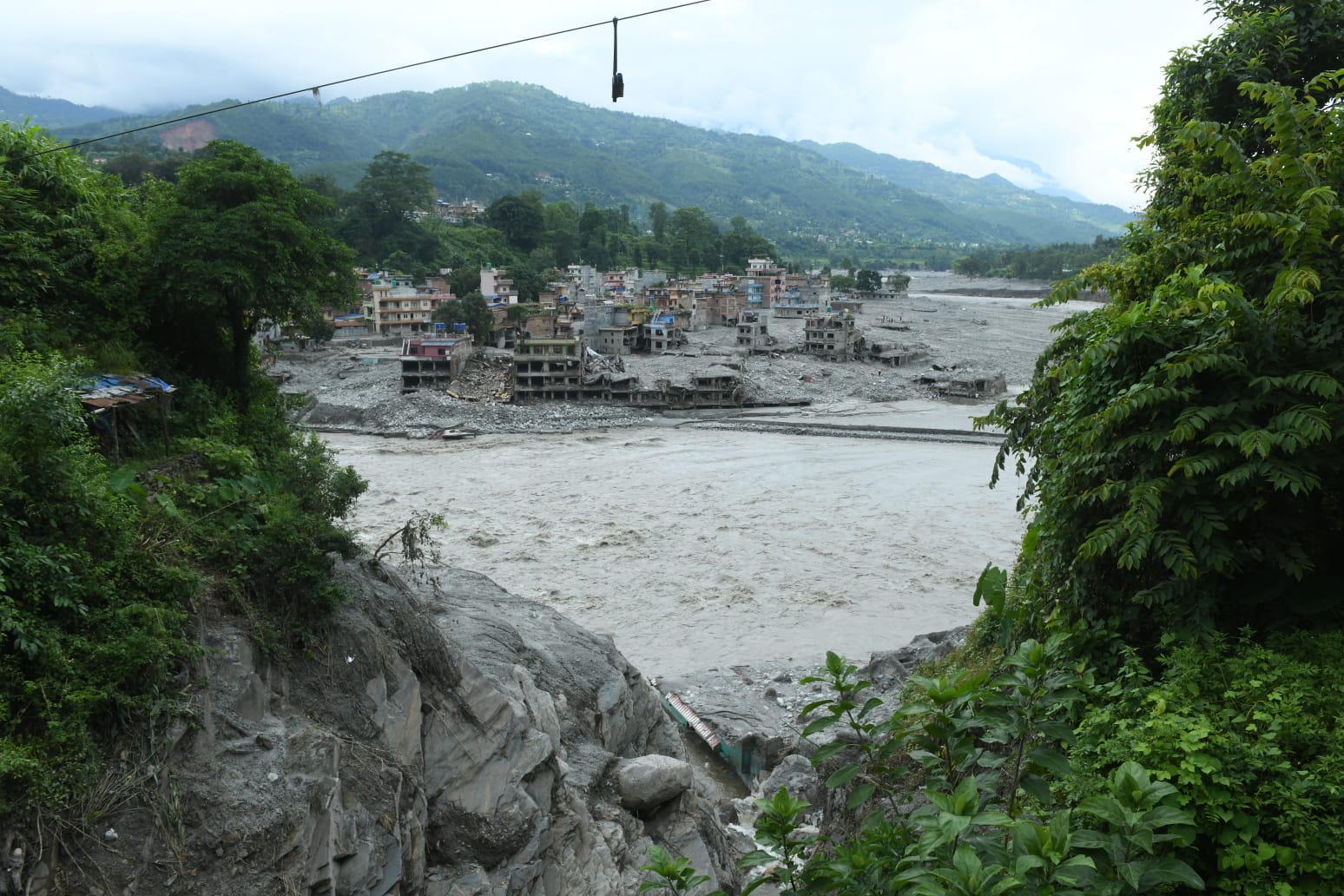
Kathmandu. The government has started a study to name the devastating flood in the Bhotekoshi River in Rasuwa.
The Ministry of Energy, Water Resources and Irrigation has formed a scientific committee to name the floods. The committee will collect scientific basis and evidence for the Bhotekoshi flood as well as finalize the name.
Various names have come up in the preliminary study conducted by the Secretariat of the Water and Energy Commission under the Ministry of Energy.
According to Tika Baral, joint secretary at the Water and Energy Commission Secretariat, Glacier Rock Avalanche, Ice Rock Avalanche/Land Slide, Rasuwa Bhotekoshi Disaster among others were mentioned in the discussion.
“This is a rare phenomenon in the world. It cannot be concluded without studying it in detail. After collecting all the scientific basis and evidence of this climate disaster, it will be named appropriately,” Baral said.
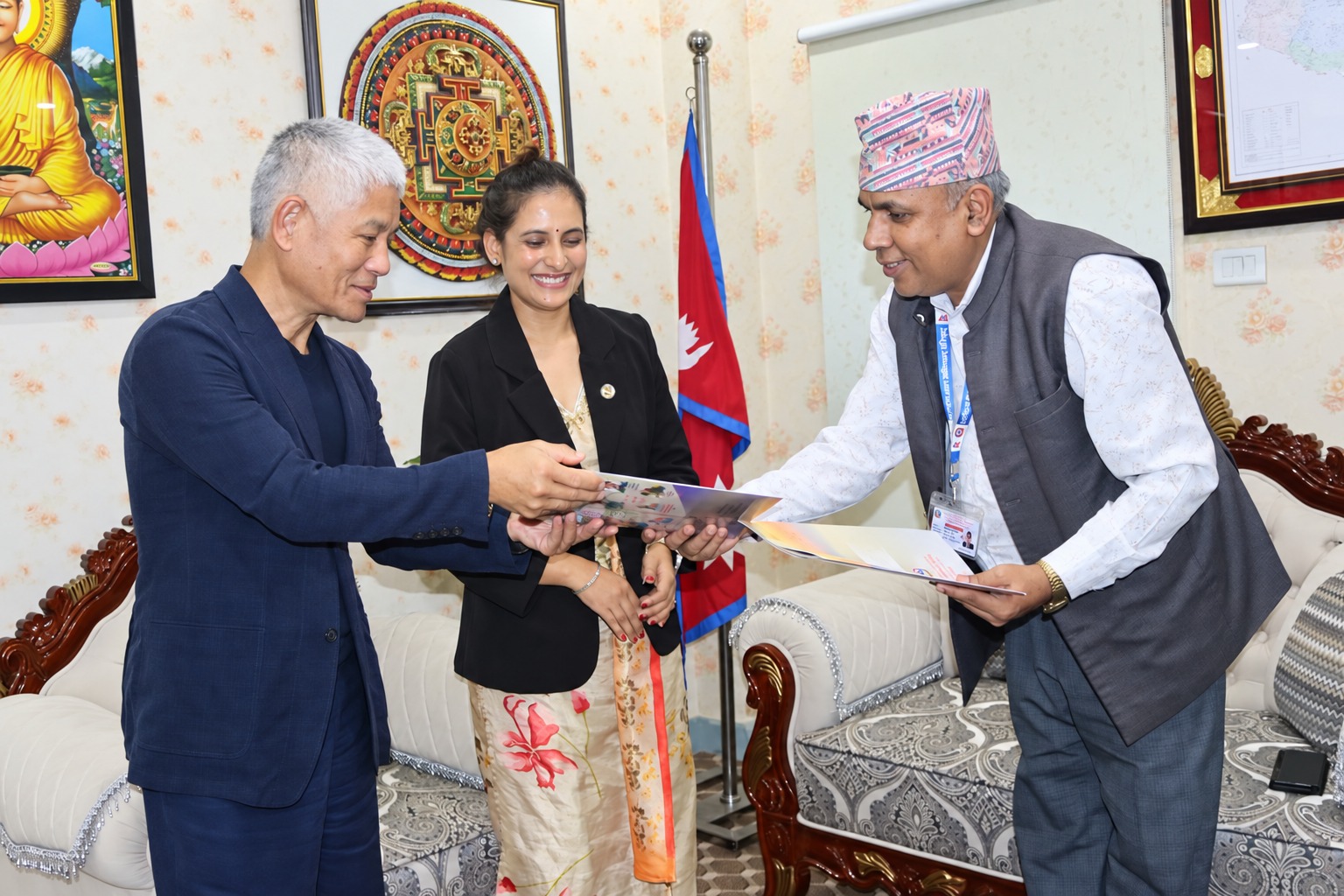
The ministry on Wednesday formed a seven-member committee under the convenorship of Devesh Belbase, an expert on water policy and good governance, to collect scientific evidence and evidence.
According to the ministry’s spokesperson Mohan Kumar Shakya, hydrologist Dr. Narendra Man Shakya, glaciologist Dr. Rijan Bhakta Kayastha, remote sensing expert Dr. Uttam Babu Shrestha, geologist Dr. Meghraj Dhital, hydropower infrastructure expert Dr. Hari Pandit, disaster risk reduction expert Anil Pokharel are members.
The committee will conduct an on-site study from the source of the flood to the entire coastal area. The ministry is going to conduct a scientific study on the origin of the catastrophic floods and the real causes, developments and possible role of climate change in the Himalayan soil hazards associated with it.
According to Spokesperson Shakya, the Ministry has reached the decision to conduct a scientific study as per the proposal of the Water and Energy Commission Secretariat that the Rasuwa catastrophic flood should not be just a normal flood or excessive rainfall but as a potential ‘series of disaster’ that has developed by linking various geographical, glacial, hydrological and other risks originating in the high mountainous region.
Earlier, the Hydrology and Water Resources Research Center under the Secretariat of the Water and Energy Commission had conducted a preliminary study. In the preliminary study, there is no scientific evidence that has been adequately verified as to where the Rasuwa incident originated, the physical process by which the disaster started and how these processes spread to the lower reaches through the Bhotekoshi-Lhende river system. Therefore, the center suggested that a scientific study of all the events is necessary before concluding that climate change is the cause of the event.
Now, a comprehensive study of the geology, temperature and water is going to be carried out. Spokesperson Shakya said that the Ministry has taken this initiative for the study as the floods in the Bhotekoshi River have affected the Trishuli Corridor.
According to him, the study will also be conducted on how to prepare for the long term by learning from the damage caused to the energy infrastructure by the Rasuwa floods and how to maintain hydropower resilience (the capacity of hydropower to withstand climate change, flood, drought or other natural disasters and to generate electricity continuously even in the face of crisis)













प्रतिक्रिया दिनुहोस्