Farmers deprived of fertilisers, fuel at market price
' यो नेपालको मात्रै दुर्भाग्य होइन । बङ्गलादेश, भुटान, भारत, माल्दिभ्स, पाकिस्तान, श्रीलङ्कालाई सोध्नुहोस् तपाईंले उस्तै जवाफ पाउनुहुनेछ '
लगानी न्यूज
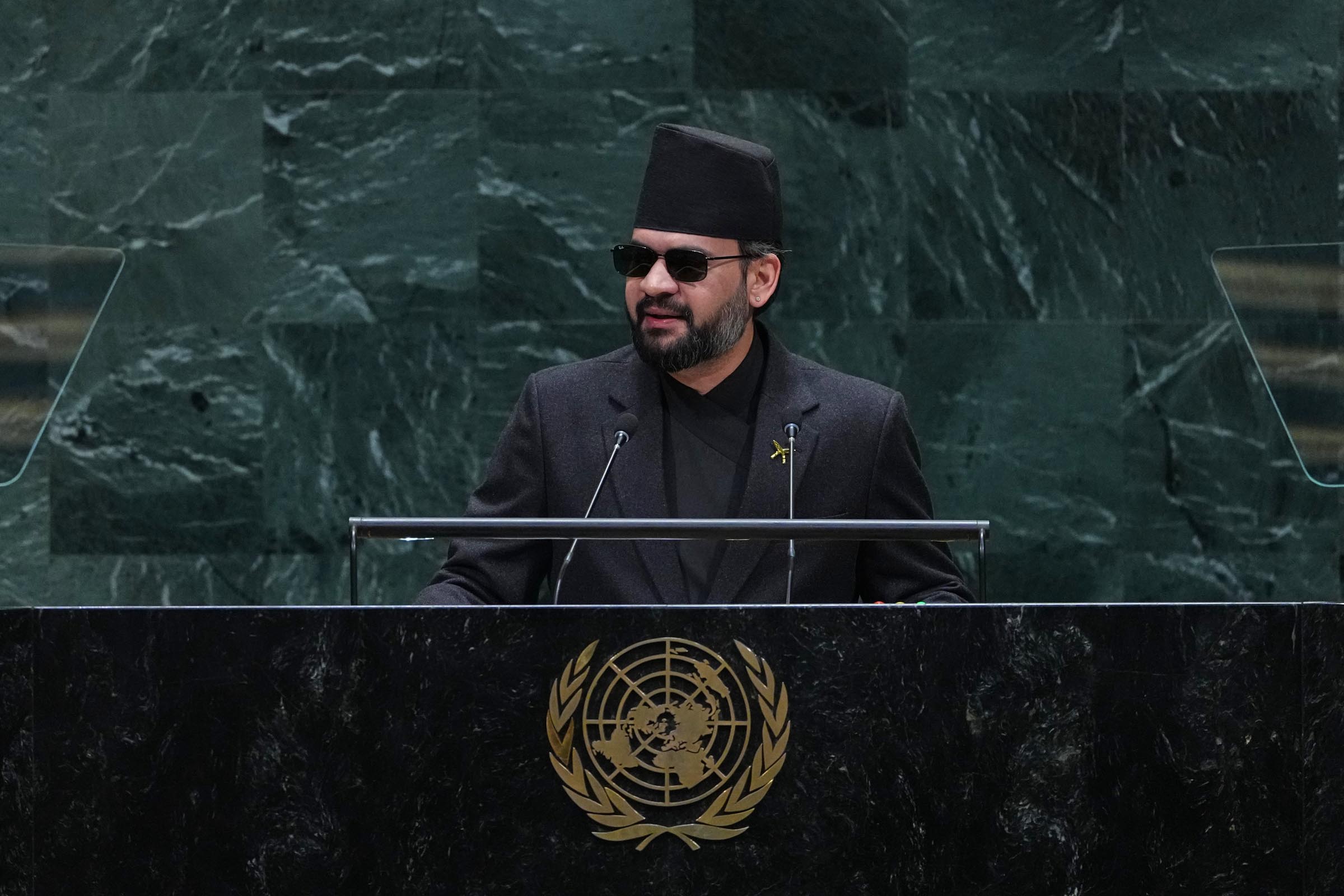
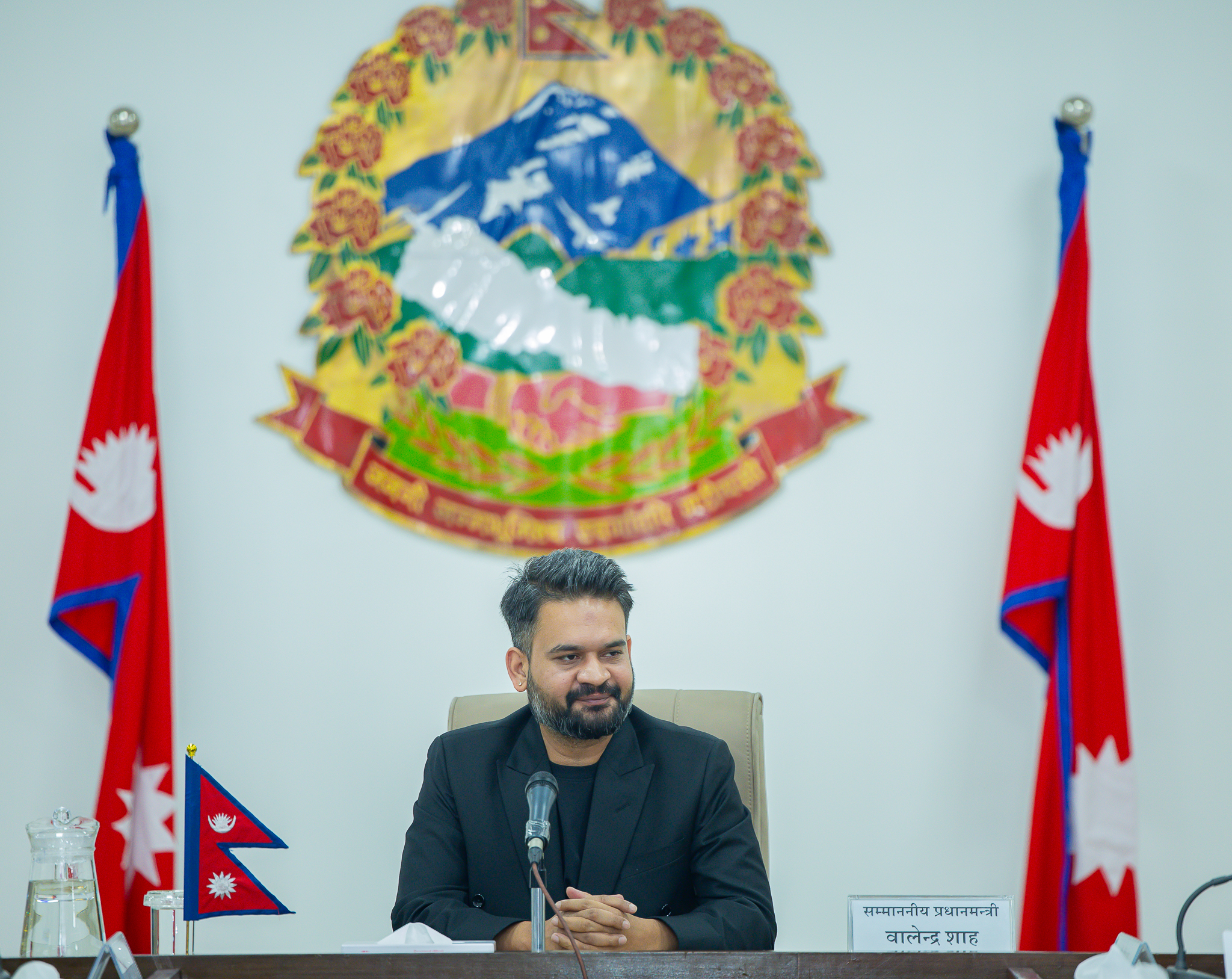
Kathmandu. Prime Minister Balendra Shah has said that the world can deliver weapons to any place in the world within 72 hours and there should be no excuse to deprive a farmer of the means of a dignified livelihood.
{{TAG_OPEN_div_42} Addressing the 81st General Assembly of the United Nations today, Prime Minister Shah said, “Intercontinental missiles reach on time. Rifles and ammunition break all obstacles and cross the border on time. But a farmer in Nepal cannot buy fertilizers or fuel at market price when he needs it. ”
} Prime Minister Shah vented his anger saying that while it is easy to supply goods necessary for the war, it is very difficult to get food. “This is not only Nepal’s misfortune. Ask Bangladesh. Ask Bhutan. Ask India. Ask the Maldives. Ask Pakistan. Ask Sri Lanka,” he said, “ask any other country in our region. You will get the same answer.” ”
The Prime Minister stressed the need for the United Nations to feel the presence of small and poor countries and work together for just outcomes. “So climate justice is not just a matter of money. It is a matter of distributive justice as to who pays the cost. It is a matter of procedural justice whose voice is heard. It is also a matter of whether the future of mountain communities, small island nations, landlocked and least developed countries and the future of the unborn generation is given equal importance.”TAG_OPEN_div_38 ”
Stating that ‘climate justice’ should not be limited to just a beautiful sentence in the UN document, Prime Minister Shah stressed that the citizens of our country should be given the opportunity to build their future instead of being repeatedly involved in rebuilding the past.TAG_OPEN_div_36
Prime Minister Shah said, “The Hindu Kush Himalayas are home to about two billion people. These mountains provide water, ecosystem, agriculture and livelihood to the population far away from Nepal. The Himalayas are not only the land near the earth, but they are also an important part of the earth’s life-support system.TAG_OPEN_div_34 ”
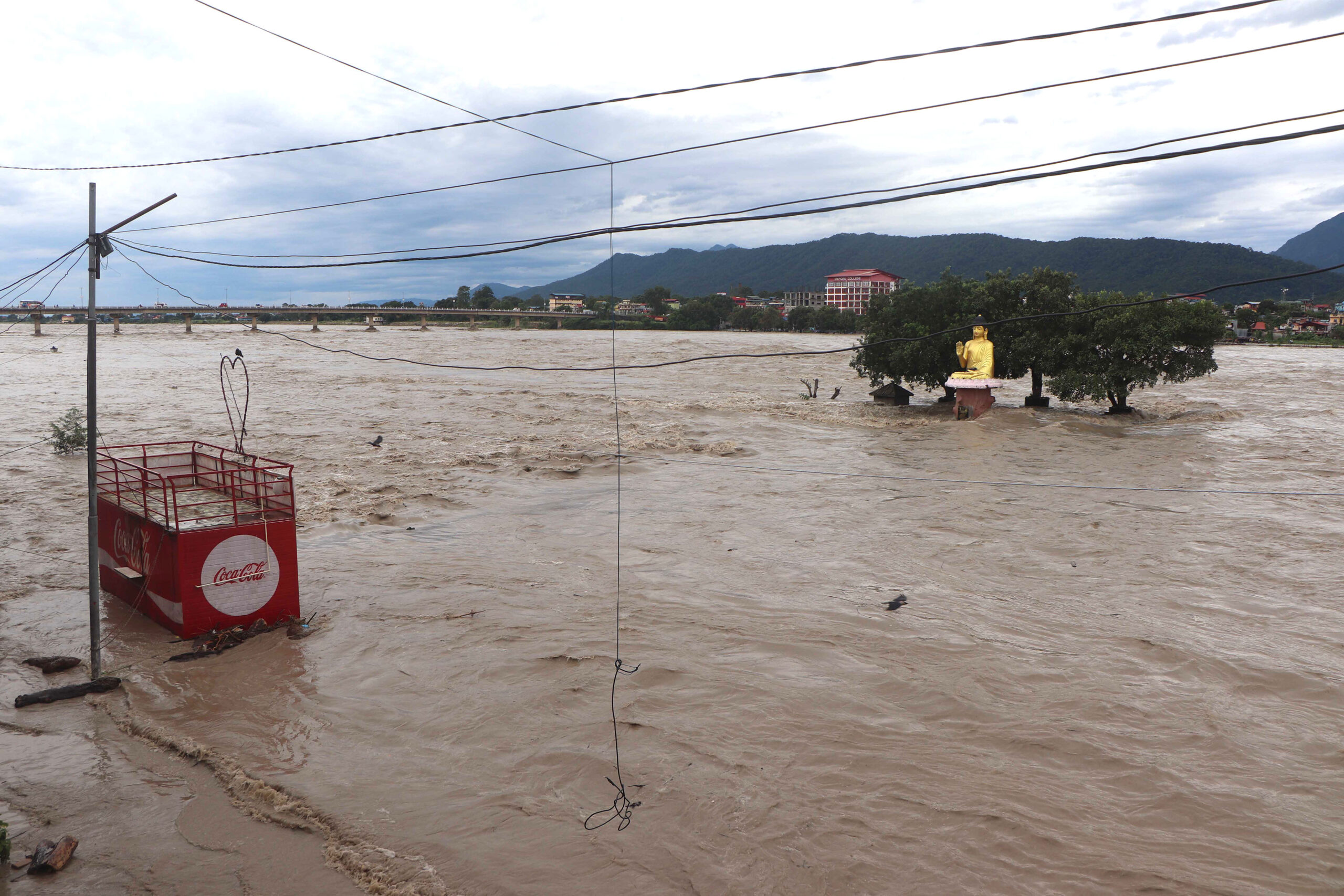
Informing about the loss of lives and property due to the flood in Bhotekoshi of Rasuwa district on August 23, the Prime Minister said many families were still waiting for their loved ones to return home and many communities were searching for their loved ones in mud, mud and mud.TAG_OPEN_div_32
“Whose bodies may never be found again,” he said, “They were swept away in a matter of minutes, through bridges, roads, schools, houses and livelihoods. For a country that was making steady progress towards achieving the Sustainable Development Goals, it has been disrupted. ”
Stating that the warming climate has destabilized the ecosystem of the Himalayas, the Prime Minister said the sloppy slopes of the Himalayas have cracked due to the melting of the frozen soil and the series of risks such as landslides and floods with glacial rocks are increasing.TAG_OPEN_div_28
As a result, this destruction has caused great damage to the land on both sides of the Nepal-China border and the floods are continuously flowing towards India, he said. “This tells us one basic thing. Climate change does not recognize the border. Glaciers and floods do not travel with ‘visas’ on their passports,” he said.TAG_OPEN_div_26
Stating that Nepal is now facing a huge task of rehabilitation and reconstruction, he said that at least 1,400 people have been confirmed dead in the floods and more than 6,000 people are still missing. “According to our rapid damage assessment, 10 percent of Nepal’s GDP is now needed for physical rehabilitation,” he said.TAG_OPEN_div_24
} Prime Minister Shah said that like in 2015, he expects cooperation from all along with solidarity in the reconstruction work after the ‘Gorkha Earthquake’ that took place in Nepal in 2015. “But we need to understand why this disaster is meaningful for people outside Nepal. Nepal’s contribution to global greenhouse gas emissions is less than 0.1 percent,” he said, adding, “We did not create this crisis. But we are paying a heavy price for it. Our glaciers are shrinking. The steep terrain of our mountains is becoming unstable. Our rivers have reached a state of unpredictability. ”

















प्रतिक्रिया दिनुहोस्