



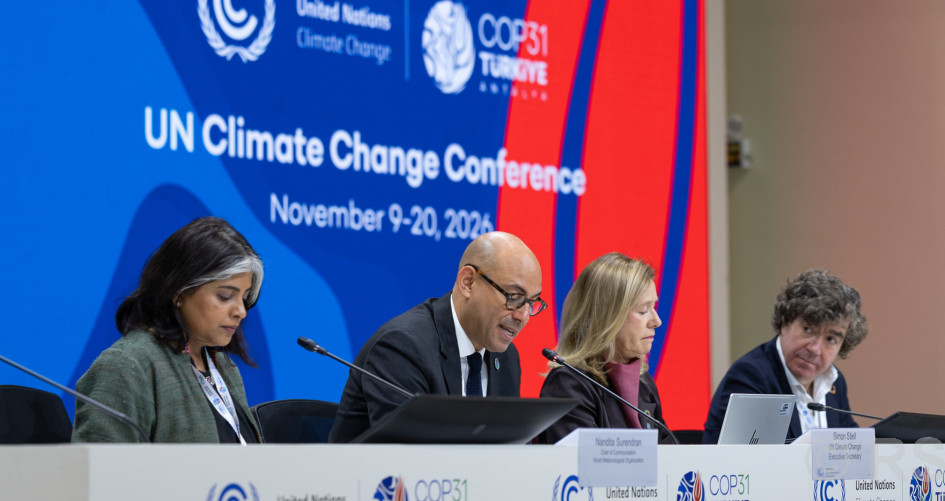
Antalya (Turkey). Climate and health experts say that the global health crisis is deepening due to extreme heat, air pollution and climate-related disasters due to climate change.
At a press conference on the 2026 climate situation report released by the World Meteorological Organization (WMO) on the sidelines of the 31st Conference of the Parties to the United Nations (COP31) on climate change in Antalya, Turkey, they said that the climate crisis has reached epidemic level. They said that climate change is also seriously affecting the health system and infrastructure.
Simon Steele, the UN acting secretary for climate change, said millions of people in South Asia were at risk of extreme heat, and this summer’s heat wave in the northern hemisphere has killed an estimated 50,000 people in Europe alone.
“Climate change is becoming fatal for many people. The powerful El Niño is intensifying the effects of climate change. The climate crisis is now a global health crisis that has reached epidemic levels,” he said.
He said that the impact of climate change on pregnant women, newborns and maternal health is developing as another serious health challenge. He said that the main reason for this is the use of large quantities of coal, oil and gas and deforestation.
Expressing gratitude to the organisations including Wellcome, the World Health Organization (WHO) and others for their contribution in putting the climate change and health issues in global priority, he said the new data of a survey carried out among one thousand health workers in the maternity health sector has exposed the risks to this sector.
He said that this year’s COP conference is focused on advancing practical solutions and bringing about a direct positive change in people’s lives. He said that the conference will re-prioritize the issue of health under the guidance of Turkey and Australia and take forward the achievements of COP 30 held in Belém, Brazil.
The Climate and Health Financing Coalition has already provided more than $200 million to the fund, he said.
Electrification and expansion of clean energy are important measures, he said, noting that measures are available to address the global health crisis.
“In this coop, countries have a choice: electric energy or an energy crisis. They will have to decide whether to restructure the global economy for the electric age or whether families, businesses, governments and health systems will continue to pay the ever-increasing prices of fossil fuels,” he said.
Effective electronic technology and clean energy will play an important role in reducing global warming, pollution, and rising household costs, he said.
Celeste Saulo, secretary-general of the World Meteorological Organization, said the scientific evidence for climate change was clear and the world was facing new warming records.
He said that the 2026 climate status report has brought scientific facts and evidence to the center of the discussion of COP-31 and said that the last 12 years have been the warmest year ever recorded. He said that the last four years, including 2026, have been the warmest four years on record.
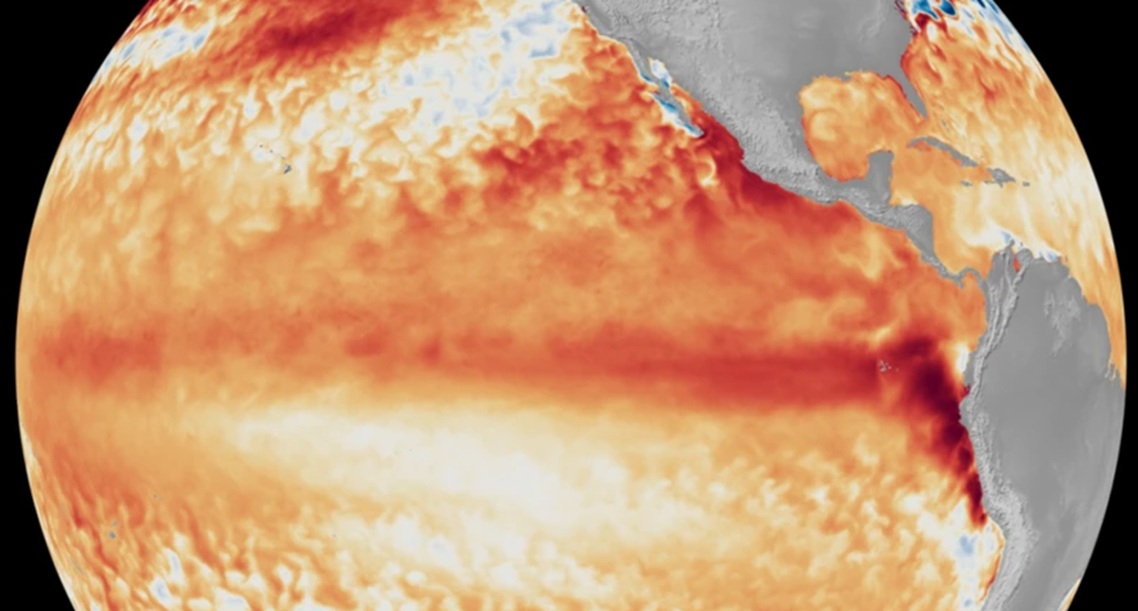
He said that the average temperature of the world from January to September 2026 was about 1.47 degrees Celsius above the average before the start of the industrial era. He said that due to the powerful El Niño, the overall temperature of 2026 could increase further.
2024 is the warmest year on record, with 2024 likely to hit new records in 2027 as the effects of El Niño will be more pronounced in the year after the year of its development, he said.
Noting that the 2026-2027 El Niño is the most unusual event we’ve observed so far, he said surface temperatures in tropical Pacific Ocean from November 2026 to January 2027 could be nearly four times above normal.
He said that the world’s ocean temperatures have reached the highest level for the 10th consecutive year, sea level temperature broke monthly records in 2026 and sea level reached an all-time high. He said that about 900 million people living in coastal and low-lying areas are at risk due to rising sea levels.
“Heat waves, tropical cyclones and rain-induced disasters are becoming more intense,” he said, adding that millions of people were at risk of extreme heat waves in 2026, with tens of thousands of additional deaths due to extreme heat in Europe alone.
India, Pakistan, and large swaths of Asia and North America are already experiencing dangerous heat, and the southern hemisphere could see even more risk as summer sets in, he said.
He said that the disasters in China and Nepal have shown that the low-lying and riverine communities are also at serious risk from natural disasters in the high mountainous regions. He said that as COP 31 is starting, there are devastating floods in some parts of South America and Africa, and droughts are in many countries of Asia, the Pacific and Central America.
However, he said that climate risk reduction efforts are starting to yield positive results. He said that the number of countries that submitted multi-disaster early warning reports increased from 56 in 2015 to 136 in 2025.
Stating that the progress made towards achieving the goal of Early Warning for All would be reviewed at COP-31, he said such system was a shared responsibility of not only the United Nations but of the entire human race.
He said that the quality of weather observations, statistics and scientific information should be strengthened to make the early warning system effective. He urged to increase investment in continuous weather observation and data collection in all parts of the world.
“We cannot move forward blindfolded,” he said. He said that since the climate crisis is an existential challenge, necessary decisions should be taken immediately from COP31 and adequate financial resources should be allocated for their implementation.
Alan Dangor, Wellcome’s director of climate and health, said the World Meteorological Organization report highlighted the high concentration of greenhouse gases in the atmosphere, new records in land and ocean temperatures, melting sea ice and the severity of sea level rise.
Stating that no region of the world is untouched by the effects of climate change, he said that human health and human life should be given due priority in the climate negotiations. Quoting the annual report of ‘The Lancet Countdown’, he said that it is estimated that more than 3 million people die every year due to air pollution and extreme heat due to the use of fossil fuels and man-made climate change. He said that this has adversely affected the health and prosperity of millions of more people.
Noting that in 2025, about 52 percent of the world’s land area will be affected by extreme drought for at least one month, he said, adding that it has directly affected farmers and workers working in the outdoor sector. He said that the changing trend of dry and wet conditions in underground aquifers has also led to serious health problems in food security and sanitation.
However, there are ways to address the climate and health crisis, he said. Clean air saves more than 300,000 lives every year in at least 77 countries where air pollution from fossil fuels has decreased, he said.
“Electrification and clean energy can save lives and reduce medical costs, heat early warning systems will help prevent deaths from weather disasters, and investment now on climate adaptation measures can prevent huge economic and human losses,” he said.
“We have established the Climate and Health Financiers Coalition with more than 35 charities at COP30 in Belém, Brazil,” he said, adding that the coalition has received a joint commitment of USD 300 million in the initial phase.
The coalition has already provided more than $225 million in its first year to work on extreme heat, air pollution, climate-sensitive infectious diseases and data systems, he said. In addition, an additional $150 million has been committed from new and existing donors, he said.
He also stressed on increasing collaboration and investment among the government, private sector and philanthropic organizations giving priority to the communities most affected by and vulnerable to climate change.
“Children, pregnant women, outdoor workers, and senior citizens are particularly vulnerable to climate change, hence effective policies, plans and data systems are needed to protect their health,” she said.
“The state of the climate has actually become the biggest indicator of the state of human health. The climate negotiations should be pursued as seriously as if human life depends on it, because in fact, human life depends on it,” he said.
Bhishmaraj Ojha/RSS
















प्रतिक्रिया दिनुहोस्