COP31 Unconcluded, Path Open to Institutional Recognition of Mountain Issue
लगानी न्यूज
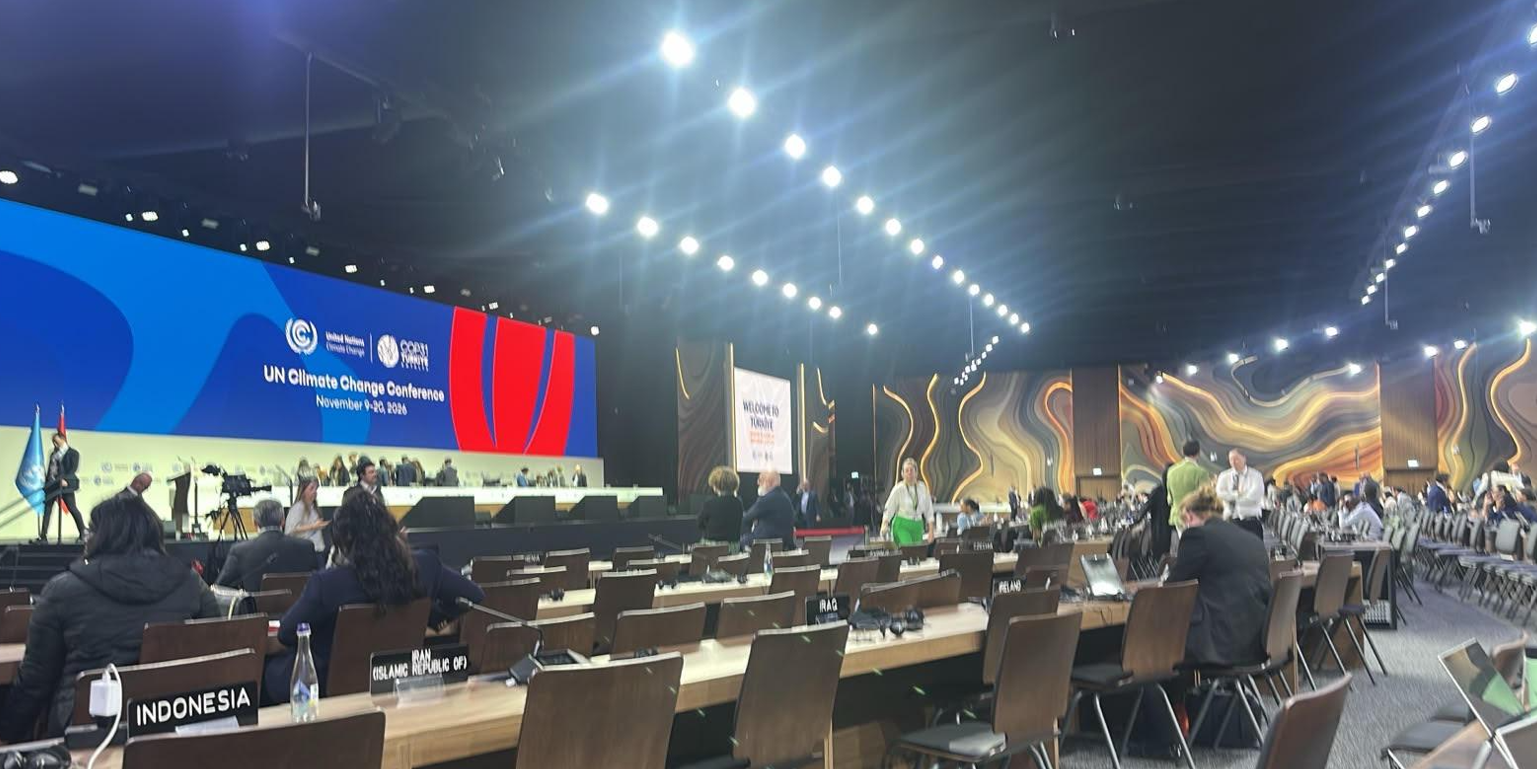
Kathmandu. The conference ended without conclusion due to the failure to reach the expected consensus in the United Nations Conference on Climate Change (COP-31) negotiations. The conference, which began on November 9 in Antalya, Turkey, concluded two days later than scheduled on the night of November 22.
Although Nepal’s initiative to establish the mountain issue as a separate agenda for international climate talks has opened the way for it to gain institutional recognition in the coming days.
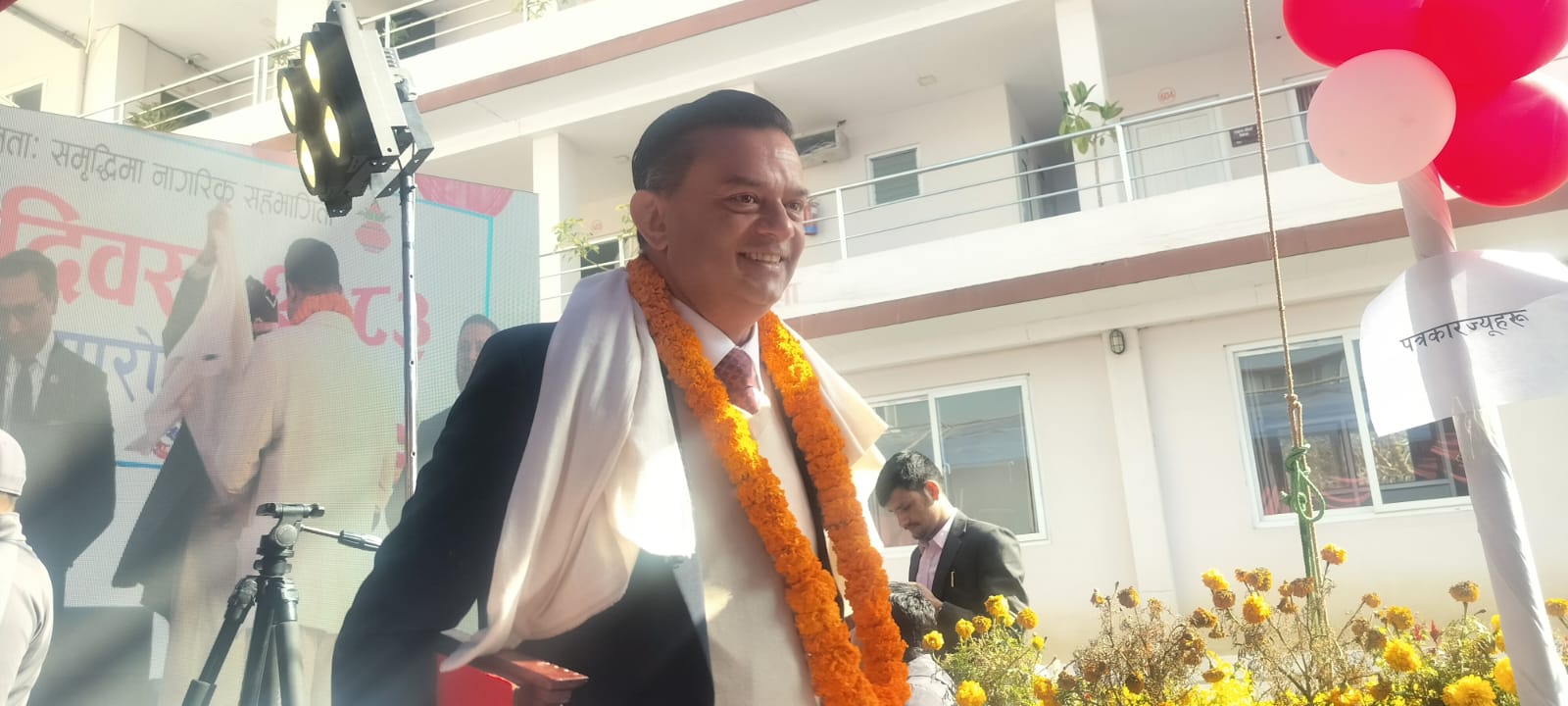
Due to the lack of consensus on an overall decision in the final phase of the conference, the proposal related to Nepal’s mountain issues could not be passed. However, Dr. Maheshwar Dhakal, Deputy Secretary of the Ministry of Agriculture, Forest and Environment and Head of the Climate Change Management Division, said that among proposals submitted from various countries, Nepal’s proposal was a significant achievement as it was entered into the discussion as a priority.
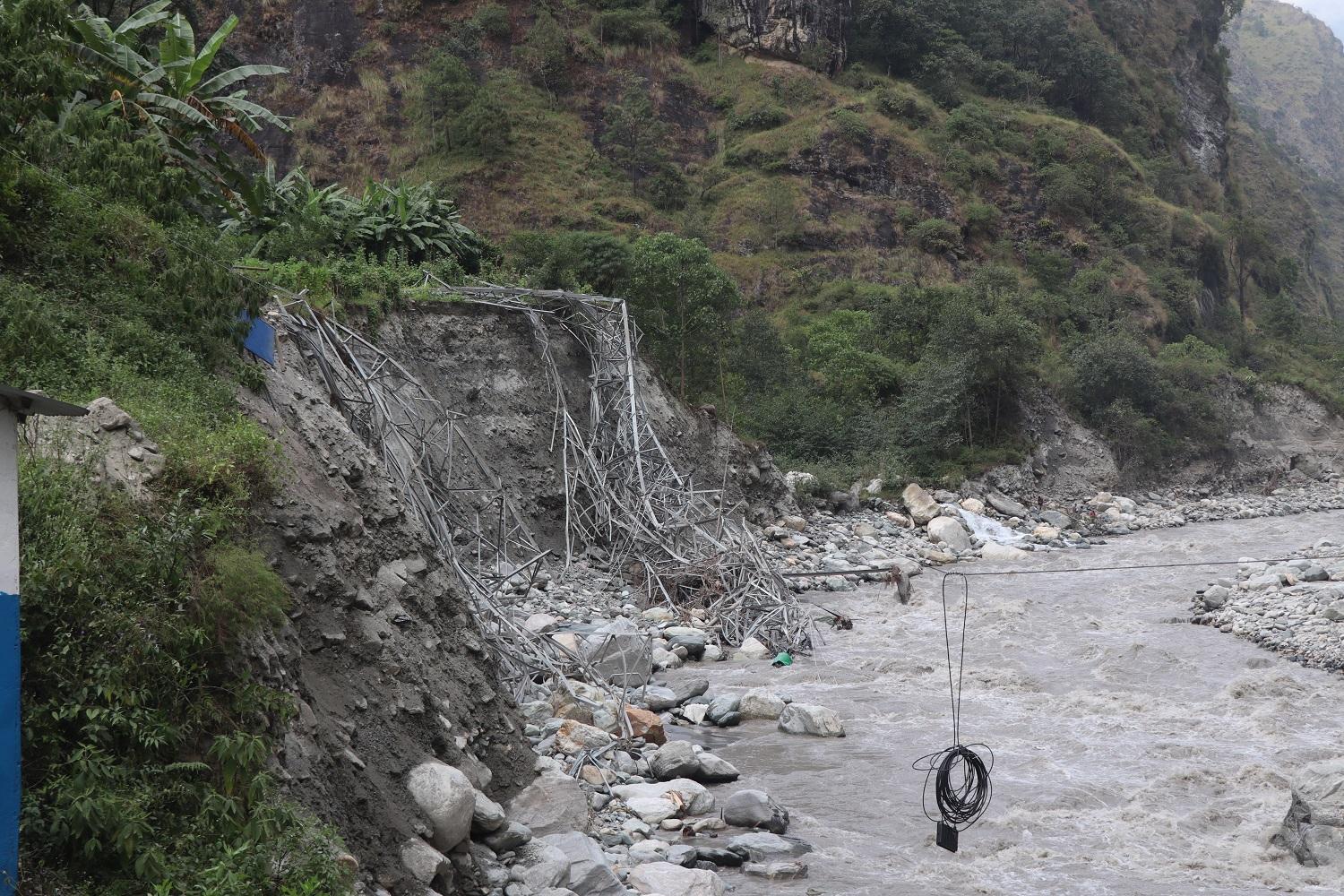
Speaking about the overall evaluation of COP31, he informed that Nepal has, for the first time, submitted a written proposal from the government to advance the mountain issue as a separate agenda, presenting the pain of the Bhote Koshi disaster to the international community.
“This is the first time in Nepal’s history that the government has submitted a written proposal to establish the mountain issue as a separate agenda,” he said, “Out of about seven proposals from various countries, none were accepted exactly. However, we succeeded in bringing Nepal’s proposal to the discussion with high priority. ”
Nepal initially put forward the topic of ‘The Impact of 1.5 degrees Celsius Temperature Rise in Mountain Regions’ as a separate agenda. With the support of the Secretariat of the United Nations Convention on Climate Change (UNFCCC), the subject matter of the proposal has been clarified and relevant, titled ‘Issues of 1.5 degrees Celsius Temperature Rise in Mountain Ecosystems,’ he said.
At the conference, Kyrgyzstan proposed organizing a dialogue on mountainous issues. After Nepal’s proposal included Kyrgyzstan’s concerns and requested joint progress, Nepal, Bhutan, and Kyrgyzstan advanced discussions based on Nepal’s proposal.
According to Assistant Secretary Dr. Dhakal, Nepal proposed advancing four topics under the mountain issue: investigation, early warning system, two dialogues, and high-level political dialogue. There was an initial agreement to organize two dialogues, and research and early warning system issues were also included in the discussions.TAG_OPEN_div_75
Some parts of the proposal presented by Nepal were accepted in the initial phase. He stated that efforts were made to prioritize the mountain program and to integrate common themes in proposals from various countries with existing agendas.TAG_OPEN_div_73
“In the final stage, we tried to reach consensus among all nations. However, after failing to reach consensus on the overall decision of the conference, our decision could not be passed either,” he said.
According to him, the final decision reflected disagreements regarding limiting the 1.5 degrees Celsius temperature rise and related to the production, sale, distribution, and use of fossil fuels. In particular, the European Union disagreed that the draft decision did not include the gradual exit from fossil fuels and limiting temperature rise.
Afterwards, the overall decision-making process of the conference was affected, and the decision on Nepal’s mountain issue could not be passed at the last minute, he clarified. “The reason Nepal’s proposal was rejected was not because of our agenda. All decisions were affected because the conference failed to reach consensus on other complex issues,” he said.
At COP31, Nepal established a national pavilion for the second time. More than 47 programs were held at the pavilion, and more than 250 speakers shared their views. He cited the pavilion, with participation from various sectors including indigenous peoples, the private sector, and civil society, as a successful aspect of Nepal. “Among the pavilions of the group of least developed nations, Nepal’s pavilion was one of the most active and widely observed by many participants. Its quality has also been praised,” he said.
Although there is good leadership and representation from political and institutional levels for the talks this time, he pointed out the need to further enhance the negotiators’ thematic knowledge, language skills, preparation, and interpersonal skills.
Rather than presenting the view that only Nepal is affected by climate change, negotiators should have the capacity to understand the problems faced by other countries and identify issues of common interest. He said that when raising problems in mountainous regions, they must also address the challenges of the maritime sector, maintain a balance between developed and developing countries, and develop the capacity to engage in effective dialogue at regional and international levels.
He said, “The hard work we have done this time has given us confidence that the path to establishing the mountain agenda has not been closed. If we can move forward with good preparation, it can be established in international climate talks in the coming days. ”
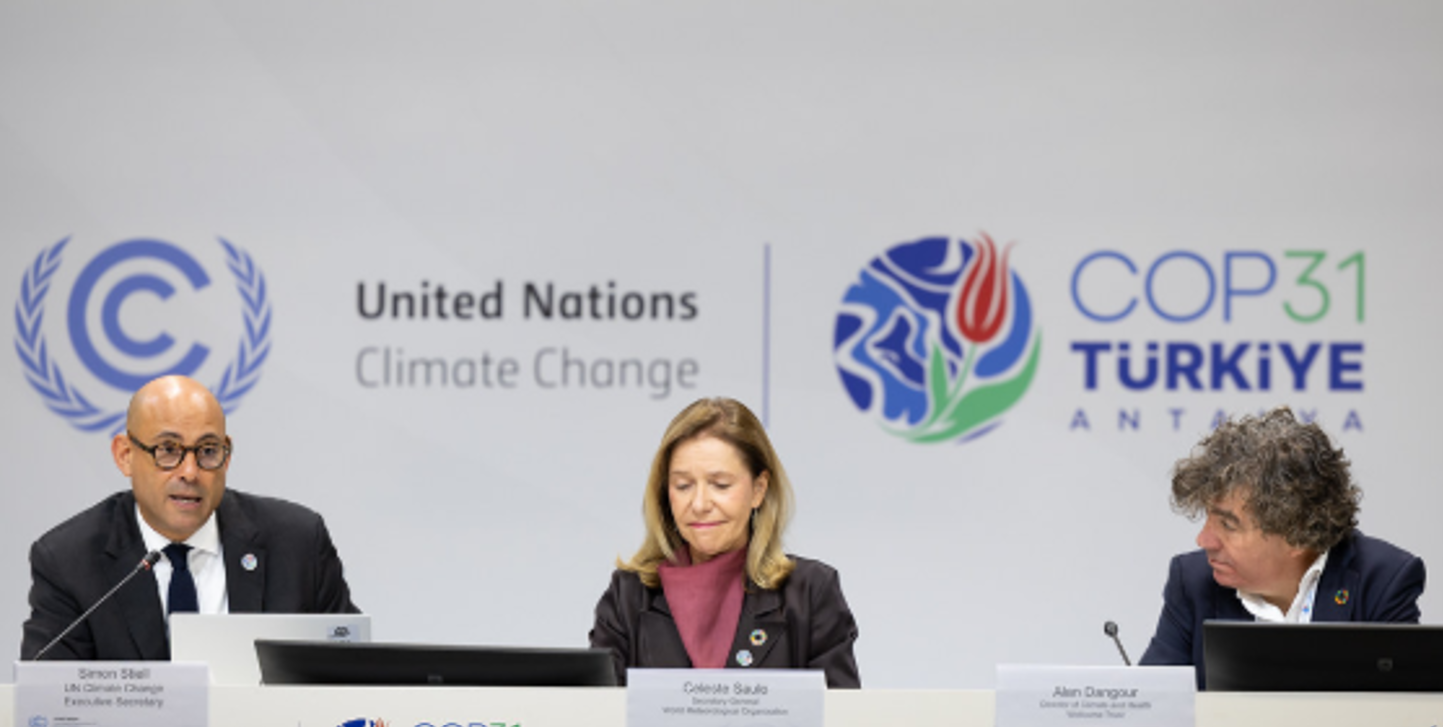
{{TAG_OPEN_div_57}Meanwhile, Simon Steele, the United Nations Executive Secretary for Climate Change, said it was disappointing that the presidency could not reach consensus on the decision presented at COP31.
Addressing the closing ceremony of COP31, he emphasized the need to continue international climate cooperation as the impacts of climate change are increasing worldwide, according to the UNFCCC Secretariat.
He noted that the impact of climate change on various parts of the world is becoming severe, the cost of fossil fuels is driving inflation in the economy, and the global temperature rise is approaching the risk of rising above 1.5 degrees Celsius.
“The world cannot afford a recurrence of such a situation. Our procedures, regulations, and established precedents are designed to bring all countries together,” he said. He stated that since the COPE process is shared by 194 member states, it is necessary to transparently listen to all parties’ views and move forward based on past achievements for consensus.
Highlighting the need to reform, modernize, and restructure the climate negotiation process, he said the world has now moved from a phase of commitment to an era of implementation. He said the international climate negotiation process must also evolve according to changing circumstances.
Although the expected consensus could not be reached in the formal talks under COP31, he noted that significant progress has been made under the Action Agenda. Executive Secretary Steele recalled that although the climate negotiation process has faced various obstacles and failures in the past, it has moved forward strongly again and said it should be the same this time.
Referring to the upcoming COP32 as an important opportunity, he emphasized that the second Global Stocktak–2 should build on the achievements of the first review.














प्रतिक्रिया दिनुहोस्