

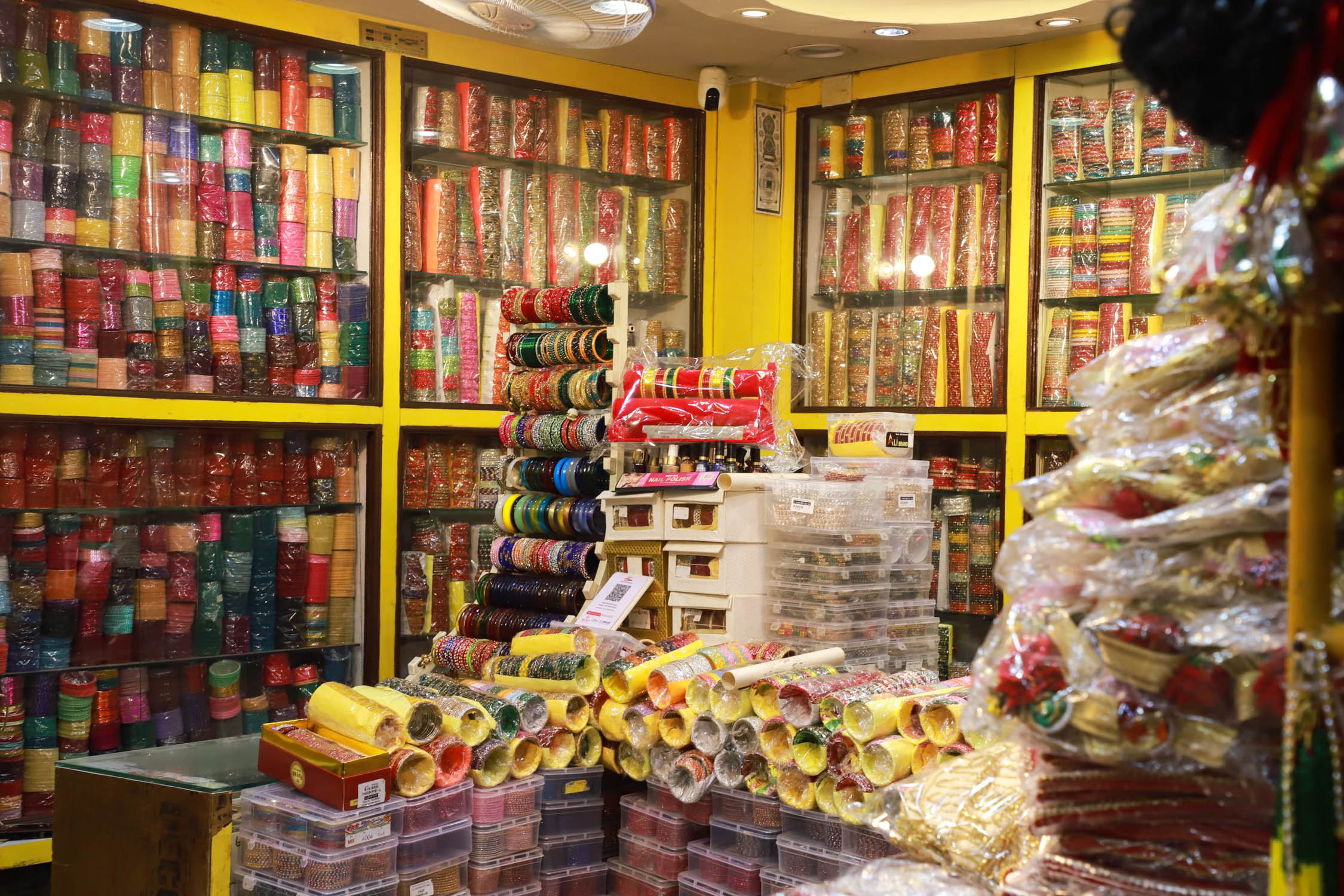
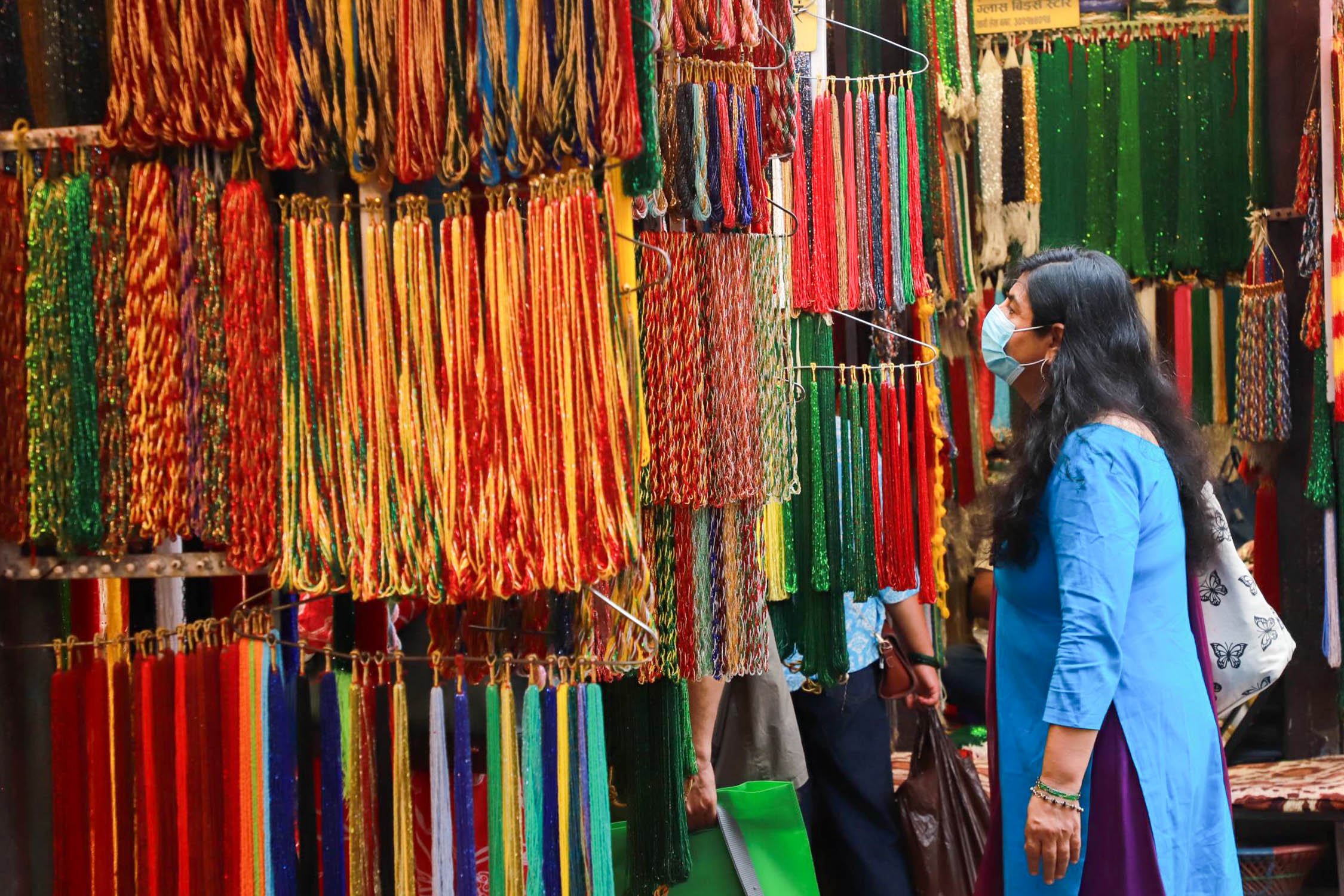
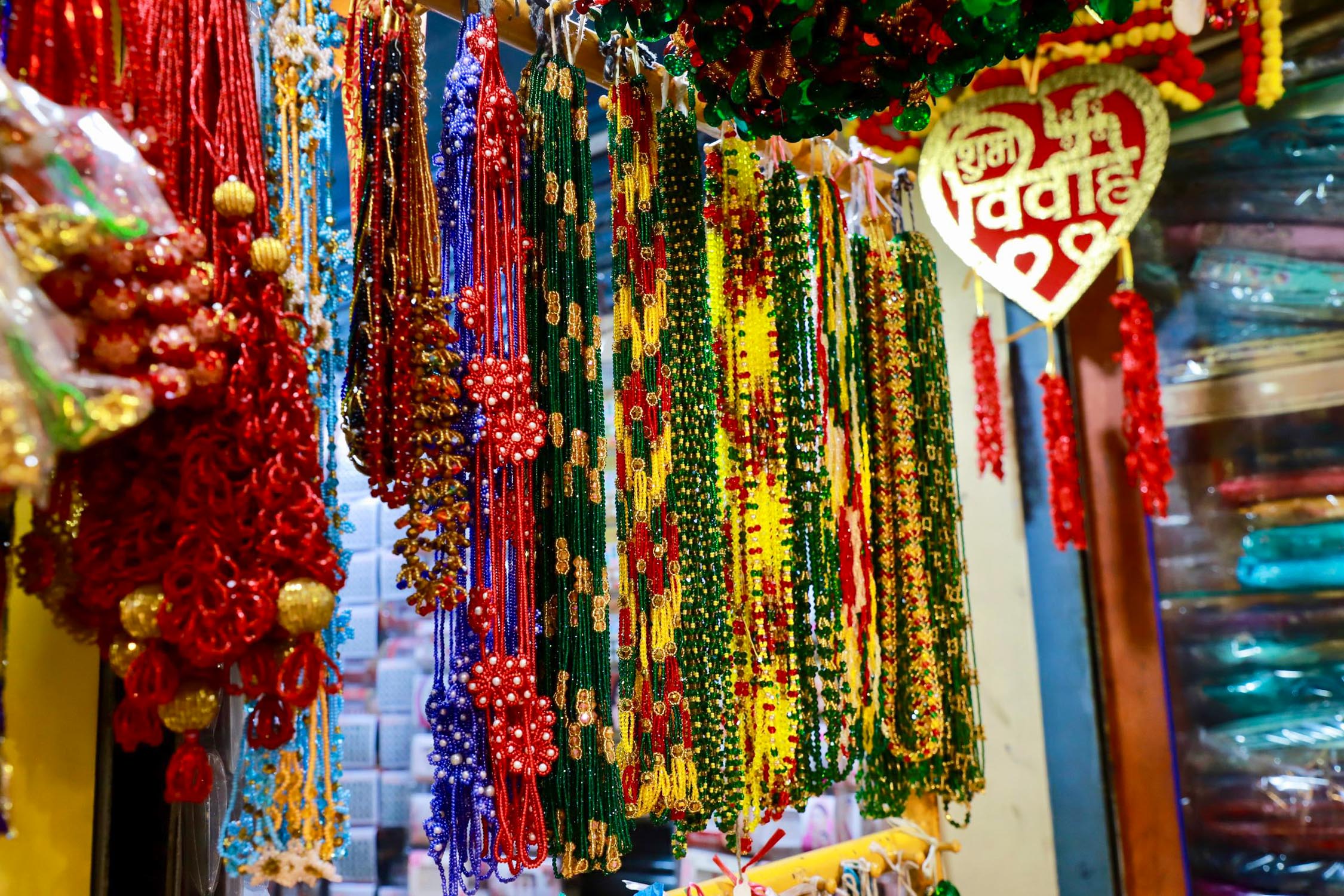
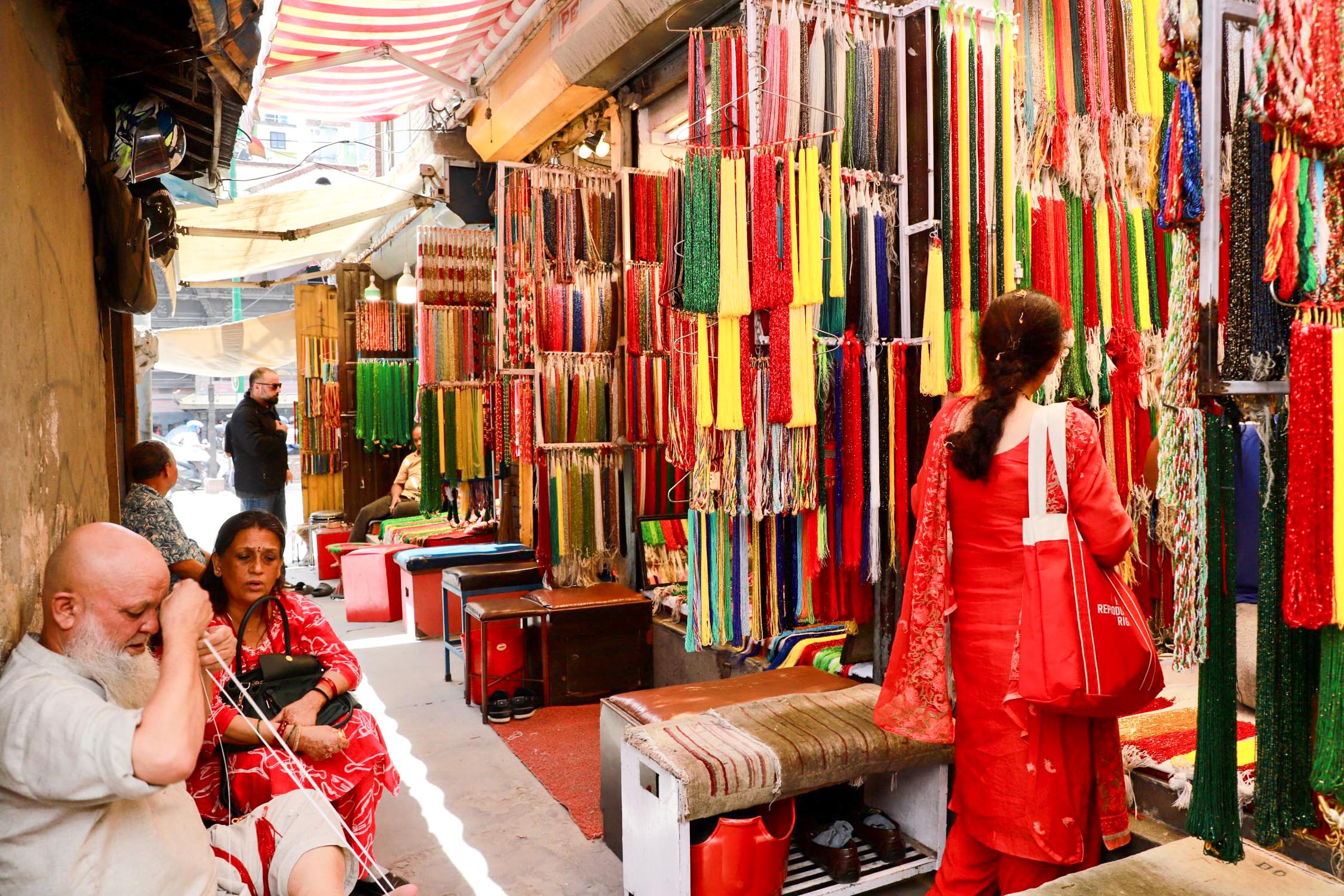
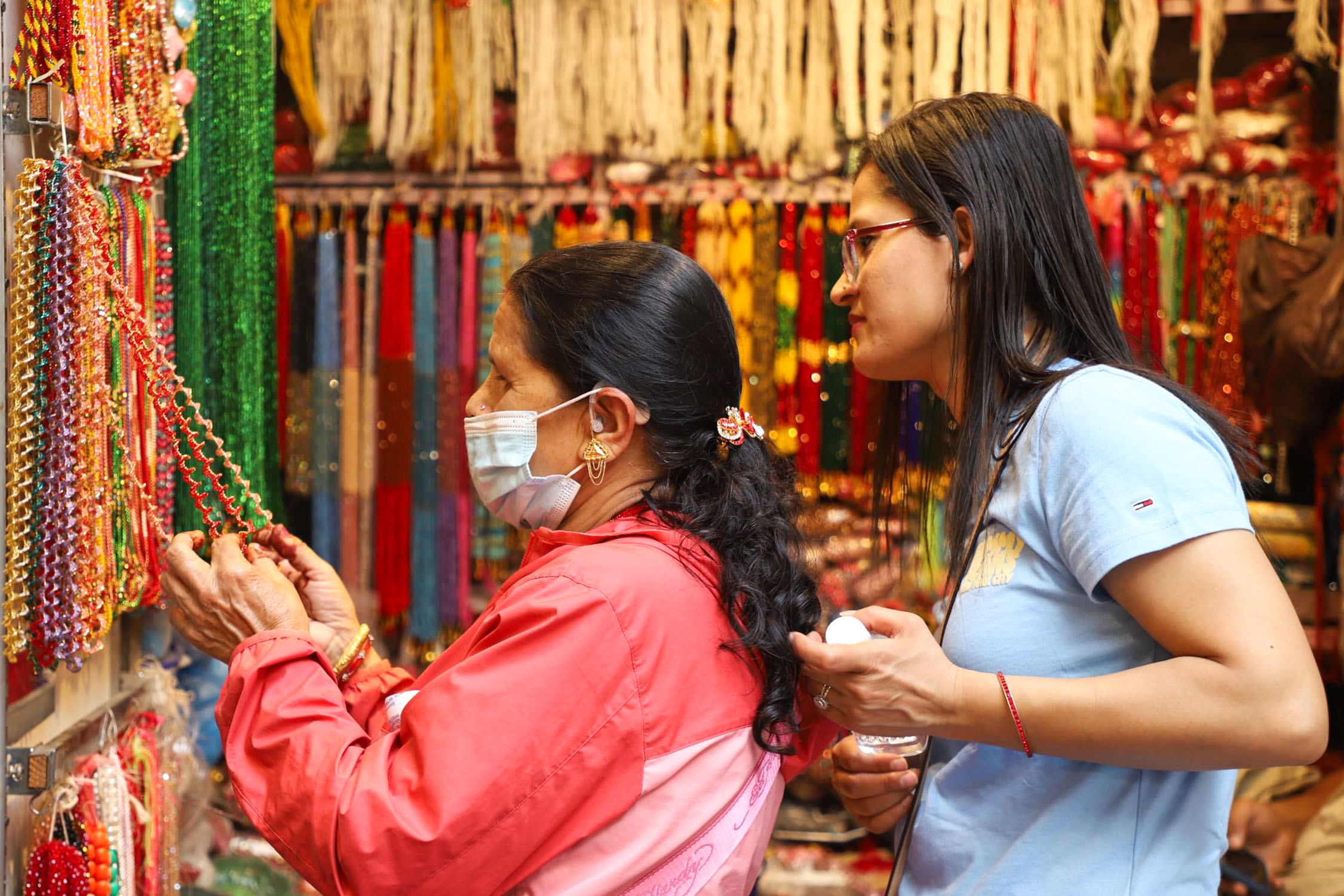
Kathmandu. As the month of Saun begins, women can be seen walking dressed in green bangles and mehendi. The trade of these goods has increased in the market. Especially in Asan-Indrachowk, the movement has increased.
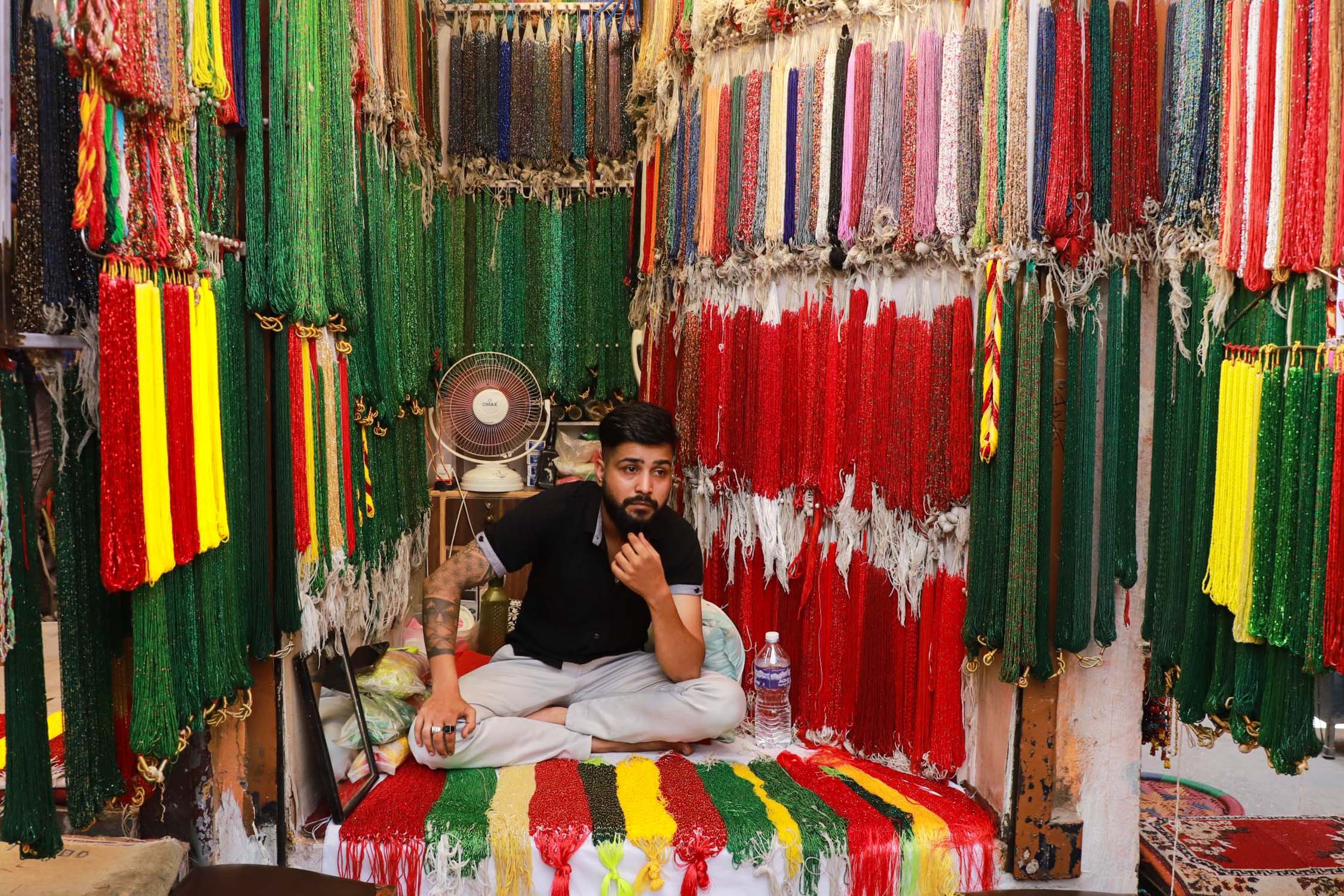
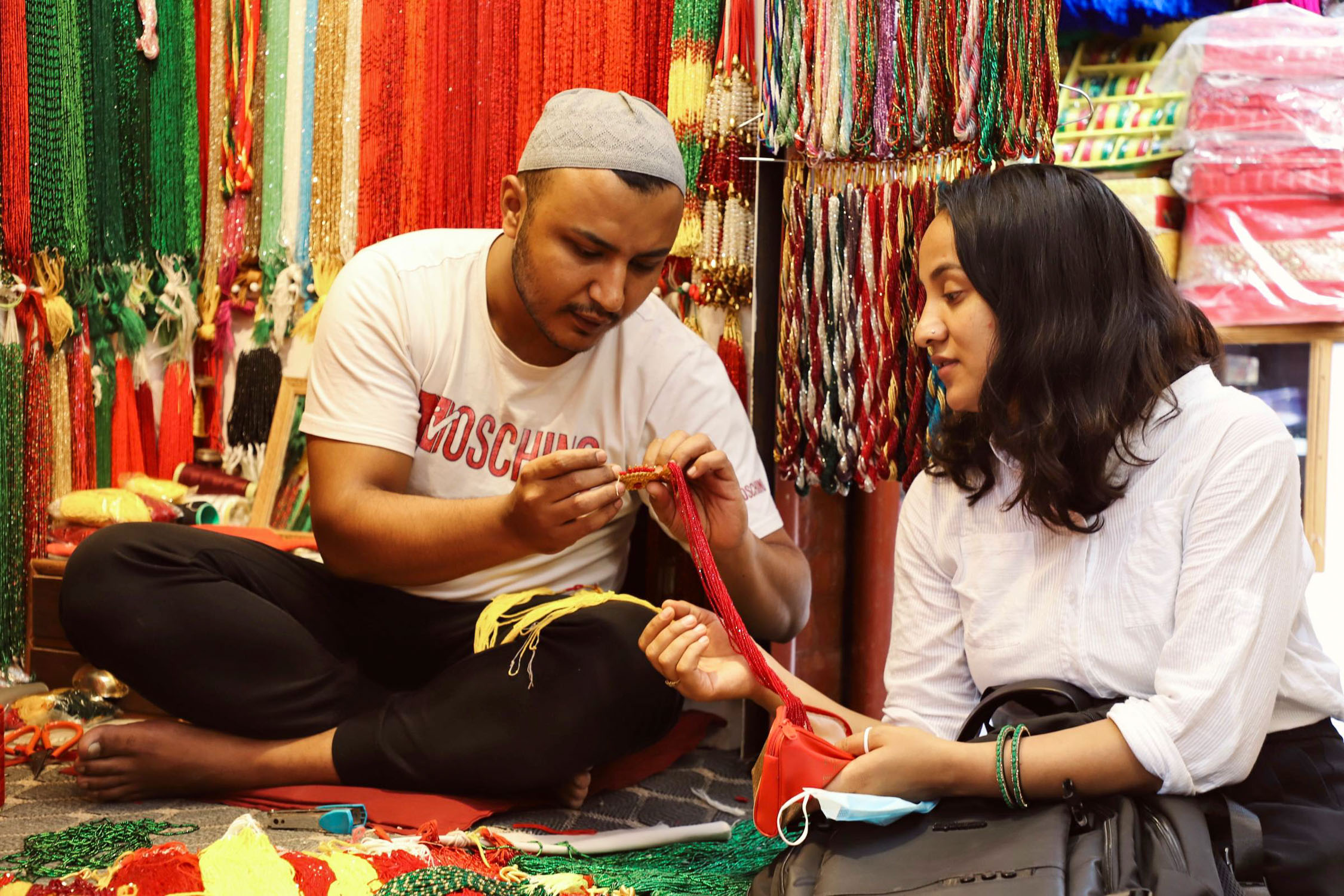
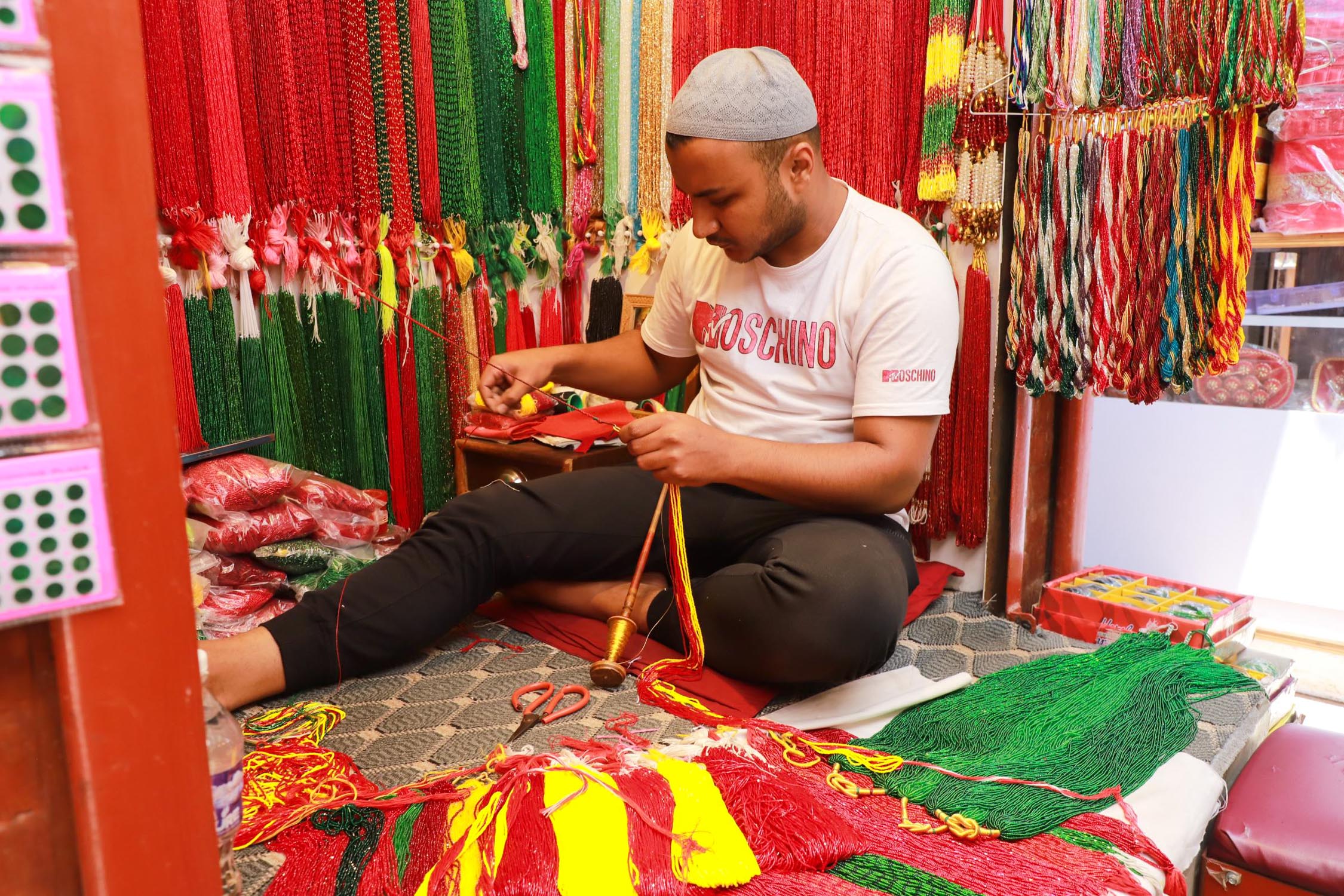
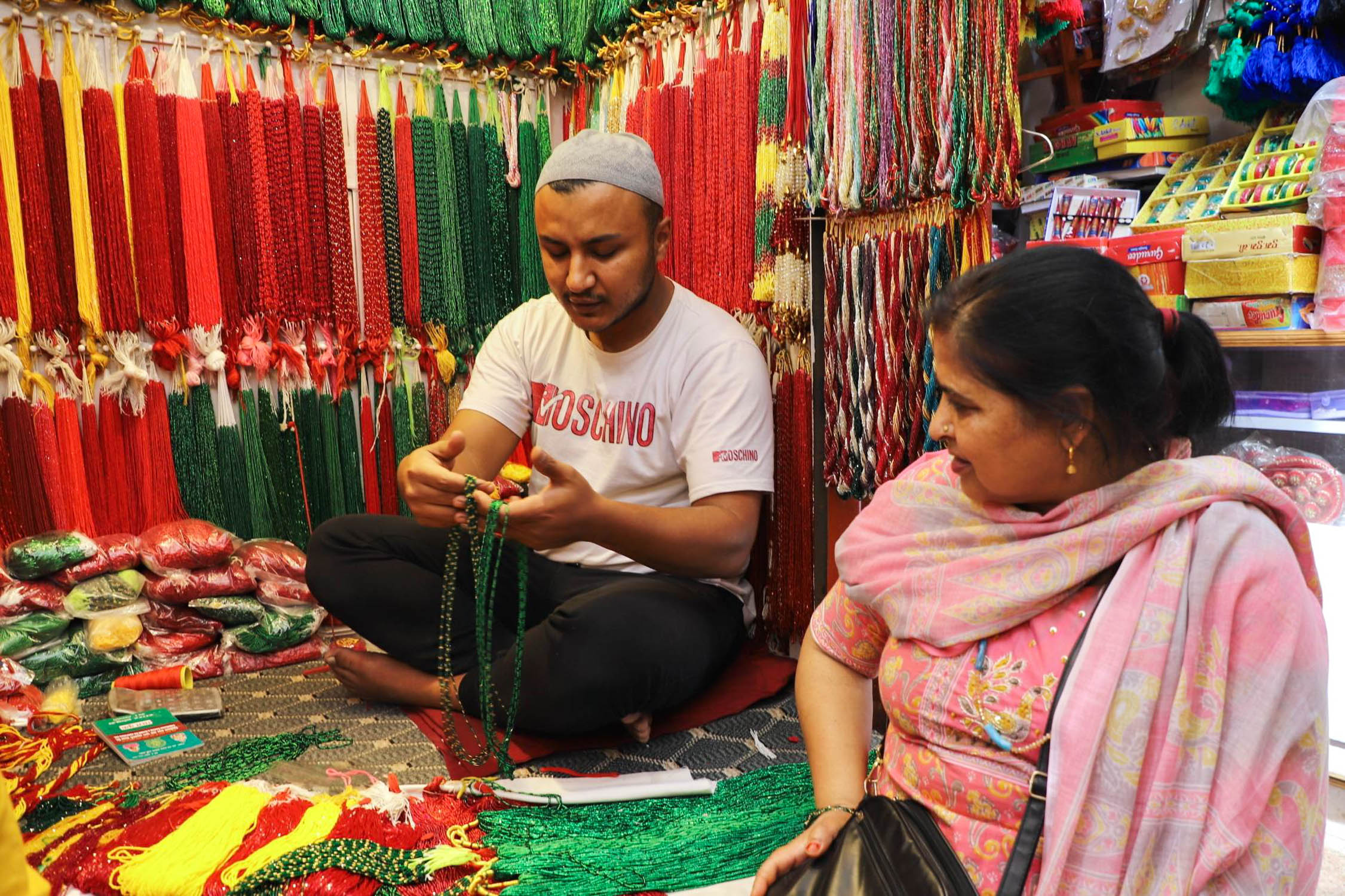
Indrachowk has been famous for stealth for years. This market looks even more colorful in July. People seem to be busy wearing colorful clothes. Interestingly, Muslim hands are bent on making bangles that adorn the necks and hands of Hindu women.
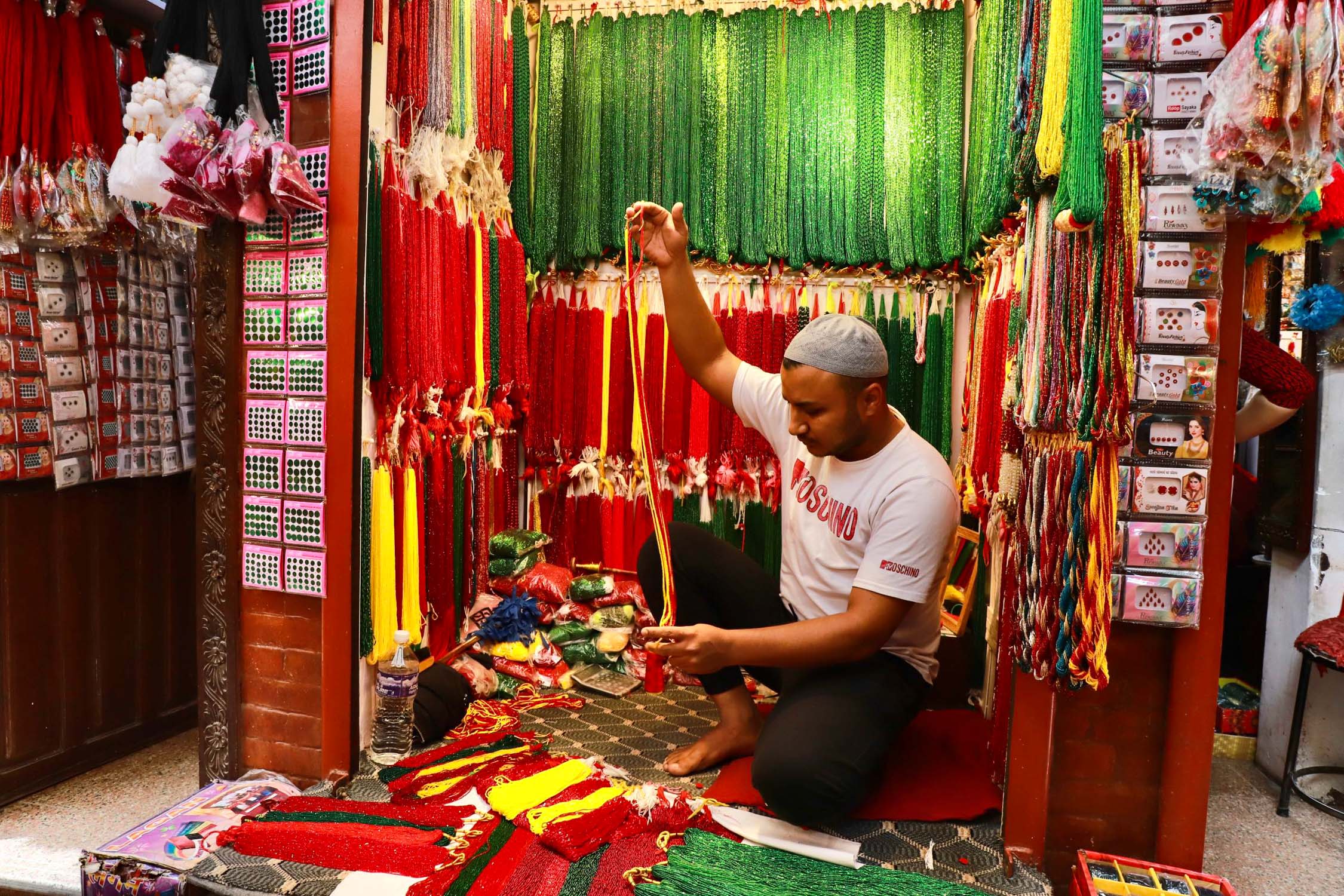
Sajib Uddin’s shop in Indrachowk is full of tiny coloured glass grains. The coexistence of pots, bangles, greenish-red colours and skills, experiences and religions mixed within that color. “This is our grandfather’s shop. Baje did the same thing for 60-70 years. I learnt from him,” he says.
According to Sajib, it took him a year to learn this skill of making grandsons. He has been working for 8-9 years now. Having an old house in Swayambhu of Kathmandu, he now lives in Banasthali. Prior to this, he worked in Qatar for six years. After returning, he caught the old tradition.
It’s not easy to make grandchildren. Some can be done in five minutes, some take two to three hours. The demands of color vary. “Red, green and yellow are in the most demand now,” he said.
Women often come in groups in July. Some of them buy it for themselves, while others buy it for the purpose of giving gifts to other women. According to Sajib, the price of the pot varies from Rs 15 to Rs 500-600. Cheap pots are especially used in temples.
He said that there will be more business on other days than Monday. He said that the sales will double in the month of July compared to other months. Parking has made many uncomfortable.
Photo: Mamun KC/ Nepal Photo Library














प्रतिक्रिया दिनुहोस्