


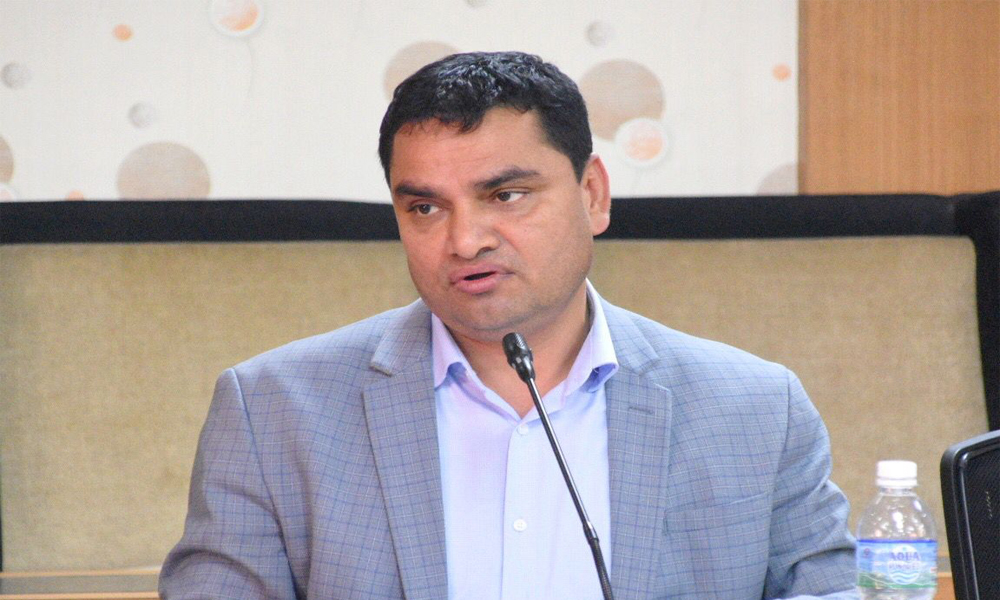
Kathmandu. The present government has completed one year. Although the Ministry of Health and Population has achieved some concrete achievements during this period, delays in implementation, lack of resources and lack of support from donor agencies have added to the challenge.
Although the budget is increased from the previous year, it is not enough as per the requirement. Although policy decisions have been taken in the health sector, there are challenges in their implementation. Effective implementation of decisions is essential for them to be meaningful.
Kathmandu, Nuwakot, Rasuwa, Sunsari, Dolpa and Kailali districts have been declared fully vaccinated on July 15. This is the first time that all the districts have been fully vaccinated in a single financial year. Full immunization is announced only after children between the ages of 16 and 23 have completed all vaccination doses within the prescribed age.
In addition, it has been decided that the HPV vaccine against cervical cancer will be included in the routine vaccination schedule from next year. Around 1.7 million girls were benefited from the vaccination drive conducted from February 24 to February 15.
The Ministry of Health has also released the National Population Policy during this period. The main objective of the policy is to improve the balance between fertility rate and population while ensuring reproductive health rights.
The specialty of the policy is to empower the youth and make full use of the demographic dividend, unbalanced internal and external migration, disorganized settlements and balancing the empty settlements of the villages and hills with development and opportunity.
Efforts have also been made to make long-term improvements in the health insurance program. The report of the task force formed to improve the program, which has been lacking effectiveness even after a decade of implementation, has been made public.
The report has also decided to expand the facility bag up to Rs 500,000, make insurance mandatory, make arrangements for the insured citizens to get immediate benefits from the service provider s and send one percent of the income of government hospitals to the insurance fund.
In the same period, guidelines have been implemented to make 100 percent warning pictures mandatory on tobacco products from August 1. Under this, products without warnings and deadly images cannot be produced, sold or distributed.
Nepal has received the first phase of medicines for free supply of balkanser medicines under the international ‘Global Platform for Access to Childhood Cancer Medicines’. Apart from this, arrangements have been made to provide free treatment to patients with cerebral palsy and treatment of burn victims will also be free of cost.
Nepal Pharmaceutical Limited has received the World Health Organization’s ‘Good Manufacturing Practice’ (GMP) certificate five decades after its establishment. With this, the way has been opened for the company to participate in the drug sales, export and international bidding process.
Pradeep Poudel, who is in charge of the Ministry of Health, has decided to provide up to Rs 200,000 to the treatment of patients suffering from cancer, heart, kidney, head injury, spinal injury, sickle cell anemia, Parkinson’s and Alzheimer’s. This facility will come into effect from July 1.
Similarly, the process of human resource management has been forwarded with the goal of adding 12,000 health workers in five years. The ministry has also planned to add 2,500 manpower annually.
The Ministry of Health is preparing to start providing services to 57 local level hospitals that have not come into operation from July 15. Minister Poudel said that although there is a shortage of health manpower, the organization and management of the health sector are in the final stage of conducting a survey and submitting it to the Council of Ministers after completing the process so as to add manpower for decades.
Although the Act was enacted in 2055 BS, the Act was not legally implemented as the governments since then did not publish the notification in the Gazette. The government has already decided to implement the ‘Iodised Salt (Production and Sale And Distribution) Act, 2055 BS’ by publishing a notification in the Nepal Gazette on May 12.
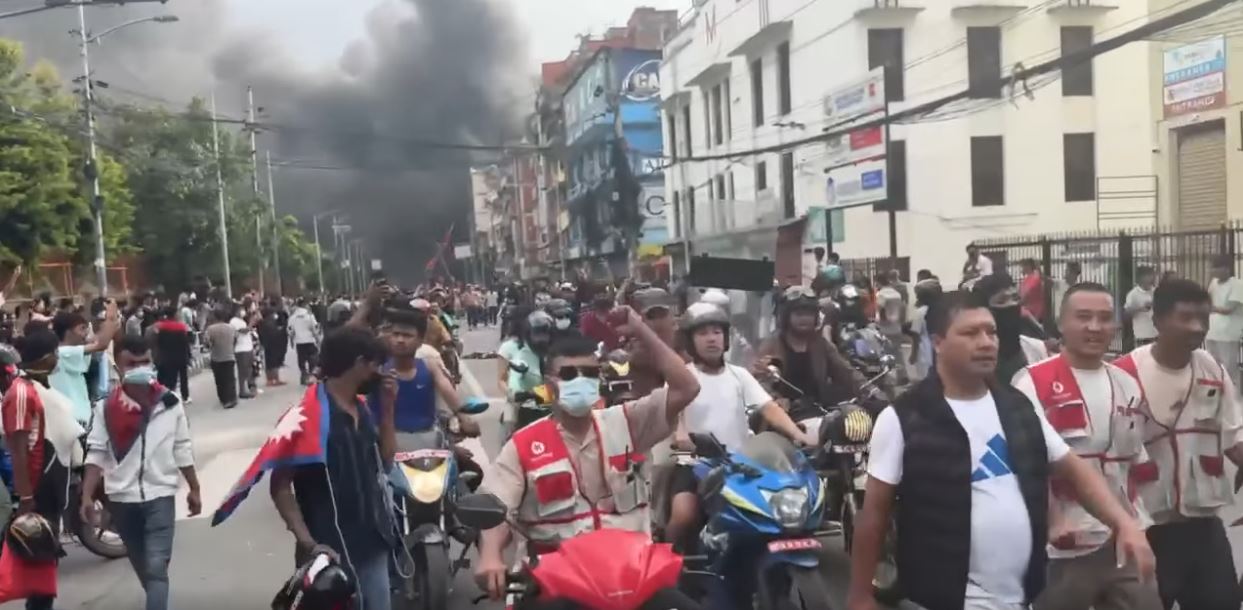
Building structures, equipment, raw materials and documents have been damaged to the tune of crores of rupees due to arson by rajawadi group at Koteshwor-based herbal production and processing company on March 15. However, the company has resumed production of the drug, albeit on some scale.
Since this year, many programs of the ministry have been affected by the reduction of donor assistance. U.S. aid agency USAID’s suspension of aid has had a direct impact on nutrition, immunization, maternal and neonatal health and reproductive health programs.
The doctors took to the streets objecting to the action taken by the consumer court in the medical case, while the private resident doctors took to the streets demanding subsistence allowance at par with the government. Although the movement has been suspended through talks, its long-term solution remains the same.
Health Secretary Dr Bikash Devkota said the Ministry of Health has made progress as expected despite limited resources and resources. According to him, the overall progress of the ministry is above medium.
“We tried our best to do as much as we could, even if we couldn’t do it as fully as we expected. There are signs of improvement in health insurance. Signals are not enough, we have to work ahead. We have been successful in drawing the insurance framework. Now it can be said that insurance can take a rhythm,” devkota said.
Although Health Minister Poudel has taken important health decisions this year, there are challenges in implementation. It seems that more decisions have been taken in the continuation of the regular program. The Health Ministry is still failing to succeed in big decisions. Implementation of the Health Ministry’s decision, coordination and long-term financial resources need to be strengthened. The government’s health sector needs to be more efficient to ensure that citizens get quality, affordable and accessible services.
Delay in implementation, lack of health manpower, lack of coordination between the federal-state-local levels and declining foreign aid are seen as challenges. But the initiative shown by the Ministry now needs to be converted into result-oriented implementation.
















प्रतिक्रिया दिनुहोस्