


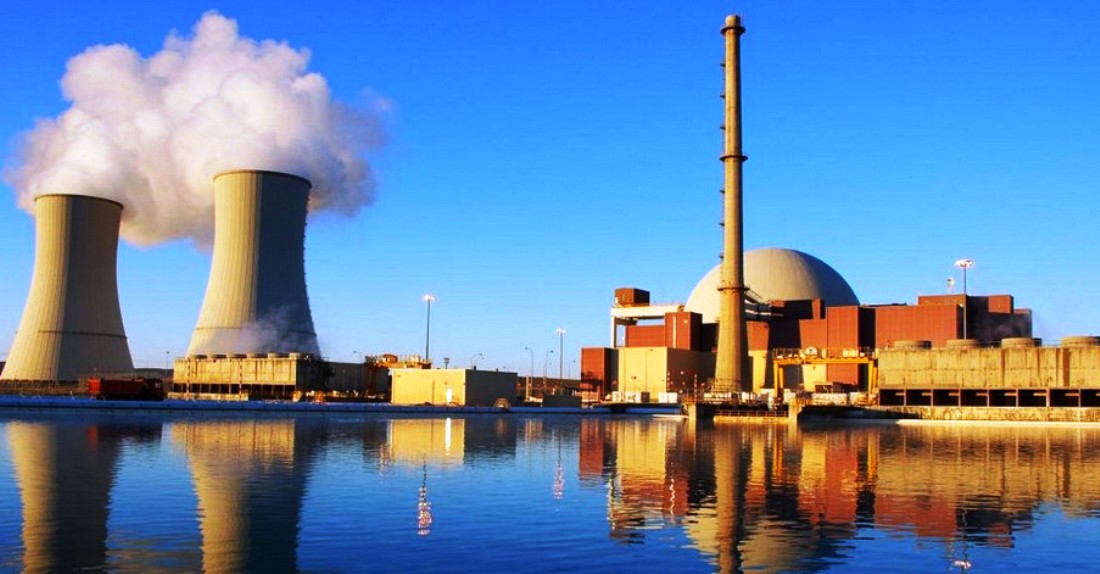
Kathmandu. Japan’s Kashiwazaki-Kariwa plant, the world’s largest nuclear power plant, was suspended on Thursday. The Tokyo Electric Power Co (TEPCO) said the reactor was “stable” but the operation was halted when the monitoring system sounded an alarm during startup.
The plant in Niigata prefecture, which was shut down after the 2011 Fukushima disaster, restarted on Wednesday, but was delayed after receiving final approval from the nuclear regulator. However, the reactor control rods were retracted and operations were halted as per safety measures, TEPCO said in a statement. The reactor is “completely stable and there is no radioactive effect outside”.
The Kashiwazaki-Kariwa plant is thought to be the world’s largest-capacity plant, but only one of the seven reactors has been restarted. The control rods of the reactor control the reaction of the nuclear chain, which can be accelerated or slowed down or stopped altogether as needed.
Japan shut down its nuclear power plant for a long time after the 2011 earthquake and tsunami that caused the Fukushima reactor to melt down. However, due to its energy needs and the goal of achieving carbon neutrality by 2050, Japan is gradually trying to restart nuclear power.
In Niigata prefecture, about 60 per cent of residents oppose the restart, while 37 per cent support it, according to a survey. “It’s the electricity in Tokyo, so why put the people here at risk?” said Yumiko Abe, 73.
Earlier this month, seven protest groups submitted a petition with 40,000 signatures that put the plant in an active seismic zone and was affected by the powerful earthquake of 2007.


















प्रतिक्रिया दिनुहोस्