



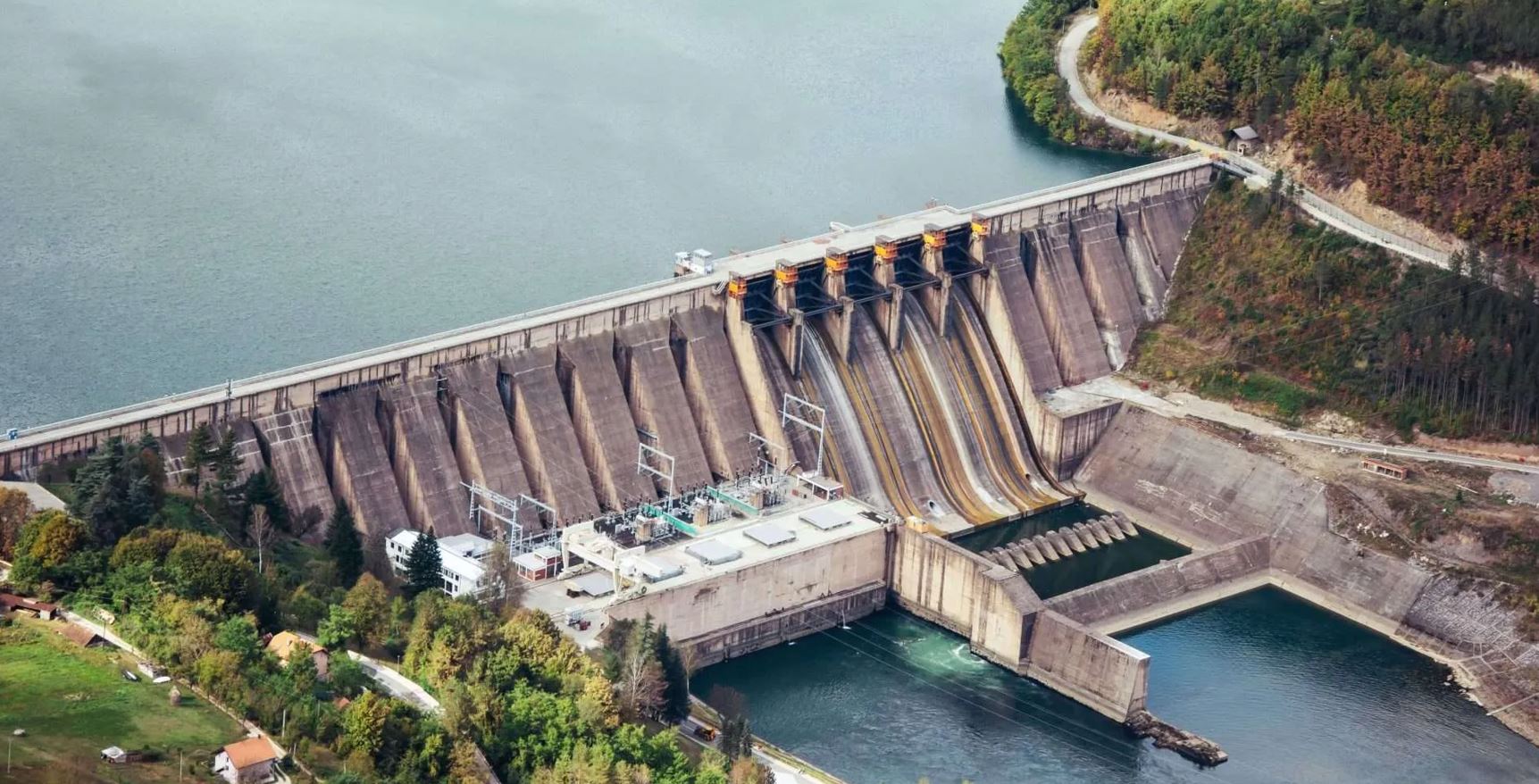
Kathmandu. KATHMANDU: Independent Power Producers’ Association, Nepal (IPPAN) has called for the inclusion of private sector issues in the party’s manifesto for the development of energy.
Writing a letter to the Nepali Congress, CPN-UML, Nepali Communist Party, Rastriya Swatantra Party, Rastriya Prajatantra Party, Bright Nepal Party, among other political parties on Friday, they have made this demand. The letter addressed to the chiefs of all the political parties outlined 13 points including transforming Nepal into a strong and capable country in energy security, declaring Nepal an energy-friendly country to develop Nepal as a country using clean and green energy, and including private sector in electricity trade, transmission and distribution to create competitive environment through multi-seller, multi-buyer by amending the Electricity Act, 2049 ।
“The energy sector has become the main basis for the country’s prosperity and development at present, and if the political parties can move ahead by mentioning in the manifesto to attract the investors in the energy sector with the highest investment in Nepal, it will attract more investment,” he said, adding that there is a need to move ahead by involving the private sector in electricity trade, transmission and distribution to achieve the government’s goal. The plan to achieve prosperity through energy development will not be complete unless the private sector is included in it. ’
Stating that the private sector has already generated more than 3,300 MW in 26 years, is constructing 190 projects of 5700 MW and 958 projects of 36,336 MW are under construction and investment worth around Rs 1300 billion has been made for power generation, the manifesto has urged the government to clearly include issues to take the private sector forward.
A study by the Water and Energy Commission shows that Nepal has 48,000 MW of reservoirs and 72,000 MW of water resources. Stating that hydropower projects have shown the capacity to generate only 120,000 MW of electricity, 4,000 MW has been generated so far, according to the National Planning Commission, 8,500 MW in the 16th Five-Year Plan and 40,000 MW in Bikram Sambad 2100 under the long-term target, 28,500 MW by 2035 as per the Energy Development Map, 2081 and 14,000 MW by 2030 and Third National Determined Contribution (NDC) by 2030 Likewise, IPPAN has demanded that it be included in the manifesto to move ahead with a clear policy and plan to achieve the target of generating 28,500 MW of electricity in the country.
The points sent by IPPAN with the demand for inclusion in the manifesto are as follows:
1. To transform Nepal into a strong and capable country in energy security and to develop Nepal as a country that uses 100% clean and green energy, declare Nepal an energy-friendly country.
2. To amend the Electricity Act, 2049 (2049) to include the private sector in electricity trade, transmission and distribution to create competitive environment through multiple vendors and multiple buyers.
3. The National Planning Commission (NPC) has proposed 8,500 MW of electricity generation capacity in the 16th Five-Year Plan and 40,000 MW by 2100 MW as per the long-term target, 28,500 MW by 2035 as per the Energy Development Roadmap 2081 prepared by the Government of Nepal and 14,000 MW by 2030 and 28,000 MW by 2035. To achieve the target of generating 500 MW, the power purchase agreement (PPA) will be opened immediately with a clear plan to attract domestic and foreign investors. In addition, the government of Nepal will formulate a separate plan for the energy sector to achieve the target of net zero emission by 2045 and will give special priority to production until these goals are achieved.
4. The state will construct basic infrastructure for the promotion of every industry and business for the increase in electricity consumption like in cement industries.
5. Export Nepal’s clean and green energy to neighboring countries to reduce increasing import and strengthen weak exports.
6. Promote necessary financial instruments to secure investment by domestic and foreign investors in the energy sector.
7. The government will provide special respect to the investors who invest more in industries including energy.
8. Formulate clear policy and roadmap for energy development among the federal, provincial and local governments and construct big projects in public-private partnership.
9. To create an environment to move ahead on the basis of existing laws and to end the tendency of investors getting discouraged by unstable policies.
10. To simplify and facilitate the use of forest area for the development of projects including energy for optimum utilization of Nepal’s natural resources.
11. To shut down the energy sector, to build a strike-free zone.
12. To facilitate the energy sector, a National Energy Development Council will be formed under the chairmanship of the Prime Minister with the participation of major political parties.
13. Establish an energy academy with the joint participation of the government and the private sector to develop skilled manpower for hydropower development and to enhance the capacity of the people working in that sector.
















प्रतिक्रिया दिनुहोस्