


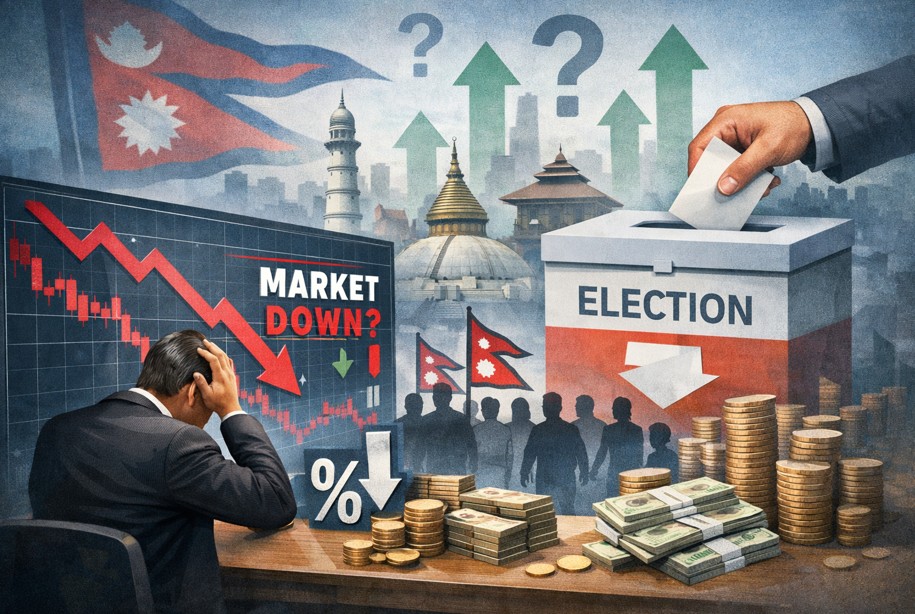
Kathmandu. There is a general narrative that says, “Now that the election is here, the capital market is going to go up.” This is not always the case. The election is approaching for March 21. However, there is no significant excitement in the stock market.
This time, the market has seen less movement. The stock market has not shown the expected enthusiasm. Now investors are in a wait-and-see mode. According to Chhote Lal Rauniyar, former president of Nepal Investors Forum, there is no enthusiasm in the stock market.
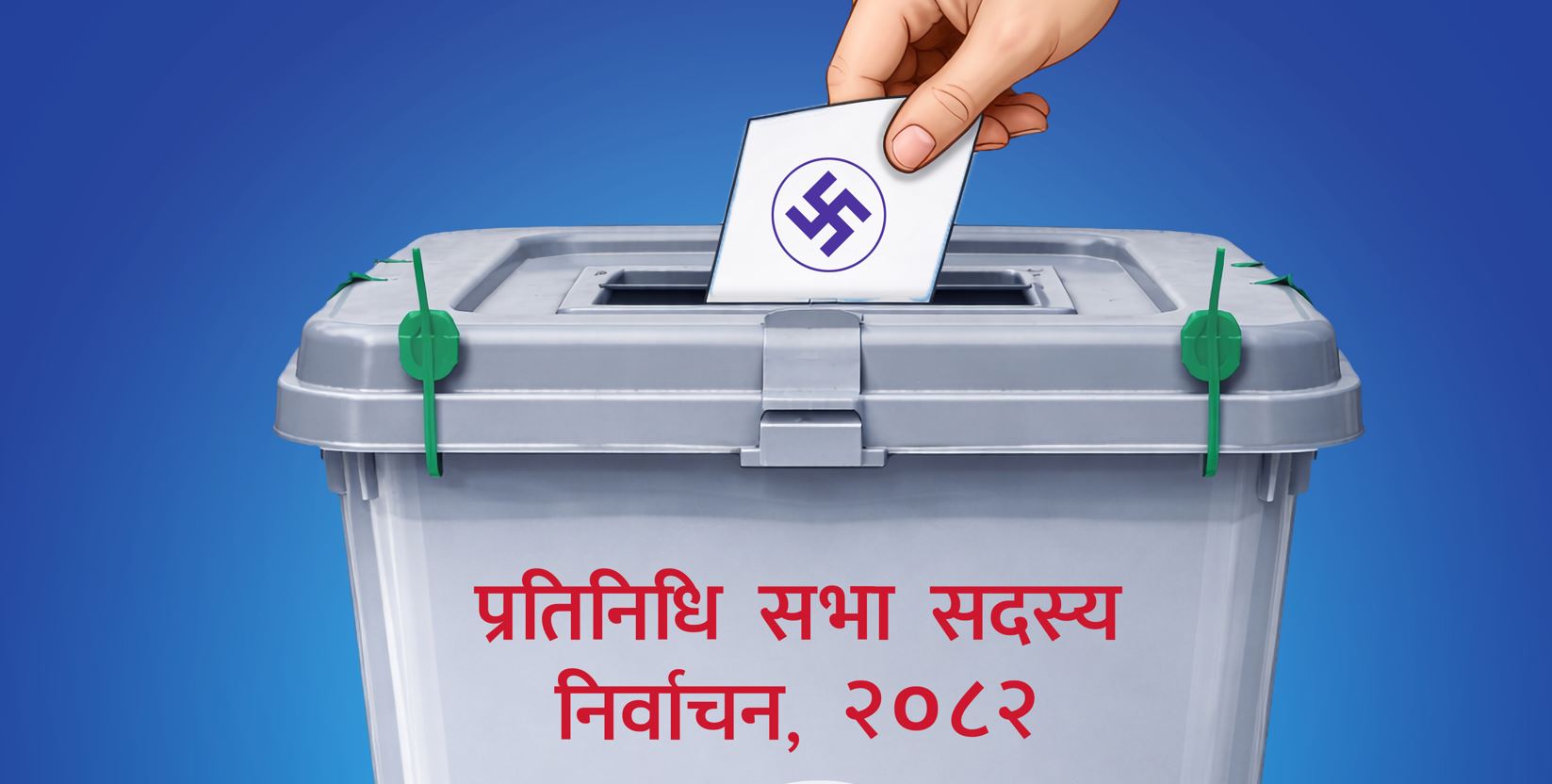
As the election to the House of Representatives is approaching on March 4, there is no traditional election enthusiasm in the stock market. The NEPSE index decreased to 2638 points from 2714 points on February 26. During this period, the stock market fell by 76 points. Shares were traded at Rs 16 billion per day in the month of January and now it has come down to Rs 5 billion per day.
Shares are now traded only for 4 trading days before March 4. Shares will be traded on 2 trading days this week and 2 trading days next week.
The interim government was formed after the Jenji agitation on September 23 and 24. Prime Minister Sushila Karki and Finance Minister Rameshwor Khanal are leading the government. Rauniyar, who is also an investor, says that the government formed after the Genji movement is also in favor of the stock market.
Similarly, Nepal Rastra Bank has adopted flexibility in the monetary policy. Now the interest rate is low. There is enough liquidity in the banking system. Rauniyar says that this is the basis for supporting the capital market. Now the interest rate on loans has come down to a very low point. However, the market has not been able to catch up. As of mid-January, the average base rate of loans of banks is 4.76 percent.
Rauniyar believes that political uncertainty is the reason for the stock market’s failure to rise. As the upcoming elections to the House of Representatives are approaching, will the elections be held in a fair and peaceful manner? He said that investors are not ready to invest psychologically due to the fear that this is being done.
“Now the election is confirmed. What will happen after the election, whose government will come to power? What will be the government’s policy? He also believes that there is no enthusiasm in the stock market. He said that political stability, election environment and the form of government formed after the results would determine the future direction of the capital market.

According to him, there has been no enthusiasm in the share market since the elections to the House of Representatives held in 2079. Even during the elections held in November 2079, the stock market could not gain much momentum. The stock market was stable in November 2079.
On October 29, 2021, the NEPSE index was at 1930.97 points, while on November 17, the trading day before the elections, the NEPSE index was at 1936.83 points. At the same time, the stock market did not see much improvement in the trading days after the election. By November 29, 2022, the stock market had fallen further. On that day, the NEPSE index was at 1899 points.
Nepali Congress leader Sher Bahadur Deuba was the prime minister and Janardan Sharma of the CPN (Maoist) was the finance minister. After the election, Pushpa Kamal Dahal (Prachanda) became the Prime Minister. CPN-UML leader Bishnu Poudel has been appointed as the finance minister. However, the stock market has not been able to gain momentum.
Experts in the concerned sector say that due to lack of liquidity in the market and high interest rates, the morale of the investors has not been raised. Similarly, investors are of the view that the stock market could not rise due to the 4-12 cap policy imposed in the stock market during that time, the CD ratio, etc. However, in this election, the liquidity crunch at that time has eased all the policy caps. However, the stock market has not been able to gain momentum.

Similarly, the stock market saw some improvement in the elections held in the House of Representatives in 2074. Nepali Congress leader Sher Bahadur Deuba was appointed as the Prime Minister and Gyanendra Bahadur Karki as the Finance Minister before the 2074 elections to the House of Representatives. The election to the House of Representatives was held on December 1, 2017. After the election, CPN-UML leader KP Oli became the Prime Minister and Yubaraj Khatiwada became the Finance Minister.
On November 17, 2017, the stock market was at 1504 points. After that, the index was at 1537 points on the trading day before the election. A few days after the election, the NEPSE index fell to 1390 points. The data shows that the stock market, which had risen in the days leading up to the election, has declined after the election. It is said that this will bring investment in the stock market during the election. It is argued that this will help in increasing the market.















प्रतिक्रिया दिनुहोस्