Skip to content

US-Iran tensions escalate: Battle for control of Hormuz intensifies, ceasefire weakens

. Tensions between the United States and Iran have escalated over control of the Strait of Hormuz, the main sea route for the world’s energy supply.

The latest military offensive has further weakened ceasefire efforts, with both sides claiming control of the waterfront.TAG_OPEN_div_50 The security situation in the Middle East has become more complicated due to tensions spreading to Kuwait and Bahrain.

Kuwait said on Monday morning that it had activated its air defense system and responded to the threat in the air.TAG_OPEN_div_48 The Kuwaiti military said there were no immediate casualties or casualties, although Iran said it was in retaliation for US airstrikes. Bahrain also said it sounded warning sirens twice on Monday in response to the potential missile threat.

Meanwhile, the United States and Iran have stepped up military activities against each other, making conflicting claims that the Strait of Hormuz is open or under control.TAG_OPEN_div_46 A waterway that is vital to global trade has once again become the centre of international concern after Iran targeted a container ship off the coast of Oman. Approximately one-fifth of the world’s crude oil and natural gas are transported through this waterway, so the instability here will have a direct impact on the global energy market.

The 60-day interim agreement between Iran and the United States to end a permanent war has passed halfway through, but it has not delivered the desired peace.TAG_OPEN_div_44 Instead, recent attacks and counteroffensives have challenged diplomatic efforts. UN Secretary-General Antonio Guterres has warned of “catastrophic consequences” if full-scale war resumes.

The U.S. military’s Central Command said on Monday that dozens of Iranian military targets were attacked, including air defense systems, radar centers, missile and drone infrastructure, and small boats.TAG_OPEN_div_42 The Central Command has made it clear that Iran’s control of the Strait of Hormuz is not acceptable as it is an important sea route for global trade.

Iran’TAG_OPEN_div_40 s Islamic Revolutionary Guard (IRGC) has rejected US claims that the Strait of Hormuz is its territory and will not accept any external military intervention. The Guard has called the US presence illegal and warned of further retaliation if necessary.

Iran’s state media said at least TAG_OPEN_div_38 one person was killed in a series of explosions in the US strikes on Monday morning. On Sunday, Iran’s counteroffensive spread to Bahrain, Kuwait, Qatar, Jordan and Oman. Oman, which has long acted as a mediator between Iran and the West, also expressed dissatisfaction with the latest attack and summoned Iranian diplomats.

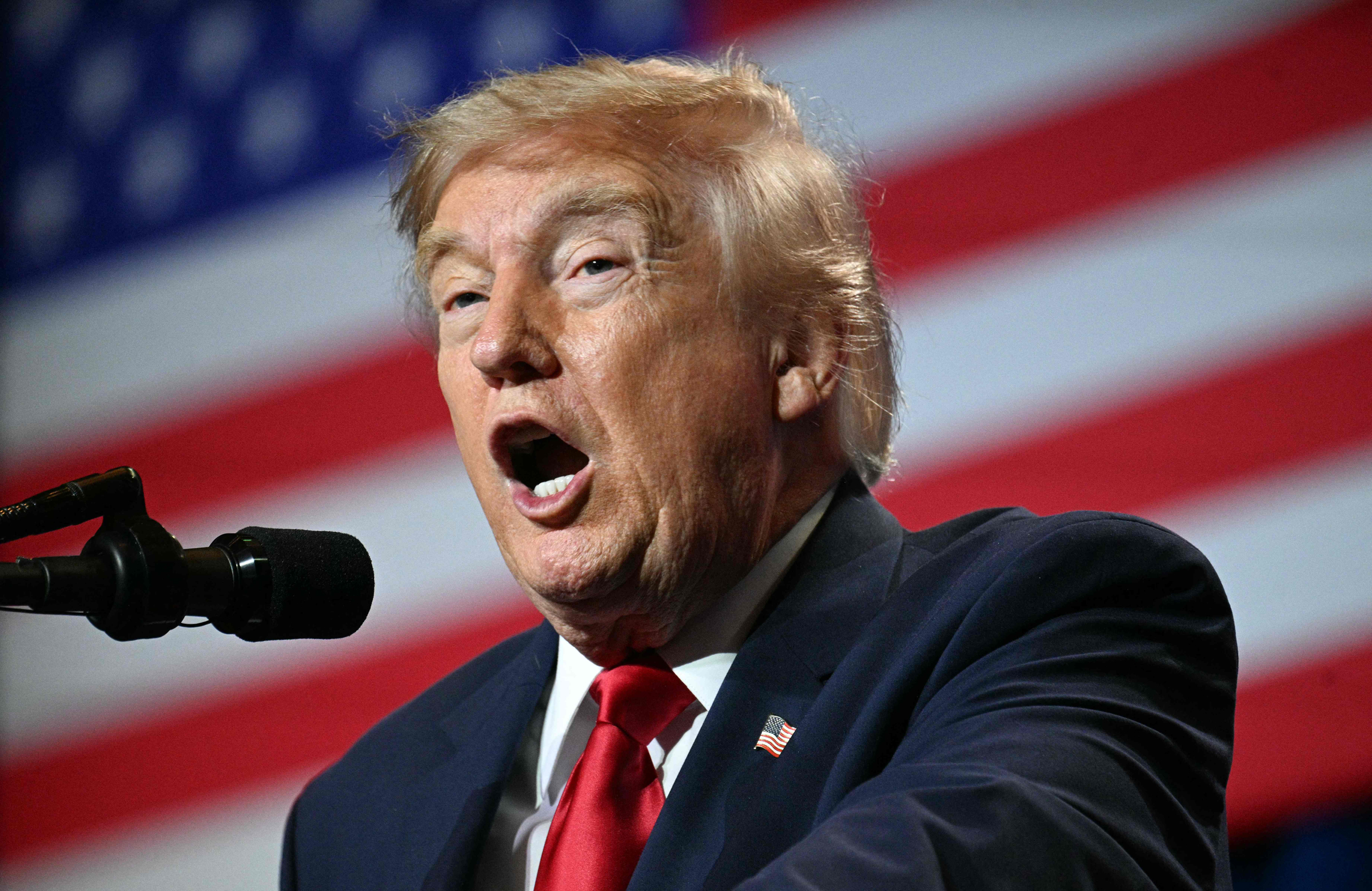
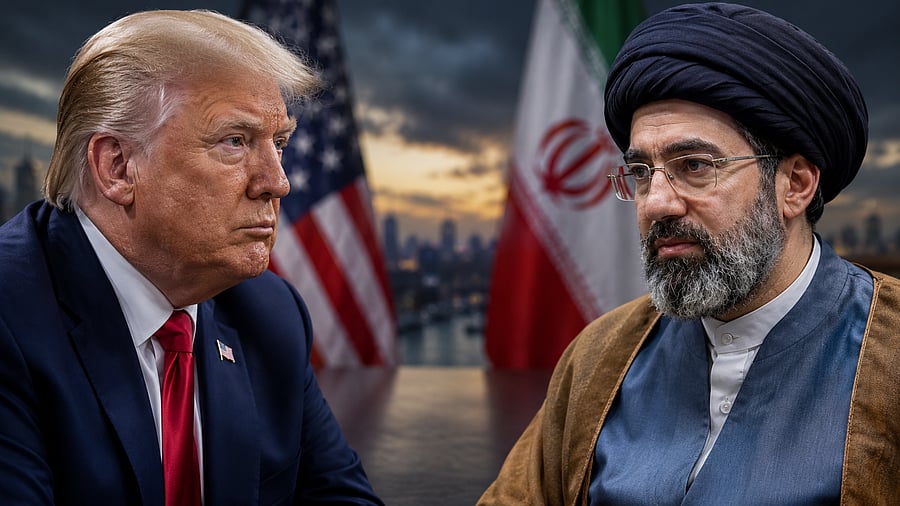
On Sunday, the U.S. military said it had attacked about 140 military targets.TAG_OPEN_div_36 It is believed to be the biggest military operation in recent weeks. US President Donald Trump has also confirmed that US forces have bombed Iranian targets.

In response, Iran claimed that it had targeted regional countries with a US military presence and reiterated its position that it would maintain control of the Strait of Hormuz and that ships passing through it must abide by Iranian rules.TAG_OPEN_div_34 Iran’s parliament speaker and chief negotiator Mohammad Bagher Kalibaf has said the “unilateral deal” has expired and warned that any party that does not fulfil its commitments will pay a “price”.

Despite Iran’s claims that the straits are closed, the US and President Trump have said that the sea route is operational.TAG_OPEN_div_32 Iran has also started targeting ships using Oman’s southern sea route as the US military began protecting ships using the southern waterway of Oman.

Due to the war, the price of crude oil in the international market initially reached $ 120 per barrel.TAG_OPEN_div_30 Although prices have eased in recent days, uncertainty over energy supplies and maritime security remains.

Pakistan, Qatar and Egypt are continuing to mediate to end the war.TAG_OPEN_div_28 A regional official familiar with the talks said efforts to make the ceasefire permanent have not stopped. Pakistan said its foreign minister had held a telephonic conversation with Iran’s top diplomat and urged both sides to de-escalate tensions.

Meanwhile, Iran’s new Supreme Leader Ayatollah Mohottaba Khamenei issued his first public statement since the funeral of his father Ayatollah Ali Khamenei, vowing to avenge the attacks on Iran.TAG_OPEN_div_26

Prabhu
sikhar insurance

प्रतिक्रिया दिनुहोस्

dish home
national life
http://sanimareliancelife.com/
MAK 4T
Arghakhachi
Gili