

Kathmandu. International oil prices fell on Friday amid tensions in the Middle East, prompting Israeli Prime Minister Benjamin Netanyahu to sign that the war would end soon, signalling no further attacks on energy infrastructure. However, uncertainty in the energy market still persists as the conflict continues.
Netanyahu told reporters that Iran was “on the verge of destruction” and that Israel and the United States were “on the road to victory”. According to him, Iran no longer has the ability to enrich uranium or build ballistic missiles. It is believed that the war will end sooner than expected, but no clear timeline has been given.
“We are working with the United States to secure the Strait of Hormuz,” he said. Nearly a fifth of global oil and gas supplies pass through the strait, which is considered extremely vulnerable.
US President Donald Trump has advised Israel not to attack Iran’s energy infrastructure further. He said that he had spoken to the Prime Minister and asked him not to carry out such an attack and that he had accepted it. Earlier, Iran had warned of retaliation against its energy infrastructure in the Gulf after Israel attacked the South Pars gas field.
The impact of these signals on the oil market is immediate. Brent crude oil is down around $98, while West Texas Intermediate is trading at around $94. Earlier, prices had risen sharply after Tehran attacked energy facilities in the Gulf region. European gas prices also jumped by more than a third in one phase.
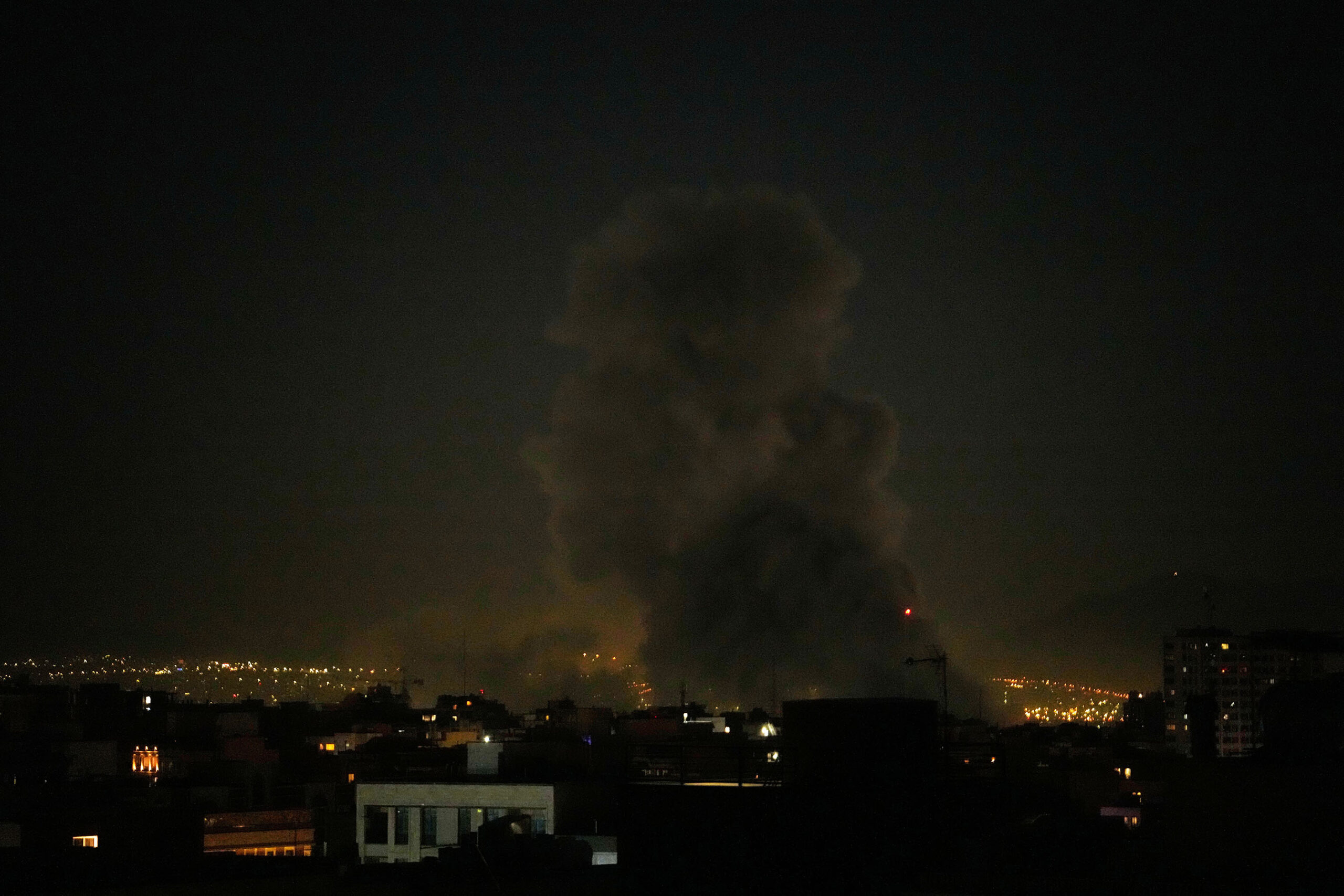
But even as the war enters its fourth week, the risk has not gone away. Iran’s effective closure of the Strait of Hormuz continues to raise fears that energy supplies could be disrupted. Meanwhile, Israel launched more airstrikes on Tehran on Friday, while Iran reportedly set fire to Kuwait’s oil facilities after a drone strike.
French President Emmanuel Macron has said he plans to open talks with permanent members of the Security Council on the creation of a UN mechanism to ensure safe movement in the Strait of Strait, but indicated the move would only be possible after a ceasefire.
The impact of the war has also been felt in the global financial markets. Asian stock markets have fallen sharply, even though Wall Street has shown some recovering. Markets in Hong Kong, Shanghai, Sydney, Singapore, Taipei and Wellington declined, while Seoul, Mumbai and Bangkok saw modest gains. In Tokyo, business was closed due to a public holiday.
Analysts say that while Netanyahu’s assurances have provided some relief in the market, the long-term impact is unlikely to go away anytime soon. According to Stephen Innes of SPI Asset Management, such comments reinforce the notion that supply constraints may be limited in the short term. However, he believes that the impact of the crisis will not end immediately as it will take time to rebuild energy infrastructure, restore supply networks and restore confidence in global transport.


















प्रतिक्रिया दिनुहोस्