

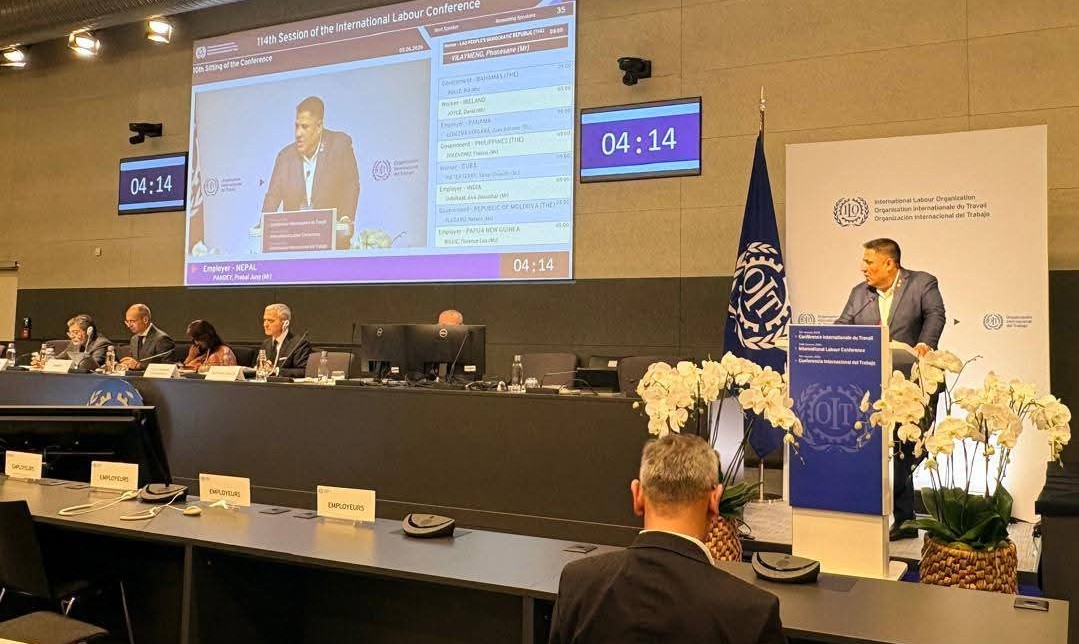
Let’s go to Kathmandu. Likewise, Associate Vice-President of the Federation of Nepalese Chambers of Commerce and Industry (FNCCI) Prabal Jung Pandey underscored the need for pragmatic policy flexibility, increase enterprise productivity and stronger tripartite cooperation to face the existing changes and challenges in labour market.
Pandey said this while addressing the 114th session of the International Labour Organization (ILO) held in Geneva, Switzerland on Tuesday. Addressing delegates, distinguished personalities and social partners from around the world, Pandey said that Nepal is currently going through a significant economic transition.
He drew the attention of the world community that despite the government’s commitment to good governance, investment promotion and infrastructure development, sluggish economic growth in the domestic market, limited industrial development and increasing business cost still remain. “Youths of Nepal are continuously migrating to foreign destinations for employment. This is a matter of concern. He said that decent and productive employment opportunities should be created in the country by linking investment-friendly policies, skill development and education to the real demand of the labour market. ”
Highlighting the changing global environment and digital economy, Pandey said that youth engagement in digital services such as online business, ride-sharing and delivery platforms is growing rapidly in Nepal. “It has also opened up new entrepreneurial opportunities, but it has also created a new debate on labor standards and social security issues,” he said.
He stressed on giving flexibility to developing countries like Nepal to implement labour reforms and legal provisions as per their national reality, institutional capacity and economic condition instead of imposing rigid global standards.
He also presented the key priorities and ongoing efforts of Nepali employers. “With the implementation of the National Occupational Safety and Health Action Plan, there has been a growing awareness among employers that safe and healthy workplace is not only a social responsibility but also an essential element for productivity, sustainability and business competitiveness,” he added. Under this, special guidelines have been formulated in sectors like tea and cardamom and preliminary work has started, Pandey said.
Further, the FNCCI has successfully initiated a pilot project of “Care Model” in selected industries and believes that this will go a long way in creating employment opportunities especially for women and enhancing social inclusion and community well-being in the workplace.
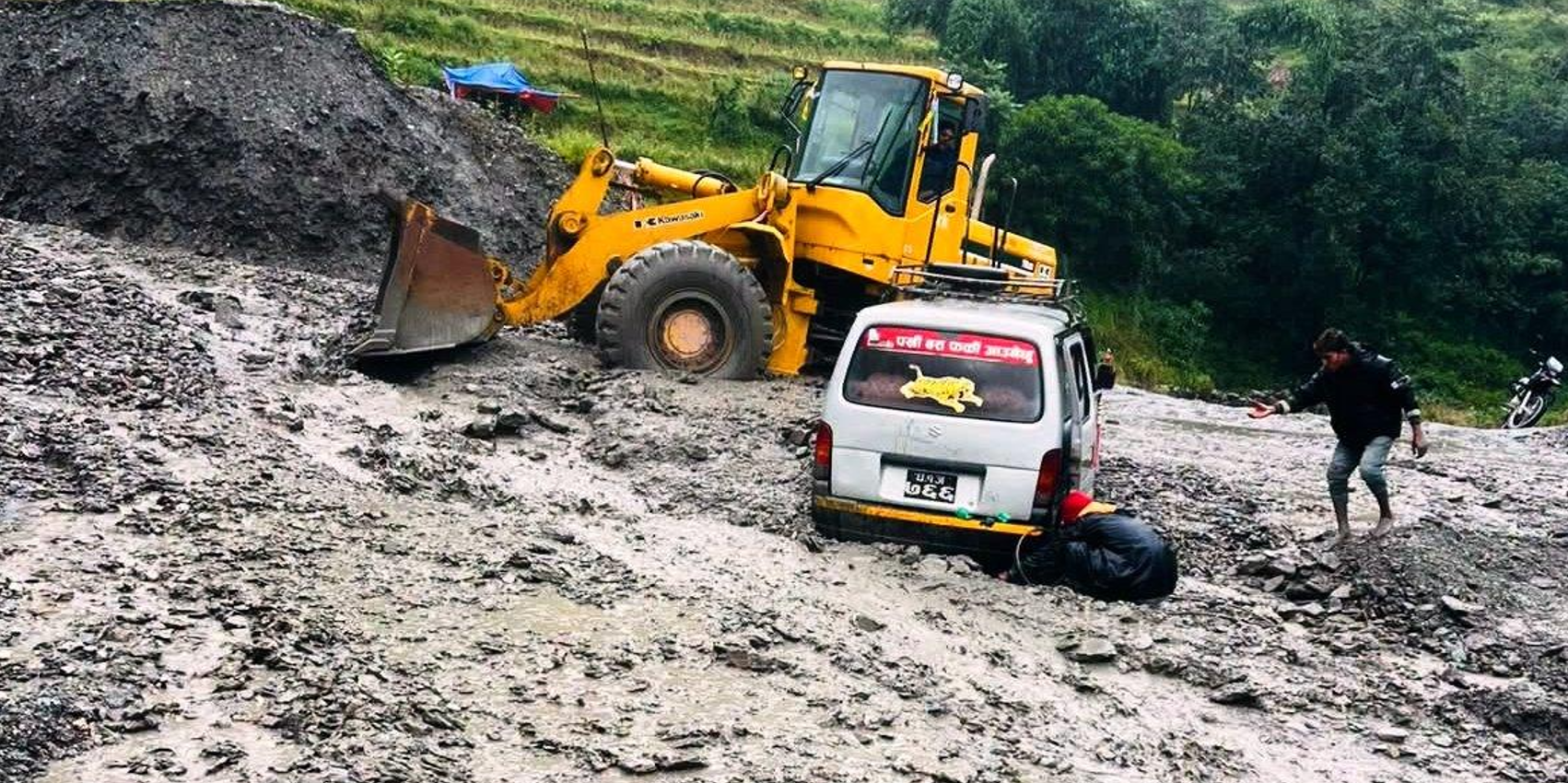
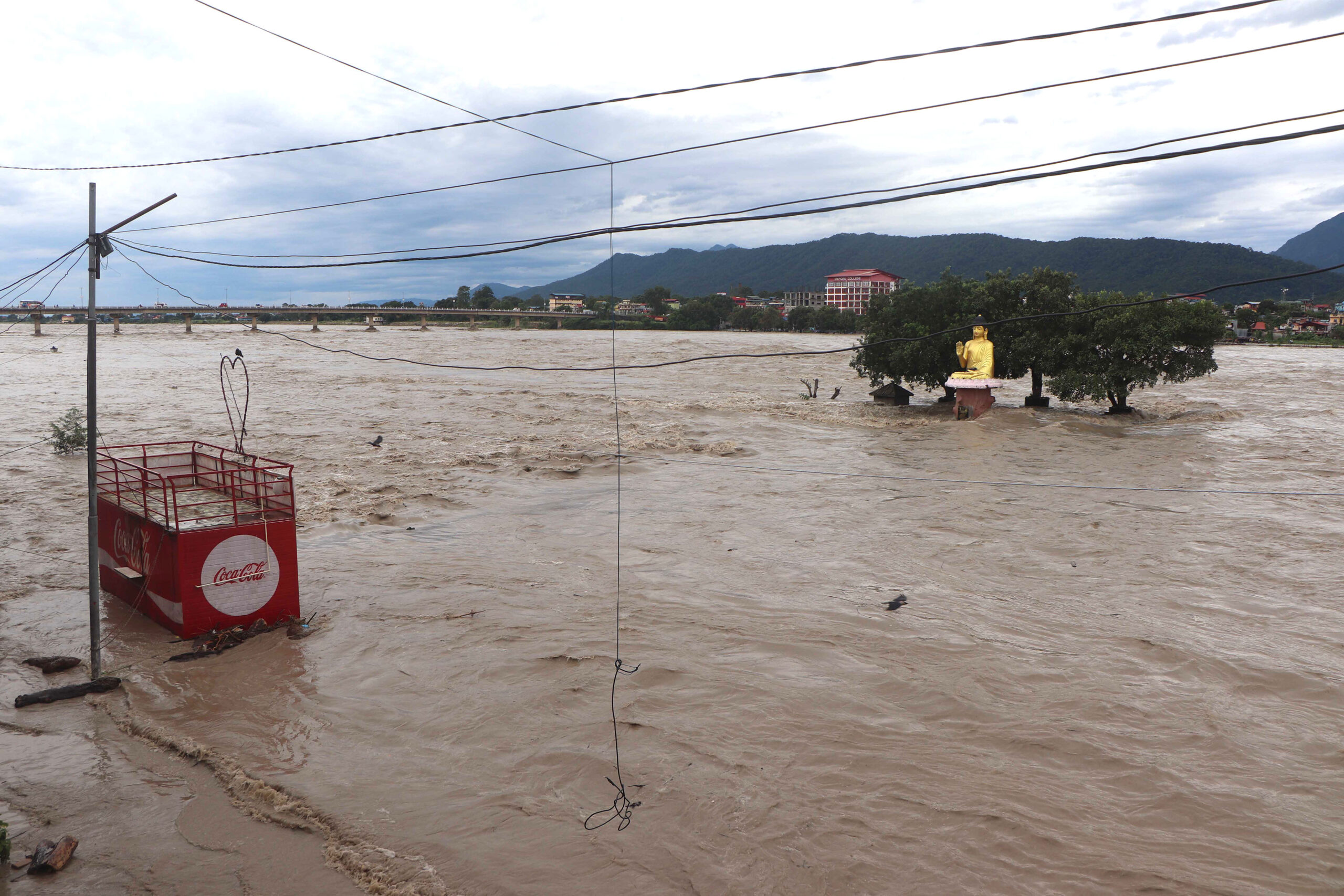
In view of the serious impact of floods, landslides and climate change on industry, agriculture and livelihood, Pandey stressed on the need to include green jobs and technical support to countries that are vulnerable to climate risk in the global discourse on the future of the workplace. Similarly, the role of employers is crucial in protecting jobs, ensuring business continuity and strengthening communication at a time when geopolitical tensions in the Middle East are directly impacting an economy like Nepal that is dependent on remittance, import and tourism.
Pandey sought long-term technical cooperation with the International Labour Organization (ILO) for enhancing productivity, workplace collaboration, skill development and promoting innovation in enterprises. Reiterating that the FNCCI was fully committed to social dialogue, collaboration and dignified work, he expressed the belief that economic growth and labour rights could be taken forward simultaneously through mutual trust, partnership and balanced policy.














प्रतिक्रिया दिनुहोस्